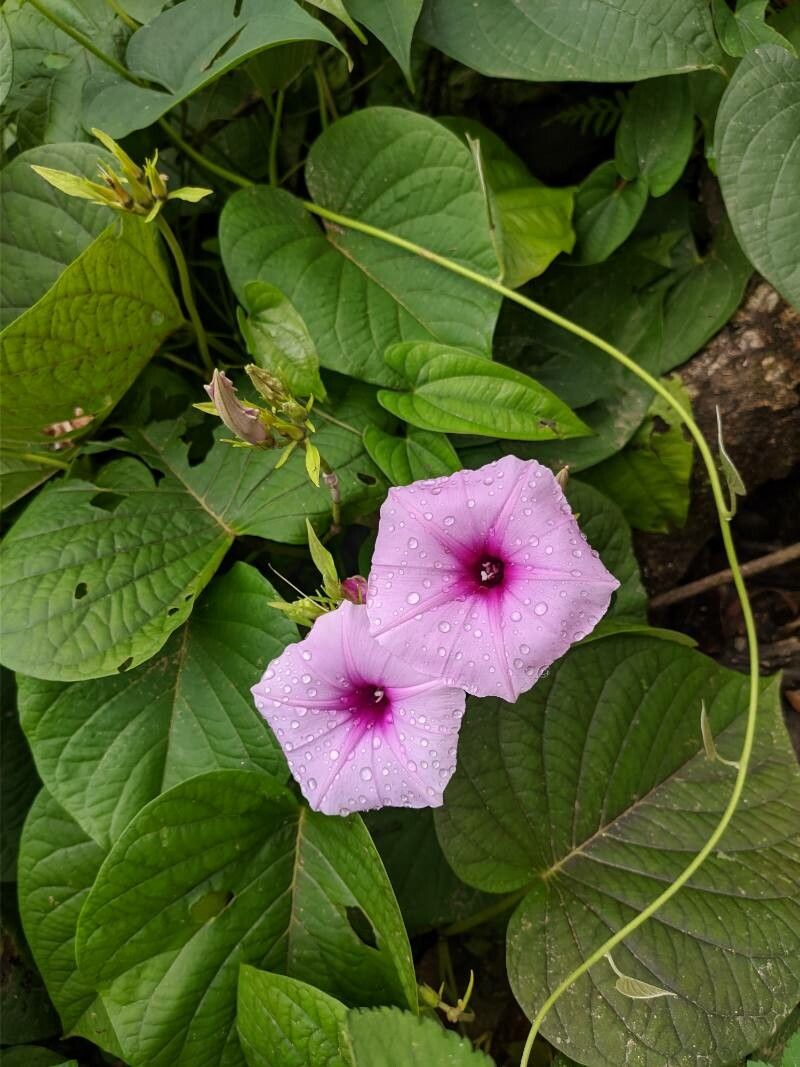
Oh, hello there! Grab a cup of your favorite brew, and let’s chat about a plant I absolutely adore: Argyreia hookeri. This one, with its gorgeous velvety leaves and often vibrant blooms, is a real stunner in any garden. And the best part? Propagating it yourself is incredibly rewarding. You get more of that beauty to share or to fill out your own space. If you’re a curious beginner, I’d say this isn’t the absolute easiest plant to start with, but with a little patience and these tips, you’ll be well on your way to success.
The Best Time to Start
When it comes to getting new Argyreia hookeri plants going, spring and early summer are your golden window. This is when the plant is actively growing, putting out fresh, tender new shoots. Those vigorous young stems have the best chance of rooting quickly and avoiding the slow-down that comes with cooler weather. Think of it as catching your plant at its most enthusiastic moment!
Supplies You’ll Need
Here’s what you’ll want to have on hand before you get started. Don’t worry, it’s not too much!
- Clean, sharp pruning shears or a sharp knife: Essential for making clean cuts to prevent damage.
- Rooting hormone (optional, but recommended): This can give your cuttings a significant boost. Look for a powder or gel formula.
- Well-draining potting mix: A good blend is key. I often use a mix of equal parts peat moss or coco coir, perlite, and a little bit of coarse sand.
- Small pots or trays: Nothing too big; about 4-6 inch pots are perfect for starting. Make sure they have drainage holes!
- Plastic bag or humidity dome: To create a mini greenhouse effect.
- Labeling stakes and a pen: So you remember what you planted where!
Propagation Methods
Let’s get our hands dirty! I find the most reliable way to propagate Argyreia hookeri is through stem cuttings.
- Select Your Cuttings: Look for healthy, non-flowering stems that are about 4-6 inches long. You want them to be slightly woody but still flexible – not brittle and old, but not so soft they flop over.
- Take the Cutting: Using your clean shears, make a cut just below a leaf node. This is the little bump where a leaf attaches to the stem, and it’s where roots love to emerge. Aim to take several cuttings; not every one is guaranteed to root.
- Prepare the Cutting: Gently remove the lower leaves from the bottom half of the cutting. This prevents them from rotting when buried in the soil. Leave just a couple of leaves at the top. If the top leaves are very large, you can even cut them in half to reduce water loss through transpiration.
- Apply Rooting Hormone (Optional): Dip the cut end of the stem into your rooting hormone. Tap off any excess.
- Potting Up: Fill your small pots with your well-draining potting mix. Make a small hole in the center with your finger or a pencil.
- Insert the Cutting: Gently place the cut end of the Argyreia hookeri stem into the hole in the soil. Firm the soil gently around the base of the cutting to ensure good contact.
- Water and Cover: Water the soil thoroughly until you see water draining from the bottom of the pot. Then, place the pot inside a plastic bag or cover it with a humidity dome. This will trap moisture and create a humid environment, which is crucial for successful rooting. Ensure the leaves don’t touch the plastic bag if possible; you can use stakes to prop it up.
Leave your pots in a bright spot, but out of direct, harsh sunlight.
The “Secret Sauce” (Pro Tips)
Here are a few things I’ve learned over the years that really make a difference:
- Bottom Heat is Your Friend: If you can, placing your pots on a heat mat designed for seedlings can dramatically speed up root development. It mimics the warm soil of springtime and gives those roots a cozy place to grow.
- Don’t Drown Them: While humidity is key, overwatering is the quickest way to kill a cutting. The soil should be consistently moist, but not soggy. Let the very top layer dry out slightly between waterings.
- The Sniff Test: Once you think your cuttings might be rooted (usually after a few weeks), gently tug on one. If it feels like there’s resistance, congratulations! If it comes out easily, it hasn’t rooted yet. You can also give it a gentle sniff. If it smells fresh and earthy, it’s likely happy. If it smells sour or musty, rot may have set in.
Aftercare & Troubleshooting
Once you see new leaf growth appearing on your cutting, that’s a fantastic sign that roots have formed! At this point, you can gradually remove the plastic bag or humidity dome over a few days to help your new plant acclimate to normal humidity levels. Continue to water regularly, keeping the soil evenly moist.
The most common problem you’ll encounter is rot. If your cutting turns mushy, black, or smells foul, it’s likely rotted. This is often due to overwatering or poor drainage. If you see rot on just a small section, you can try to cut away the affected part with a clean knife and repot the healthy portion. If the whole cutting is affected, it’s best to discard it and start fresh, learning from what might have gone wrong. Also, pests like aphids can sometimes bother young cuttings, so keep an eye out and address them quickly if you see any.
A Little Encouragement
Propagating plants is a journey, and every gardener has their share of successes and failures. Be patient with your Argyreia hookeri cuttings. It might take a few weeks, or even a couple of months, for them to establish a good root system. Don’t get discouraged if a cutting doesn’t make it. Just keep trying, observe what’s happening, and enjoy the magical process of coaxing new life from a piece of your favorite plant. Happy gardening!
Resource:
https://identify.plantnet.org/k-world-flora/species/Argyreia%20hookeri%20C.B.Clarke/data