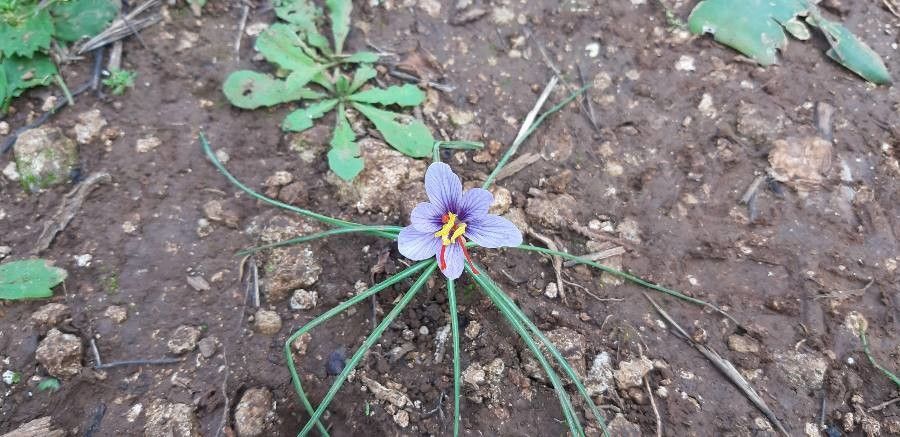
Oh, the charm of crocuses! I’ve always adored them. Those first bursts of color in the garden, often poking through the last bits of snow, feel like such a hopeful promise. And Crocus cartwrightianus? It’s a real beauty, with often delicate, intricate patterns on its petals.
If you’ve found yourself smitten with this little gem, you might be wondering how to get more of them. Propagating crocuses, especially this variety, isn’t as daunting as some might think. In fact, I’d say it’s quite accessible for most home gardeners, even if you’re just starting out. It’s wonderfully rewarding to see your own efforts bloom!
The Best Time to Start
Timing is everything with most plants, and crocuses are no exception. The absolute best time to propagate Crocus cartwrightianus is late summer or early fall. This is when the corms (think of them as underground bulbs) will have completed their growth cycle for the season and are getting ready for their winter dormancy. They’ve stored up all their energy, making them plump and ready for division or planting.
Supplies You’ll Need
Before we dive in, let’s gather our tools. Having everything ready makes the process so much smoother.
- Sharp trowel or garden spade: For carefully digging up the corms.
- Small, sharp knife or pruning shears: To divide the corms if necessary. Make sure they’re clean!
- Well-draining potting mix: A blend intended for bulbs or a general-purpose mix amended with perlite or sand works perfectly.
- New pots or containers: With drainage holes, of course.
- Labels or markers: To notate what you’ve planted and when.
- Gloves (optional): If you prefer to keep your hands clean.
Propagation Methods
For Crocus cartwrightianus, the primary and most successful method of propagation is through corm division. This is how nature expands its patch, and we’re just helping it along!
- Digging Up the Corms: In late summer or early fall, when the foliage has completely died back (this is crucial – the plant needs to send energy back to the corm), gently dig up your established crocus patch. Use your trowel to lift a generous clump, being careful not to damage the corms.
- Separating the Corms: Once you have them out of the ground, you’ll likely see the larger parent corm and several smaller “cormels” attached. These are baby corms! You can carefully break off the cormels, or if a larger corm looks like it has lobes, you can gently cut it into sections, ensuring each section has at least one good “eye” (a growth point). A clean cut is important to prevent disease.
- Drying and Curing (Optional but Recommended): Let the separated corms sit in a dry, airy place for a few days to a week. This helps any cuts heal and reduces the risk of rot when you replant.
- Planting Your New Corms: Fill your pots with your well-draining soil. Plant the corms about 3-4 inches deep, with the pointy end facing upwards. If you’re planting multiple corms in one pot, leave about 2-3 inches between them.
- Watering In: Water the soil gently but thoroughly after planting.
The “Secret Sauce” (Pro Tips)
Here are a few little tricks I’ve learned over the years that can really boost your success:
- Don’t Rush the Foliage: I can’t stress this enough. Let those green leaves fully yellow and die back naturally in spring. They are the plant’s food factory, gathering nutrients to pack into the corm for next year and for producing those little cormels. Cutting them too early is like taking away a baby’s dinner before it’s finished eating!
- Inspect for Disease: Before you replant, give your corms a quick look-over. Any that are soft, mushy, or have weird dark spots? It’s best to discard those. A healthy corm is firm and usually has a smooth, papery outer layer.
- Consider a Shallow Tray for Cormels: If you have a lot of tiny cormels, you can plant them in a shallow tray of potting mix rather than individual pots. They might take a year or two to mature enough to bloom, but it’s a great way to get a large number going.
Aftercare & Troubleshooting
Once your new Crocus cartwrightianus corms are planted, the waiting game begins. Water them gently if the soil starts to dry out, especially if you’re planting in early fall before a typical rainy period. You won’t see much happening above ground until spring.
Signs of Success: You’ll know they’re happy when you see those first delicate shoots emerge in late winter or early spring!
Common Issues: The most frequent problem is rot. This happens when corms are planted in soil that stays too wet, especially during their dormant period. Ensuring good drainage is the absolute best prevention. If you see a corm that’s turned to mush, it’s likely beyond saving. For any leaves that yellow quickly and unexpectedly (not after dying back naturally), it might indicate a watering issue or a soil-borne problem. Again, well-draining soil is your best friend here.
A Encouraging Closing
Propagating Crocus cartwrightianus is a journey, and like all good gardening adventures, it’s best approached with a little patience and a whole lot of enthusiasm. Watching those tiny cormels you planted sprout and eventually bloom is a deeply satisfying experience. Don’t be discouraged if a few don’t make it – that’s part of learning! Just enjoy the process and the delightful surprise of more of these lovely flowers gracing your garden. Happy planting!
Resource:
https://identify.plantnet.org/k-world-flora/species/Crocus%20cartwrightianus%20Herb./data