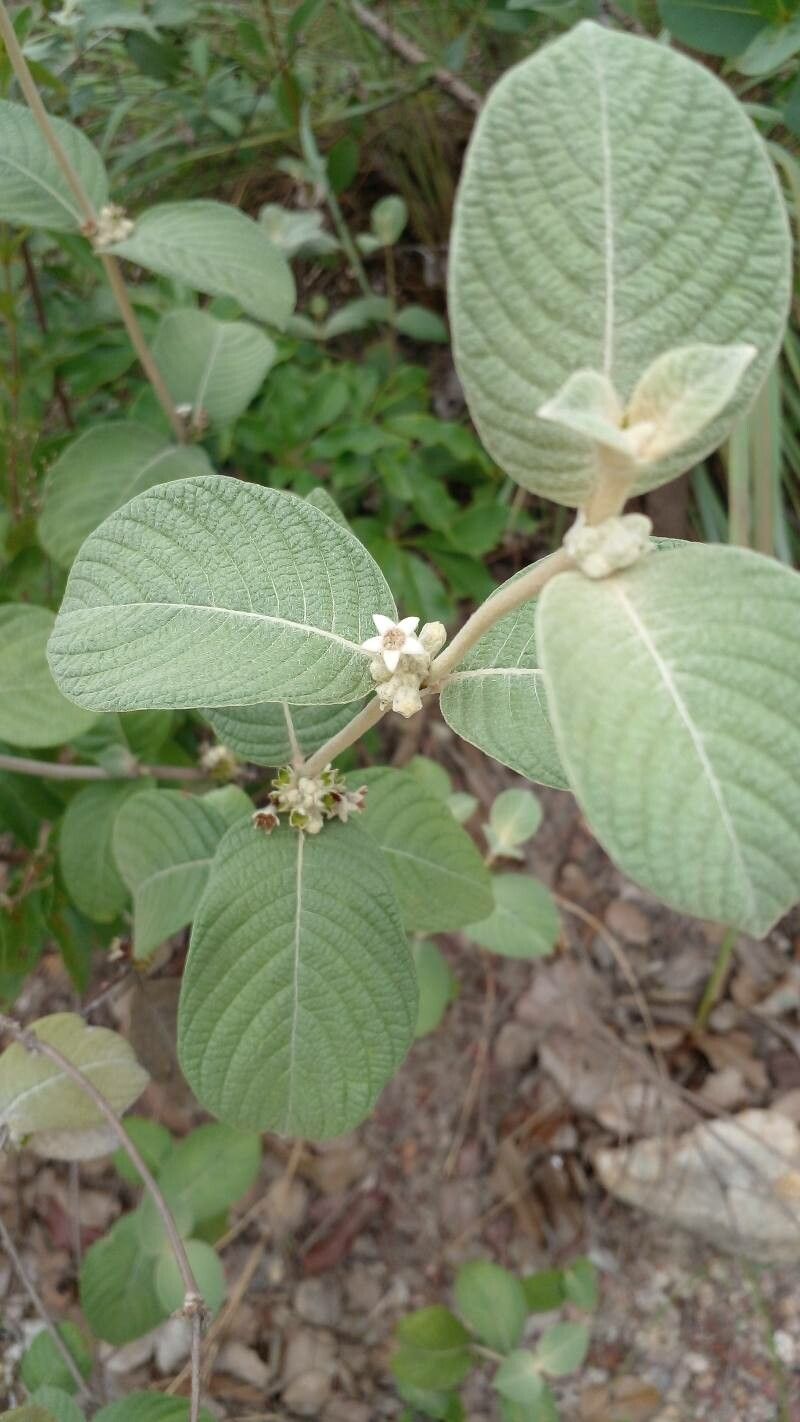
Hello, fellow plant lovers! Today, we’re diving into the wonderful world of Sabicea brasiliensis. This beauty, with its lush foliage and charming habit, is a real showstopper. I remember the first time I saw one cascading over a garden wall – I was smitten! The rewarding part? Growing your own from cuttings is surprisingly achievable, and it’s a fantastic way to share this tropical gem with friends. While it’s not the absolute easiest plant for a complete novice, with a little guidance, you’ll be creating new Sabiceas in no time.
The Best Time to Start
My go-to time for propagating Sabicea brasiliensis is during its active growing season. Think late spring through summer. When the plant is really putting on growth, its cuttings have a better chance of developing roots quickly. Avoid propagating when the plant is dormant or stressed, like during a cold snap. You want those healthy, vigorous shoots!
Supplies You’ll Need
Gathering your supplies beforehand makes the whole process smooth. Here’s what I always have on hand:
- Sharp pruning shears or a clean knife: For making clean cuts. Sterilize them between uses with rubbing alcohol.
- Well-draining potting mix: A blend of perlite, coco coir, and a bit of peat moss works wonderfully. You can also use a dedicated seed-starting or propagation mix.
- Small pots or seed trays: Clean ones, of course! Little 3-4 inch pots are perfect.
- Rooting hormone (optional but recommended): This can significantly speed up root development. Look for one containing indole-3-butyric acid (IBA).
- Plastic bags or a propagation dome: To create a humid environment for your cuttings.
- Watering can or spray bottle: For gentle watering.
- Labels and a marker: To keep track of what you’ve planted and when.
Propagation Methods
My favorite way to propagate Sabicea brasiliensis is through stem cuttings. It’s reliable and gives you the best chance of success.
Stem Cuttings
- Take Your Cuttings: Choose a healthy, non-flowering stem that is about 4-6 inches long. Make your cut just below a leaf node. A leaf node is where a leaf attaches to the stem; it’s where the magic happens for rooting.
- Prepare the Cutting: Gently remove the lower leaves from the cutting, leaving just a few at the top. If you’re using rooting hormone, dip the cut end into it, tapping off any excess.
- Plant the Cuttings: Fill your small pots with your prepared potting mix. Make a hole in the center of the soil with your finger or a pencil. Insert the cut end of the stem into the hole, burying at least one or two leaf nodes.
- Firm the Soil: Gently firm the soil around the cutting to ensure good contact.
- Water Gently: Water thoroughly but gently to settle the soil.
- Create Humidity: Cover the pot with a clear plastic bag, a plastic dome, or place it in a propagation tray. This creates a mini-greenhouse effect, keeping the leaves from drying out. Make sure the leaves aren’t touching the sides of the bag if possible. If you’re using a bag, you might want to prop it up with a couple of small sticks so it doesn’t collapse on the leaves.
The “Secret Sauce” (Pro Tips)
Here are a couple of things I’ve learned over the years that make a big difference:
- Bottom Heat is Your Friend: If you have access to a seedling heat mat, use it! Placing your pots on a gentle heat source (around 70-75°F or 21-24°C) can really speed up root formation. It mimics what happens in a warm, tropical environment.
- Don’t Drench, Mist: While you want the soil to be moist, you don’t want it to be waterlogged. Overwatering is a common killer of cuttings. I usually water once after planting, then rely on misting the leaves and the surface of the soil every few days, or whenever it feels dry to the touch. The humidity dome will help retain moisture too.
Aftercare & Troubleshooting
Once your cuttings have been planted, place them in a bright, indirect light location. Avoid direct sun, which can scorch them.
Signs of Success: You’ll know your cuttings are rooting when you see new leaf growth emerging from the top or, if you gently tug on the cutting, you feel a slight resistance. This usually takes 4-8 weeks. Once you see good roots, you can gradually remove the humidity cover, allowing the new plant to acclimate to normal humidity levels. Then, you can transplant it into a slightly larger pot as needed.
Troubleshooting: The most common issue you’ll encounter is rot. If a cutting turns black and mushy, it’s likely rotted. This is usually due to overwatering and poor air circulation. If you see this, remove the affected cutting immediately and check the moisture levels of your other cuttings. Another sign of trouble is wilting leaves that don’t perk up after a misting – this can also indicate a lack of roots or rot. Don’t get discouraged if a few don’t make it; it happens to the best of us!
A Encouraging Closing
Watching a new plant unfurl its first leaves from a tiny cutting is a truly magical experience. Be patient with your Sabicea brasiliensis cuttings. Nature works on its own schedule. Enjoy the process, celebrate each little success, and soon you’ll have a beautiful little plant to call your own. Happy propagating!
Resource:
https://identify.plantnet.org/k-world-flora/species/Sabicea%20brasiliensis%20Wernham/data