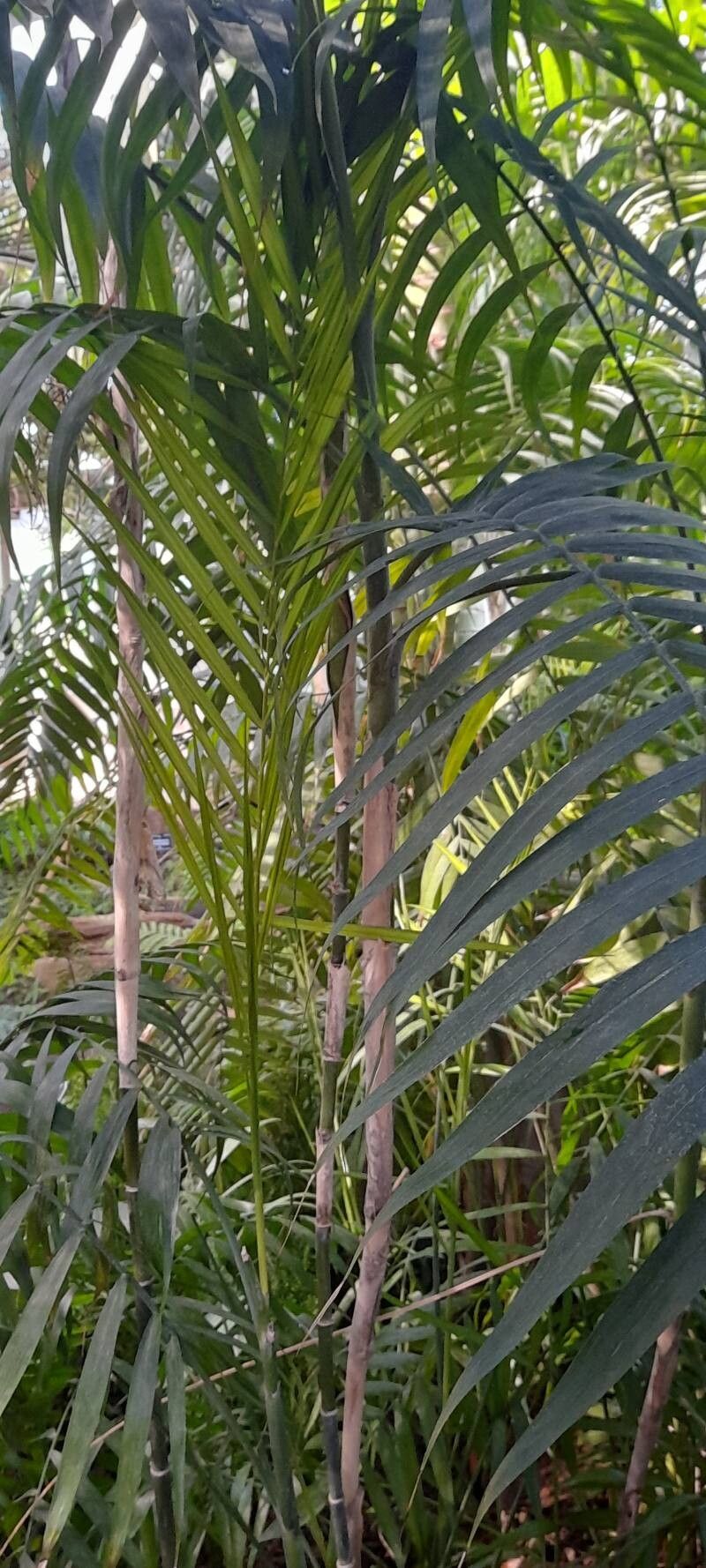
Hello fellow plant lovers!
Today, we’re diving into the delightful world of propagating Chamaedorea pochutlensis, also known as the elegant Pochutla Palm. I’ve had the joy of nurturing these beauties for years, and trust me, there’s a special kind of satisfaction in watching a tiny new palm unfurl its fronds, knowing you helped it along.
These palms are simply enchanting. With their graceful, arching fronds and slender stems, they bring a touch of lush, tropical tranquility to any indoor space. And the best part? Propagation isn’t as daunting as it might seem. While it requires a bit of patience, I find Chamaedorea pochutlensis to be a pretty rewarding plant to propagate, even for those just starting their plant parent journey.
The Best Time to Start
My personal favorite time to get propagating is in the late spring or early summer. The days are getting longer, and your plants are usually bursting with energy and ready to grow. This natural surge in growth provides the ideal conditions for cuttings to root and establish themselves. You’re essentially working with the plant’s natural rhythm, which always leads to better success.
Supplies You’ll Need
Before we get our hands dirty, let’s gather our tools. Having everything ready will make the process so much smoother:
- Sharp Pruning Shears or a Clean Knife: For making clean cuts.
- Well-Draining Potting Mix: I like a blend of peat moss, perlite, and a bit of orchid bark for excellent aeration. For palms, this is crucial!
- Small Pots or Propagation Trays: Enough for your cuttings.
- Rooting Hormone (Optional but Recommended): A powder or gel can give your cuttings a helpful boost.
- Clear Plastic Bag or Dome: To create a humid microclimate.
- Spray Bottle with Water: To mist your cuttings.
- Small Trowel or Dibber: For making holes in the soil.
Propagation Methods
For Chamaedorea pochutlensis, division is hands down the most successful and straightforward method I’ve found. These palms naturally form clumps of stems from their base, making them perfect candidates for this technique.
Propagating by Division:
- Assess Your Plant: Look for a mature Chamaedorea pochutlensis that has visibly multiple stems growing from the base. You want a healthy, vigorous plant to start with.
- Gently Remove from Pot: Carefully take the palm out of its current pot. It’s easiest if the soil is slightly moist, not bone dry or soaking wet.
- Examine the Root Ball: Gently tease apart the soil from the roots. You’re looking for natural divisions – areas where stems have their own distinct set of roots.
- Make Your Cut/Separation: Using your clean shears or knife, carefully separate a clump that has a good amount of its own roots attached. You don’t want to just pull stems away; you need roots to survive! If necessary, you can cut through thicker roots, but try to preserve as many as possible.
- Pot Up Your New Divisions: Prepare your new pots with your well-draining mix. Make a small hole with your trowel and gently place the divided clump into the soil, ensuring the roots are spread out.
- Water Thoroughly: Water each newly potted division until water runs out of the drainage holes. This helps settle the soil around the roots.
- Provide Humidity: Place a clear plastic bag over the pot (propping it up with stakes so it doesn’t touch the leaves) or use a propagation dome. This creates a humid environment that helps the division recover from the shock.
The “Secret Sauce” (Pro Tips)
After years of tinkering, I’ve picked up a few tricks that really seem to make a difference:
- Don’t Overcrowd Divisions: When you’re separating a clump, resist the urge to take too many small bits. Focus on getting well-rooted, substantial sections. A larger section with a good root system has a much better chance of survival.
- Mimic the Tropics: Palms absolutely adore humidity. After potting up your divisions, keep them in a warm and consistently humid location. A bathroom or kitchen near a lightly misted window is often ideal, especially without a greenhouse.
- Patience is a Virtue (Truly!): New growth might not appear for several weeks, or even a couple of months. Don’t panic and overwater! Trust that the roots are working underground. Check the soil moisture regularly, but only water when the top inch feels dry.
Aftercare & Troubleshooting
Once your divisions have settled in and you start seeing new growth, congratulations! Continue to water when the top inch of soil is dry. Keep them in bright, indirect light – direct sun can be too harsh for baby palms.
The most common issue you might encounter is rot. This is usually a sign of overwatering or poor drainage. If you notice yellowing leaves that progress to mushy stems, it’s likely rot. In this case, you’ll need to remove the affected parts immediately and ensure your soil is drying out properly between waterings. If the rot is extensive, sadly, the cutting may not be salvageable. It happens, and we learn from it!
A Little Encouragement
Propagating plants, especially something as lovely as Chamaedorea pochutlensis, is a wonderful journey. It’s about connection, patience, and a bit of horticultural detective work. Don’t be discouraged if your first attempt isn’t perfect. Every plant is a new lesson, and the reward of seeing your own little palms thrive is truly worth it. Happy growing!
Resource:
https://identify.plantnet.org/k-world-flora/species/Chamaedorea%20pochutlensis%20Liebm./data