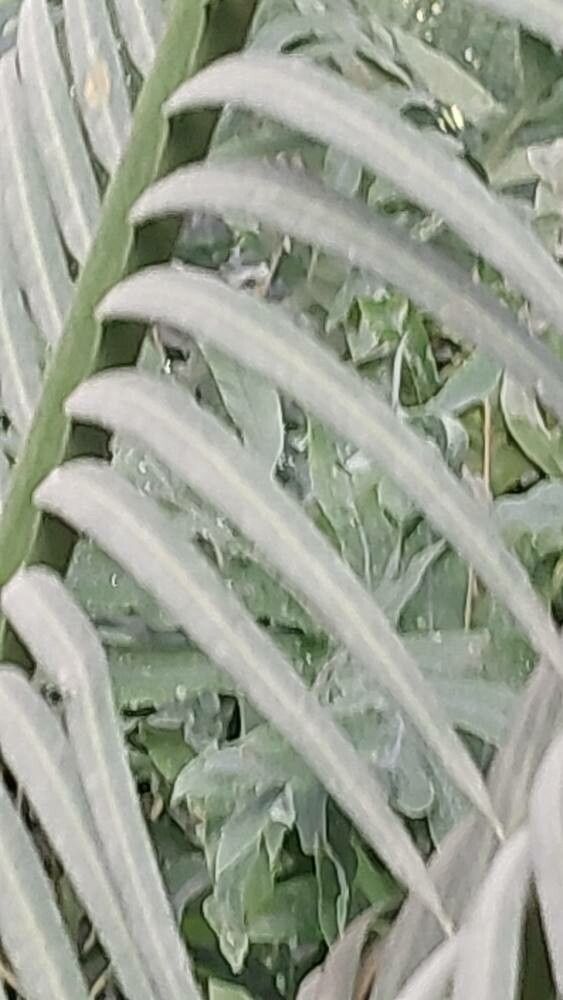
Hey there, fellow plant lovers! Today, we’re diving into the fascinating world of Cycas guizhouensis, also known as the Guizhou Cycad. I’ve been nurturing these beauties for two decades, and let me tell you, there’s something incredibly satisfying about coaxing a new plant to life from a parent specimen. Their prehistoric charm, with those stiff, emerald fronds emerging from a stout trunk, is just captivating.
Now, if you’re thinking about propagating Cycas guizhouensis, I want to be upfront: it’s not the most beginner-friendly plant to propagate. It can be a bit of a slow burn, but with a little patience and the right approach, it’s absolutely achievable, and the rewards are immense. Watching a tiny pup unfurl its first leaves is pure garden magic.
The Best Time to Start
When it comes to coaxing new life from your cycad, timing is pretty crucial. The absolute best time to try propagating your Cycas guizhouensis is during its active growing season. For most of us, that means late spring through early summer. You’ll see this growth spurt marked by new fronds emerging from the crown. This is when the plant is full of energy and has the best chance of success. Starting outside of this period can significantly reduce your chances.
Supplies You’ll Need
Gathering your tools beforehand makes the whole process much smoother. Here’s what I always have on hand:
- Sharp, clean pruning shears or a saw: For making clean cuts. Sterilize them with rubbing alcohol to prevent disease.
- Rooting hormone powder: Look for one specifically for woody plants.
- Well-draining potting mix: I like a blend of equal parts potting soil, perlite, and coarse sand. This ensures good aeration.
- Small pots or containers: Terracotta pots are great as they allow the soil to breathe.
- Gravel or small stones: For the bottom of the pots to improve drainage.
- Plastic bags or a propagator lid: To create a humid environment.
- Gloves: To protect your hands.
- Watering can with a fine rose: For gentle watering.
Propagation Methods
Cycas guizhouensis primarily propagates through offsets, also called pups. These are miniature versions of the mother plant that grow from the base of the trunk. This method is generally considered the most successful for this particular cycad.
Method: Division of Offsets
- Gentle Separation: Wait until your cycad has produced a healthy offset that is at least a few inches tall and has its own small leaves. Carefully brush away the soil at the base of the mother plant to expose where the pup is attached.
- Make the Cut: With your sterilized pruning shears or a sharp knife, carefully cut the offset away from the mother plant. Try to get as much of its own root system as possible, but don’t worry too much if it’s minimal. The goal is a clean separation.
- Allow to Callus: This is a CRITICAL step. Place the separated offset in a dry, shaded spot for at least a week, or even two. This allows the cut surface to dry out and form a callus. This callus acts like a protective scab and prevents rot when you plant it.
- Planting Time: Once callused, gently dip the cut end into rooting hormone powder. Tap off any excess.
- Potting Up: Fill your small pot with your well-draining potting mix. Make a small hole in the center and plant your offset, ensuring the base is firmly in the soil. The goal is for the lowest leaves to be above the soil line, not buried.
- Initial Watering: Water very lightly, just enough to settle the soil. Do NOT drench it.
- Create Humidity: Place the potted offset into a plastic bag or cover it with a propagator lid. This will maintain high humidity, which is essential for root development. Make sure the leaves of the cycad don’t touch the sides of the bag or lid if possible, as this can encourage rot.
The “Secret Sauce” (Pro Tips)
Over the years, I’ve learned a few tricks that can make a big difference.
- Think “Dry Feet”: Cycads absolutely hate sitting in soggy soil. Even after planting, be very conservative with watering. It’s far better to underwater a new offset than to overwater it.
- Heated Bottom is Your Friend: If you can, place your potted offset on a gentle heat mat. This warmth encourages root growth from below, significantly speeding up the process. It mimics the warmth of the soil during the growing season.
- Patience is Paramount: I can’t stress this enough. These plants are slow growers. Don’t panic if you don’t see new growth in a few weeks. It can take several months for a new offset to establish a robust root system and start pushing out new leaves. Resist the urge to dig it up and check for roots.
Aftercare & Troubleshooting
Once you start seeing signs of new growth – a tiny unfurling frond from the center – that’s your cue! At this point, you can gradually acclimate your new cycad to less humid conditions. Slowly open the plastic bag a little each day over a week or two.
Continue to water sparingly, allowing the soil to dry out between waterings. As the plant gets established, you can move it to a brighter location, but avoid harsh direct sunlight immediately. Protect it from strong winds.
Now, about troubleshooting. The biggest enemy of new cycad offsets is rot. If you notice the base of the plant turning mushy or if the stem looks dark and discolored, that’s usually a sign of too much moisture. Unfortunately, once rot sets in, it’s very difficult to save. Early detection is key – ensure excellent drainage and be mindful of your watering habits. If you’re unsure, wait to water.
A Little Encouraging Word
Propagating plants, especially slower-growing ones like Cycas guizhouensis, is a journey. It requires a bit of faith and a lot of patience. Don’t be discouraged if your first attempt doesn’t yield results. Learn from it, adjust your approach, and try again. Each plant is a learning experience, and the joy of successfully growing a new cycad from your own collection is truly a reward like no other. Happy propagating!
Resource: