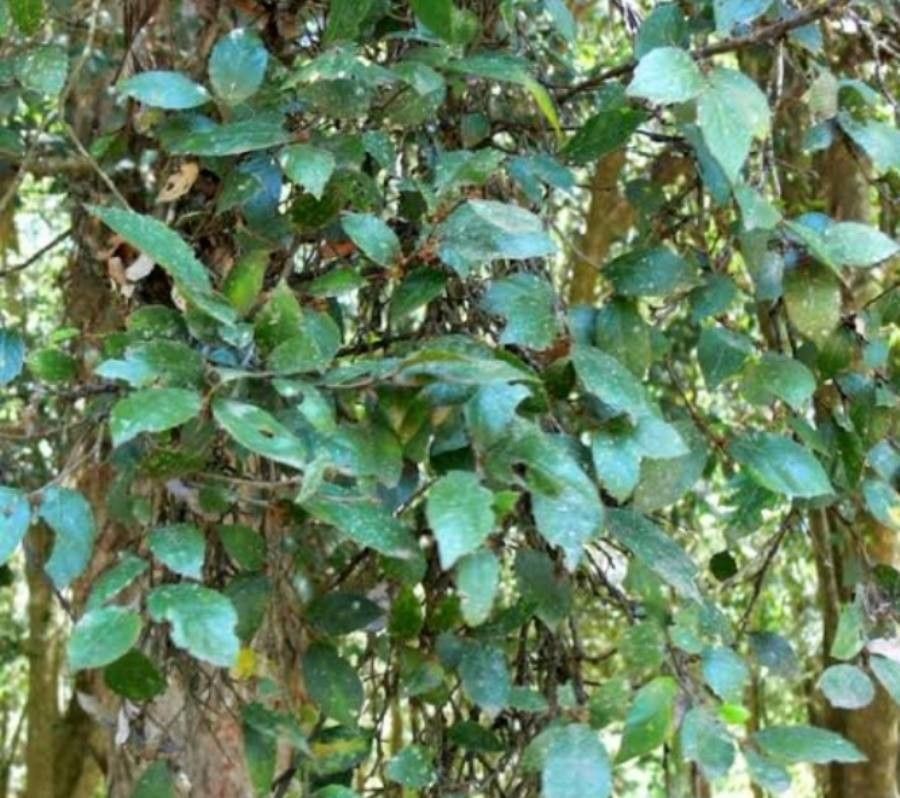
Hello, fellow plant lovers! Today, we’re diving into the wonderful world of propagating Aphananthe philippinensis, often known as the Philippine Hackberry. If you’re looking for a unique addition to your garden, perhaps a beautiful specimen tree with a lovely, dense canopy perfect for shade or even bonsai, you’ve picked a winner. There’s something truly special about multiplying your favorite plants. It’s not just about having more; it’s about understanding them, learning their rhythms, and sharing that green magic with others.
Now, is this plant a walk in the park for newcomers? I’d say it’s a moderately easy plant to propagate. You’ll need a little patience and attention to detail, but the rewards are well worth it. Seeing those tiny roots emerge is a thrill every single time!
The Best Time to Start
For the highest success rates with Aphananthe philippinensis, I find the late spring to early summer is your sweet spot. This is when the plant is vigorously growing, or in its active growth phase. The stems are nice and flexible, and the plant has plenty of energy to put into root development. Waiting until after the initial flush of spring growth has hardened off a little is key.
Supplies You’ll Need
Gathering your supplies beforehand makes the whole process much smoother. Here’s what I like to have on hand:
- Sharp, clean pruning shears or a sharp knife: Essential for making clean cuts.
- Rooting hormone powder or gel: While not strictly mandatory for Aphananthe, it can significantly boost your success rate, especially for stem cuttings.
- Well-draining potting mix: I usually use a blend of peat moss, perlite, and a bit of coarse sand. You can also find commercially available seed-starting mixes that work well.
- Small pots or propagation trays: Clean ones, of course! Small terracotta pots are great as they breathe.
- Plastic bags or a propagation dome: To maintain humidity around your cuttings.
- Watering can with a fine rose or a spray bottle: For gentle watering.
- Optional: Heat mat: For bottom warmth, which can really speed up root formation.
Propagation Methods
Let’s get our hands dirty! We’ll focus on the most reliable methods for Aphananthe philippinensis.
Stem Cuttings
This is hands-down my favorite and most successful method for this plant.
- Select healthy stems: Look for young, semi-hardwood stems that are not too green and floppy, but also not fully woody. They should snap cleanly when bent, rather than just bending. Aim for stems that are about 4-6 inches long.
- Make your cut: Using your sharp shears, make a clean cut just below a leaf node. A leaf node is where a leaf or bud emerges from the stem. This is where roots are most likely to form.
- Prepare the cutting: Gently remove the lower leaves from the cutting, leaving only a few at the top. If the remaining leaves are very large, you can even cut them in half to reduce water loss.
- Apply rooting hormone (optional but recommended): Dip the cut end of the stem into your rooting hormone. Tap off any excess.
- Insert into soil: Make a hole in your potting mix with a pencil or your finger. Carefully insert the cutting, ensuring the leaf nodes you removed are below the soil surface. Gently firm the soil around the stem.
- Water and cover: Water the soil thoroughly until it’s moist but not waterlogged. Cover the pot with a clear plastic bag or place it under a propagation dome to create a humid environment. Poke a few holes in the bag if it’s looking very steamy.
Water Propagation (Less Common for this Plant, but Possible)
While I find stem cuttings in soil more reliable for Aphananthe, you can try water propagation.
- Prepare cuttings: Follow steps 1 and 2 above for selecting and cutting stems.
- Remove lower leaves: Make sure no leaves will be submerged in the water.
- Place in water: Put the cuttings in a clean jar or glass of water. Make sure only the leafless portion of the stem is in the water.
- Change water regularly: Change the water every few days to keep it fresh and prevent rot.
- Patience: You’ll need to wait for visible roots to form, which can take several weeks. Once you have good root growth (about an inch or two long), you can then carefully transplant them into well-draining soil.
The “Secret Sauce” (Pro Tips)
There are a few little tricks that can really make a difference.
- Bottom Heat is Your Friend: If you have a heat mat, this is the perfect time to use it! Placing your pots on a gentle heat mat (around 70-75°F or 21-24°C) encourages root development from below, mimicking ideal soil temperatures. It’s like giving your cuttings a warm hug for their roots.
- Don’t Mist Constantly (Unless You Have Good Airflow): While humidity is crucial, constantly misting the leaves can sometimes encourage fungal diseases, especially if air circulation is poor. A covered environment (like the plastic bag or dome) is usually enough. If you do mist, ensure good airflow afterward.
- Shadowy Sanctuary: Once your cuttings are planted, keep them in a bright spot but out of direct, harsh sunlight. Too much sun can scorch those delicate cuttings and dry them out too quickly. A bright windowsill with filtered light is usually ideal.
Aftercare & Troubleshooting
Once those roots start to form – and I highly recommend gently tugging on a cutting after a few weeks. If you feel resistance, congratulations, you have roots! – it’s time for the next stage.
- Transplanting: Once your cuttings have a decent root system, you can carefully transplant them into individual pots with your well-draining potting mix.
- Gradual Acclimation: If you’ve been using a propagation dome or plastic bag, gradually acclimate your new plants to lower humidity by opening the cover for longer periods over a week.
- Watering: Water them as you would any other young, potted plant – keep the soil consistently moist but never soggy. As they grow, you can begin to treat them more like mature plants.
Now, what if things aren’t going as planned? The most common issue I see is rot. If your cutting turns black and mushy at the base, it’s often a sign of overwatering and poor drainage. Ensure your potting mix is airy and that the pot has drainage holes. Another sign of failure is if the cutting simply shrivels up and dies; this usually indicates it dried out too much or lacked sufficient humidity. Don’t beat yourself up if a few don’t make it – it happens to all of us!
A Little Patience Goes a Long Way
Propagating plants, like nurturing any living thing, is a journey. There will be successes and perhaps a few learning experiences along the way. My biggest piece of advice is to be patient. Take joy in the process, observe your cuttings closely, and celebrate every tiny triumph. Before you know it, you’ll have a whole new troop of Philippine Hackberries to enjoy in your garden! Happy growing!
Resource:
https://identify.plantnet.org/k-world-flora/species/Aphananthe%20philippinensis%20Planch./data