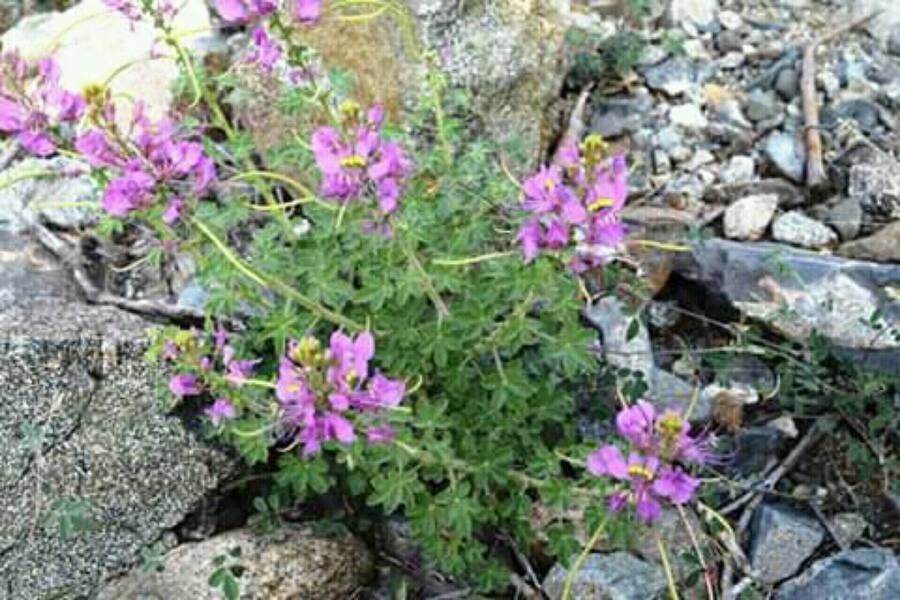
Oh, hello there! So you’ve fallen under the spell of the Cleome, have you? I don’t blame you one bit. Those tall, wispy stems adorned with spidery blooms are just pure magic in the garden. They bring such an airy, ethereal quality, don’t you think? If you’re looking to multiply that magic and share it with friends (or just fill every sunny corner of your own yard), propagating Cleome hanburyana is a absolutely delightful endeavor. And guess what? It’s surprisingly beginner-friendly. You’ll be surprised how easy it is to grow these beauties from scratch!
The Best Time to Start
For Cleome, the sweet spot for propagation is late spring to early summer. Think of it as when the plant is really hitting its stride, putting on vigorous new growth. This active growth phase means the cuttings have a better chance of survival and rooting. You can also take cuttings later in the summer, but you might find they take a little longer to establish before the cooler weather arrives.
Supplies You’ll Need
Here’s a little kit to have on hand before you dive in:
- Sharp pruning shears or a clean, sharp knife: Essential for taking clean cuts.
- Rooting hormone powder or gel (optional but recommended): This can give your cuttings a helpful boost.
- Seed starting mix or a well-draining potting mix: Something light and airy is best. A good blend of peat moss or coco coir with perlite or vermiculite works wonders.
- Small pots or seed trays with drainage holes: You’ll want to give those new roots a place to breathe.
- Plastic bags or a clear plastic dome: To create a humid environment for your cuttings.
- Watering can with a fine rose or a spray bottle: For gentle watering.
- Saucers for your pots: To catch excess water.
Propagation Methods
While Cleome seeds are often sown directly in the garden, propagating from stem cuttings is a fantastic way to get a head start and sure up reliable results. It’s my preferred method for a few reasons, and it’s quite straightforward.
- Choose Your Cuttings: Look for healthy, non-flowering stems on your mature Cleome. You want young, flexible growth, not woody old stems. Aim for cuttings about 4-6 inches long.
- Make the Cut: Using your sharp shears or knife, make a clean cut just below a leaf node. A leaf node is where a leaf attaches to the stem; this is where root-forming cells are concentrated.
- Prepare the Cutting: Gently remove the lower leaves from the cutting, leaving just a couple of sets of leaves at the top. This prevents them from rotting when you insert the cutting into the soil.
- Apply Rooting Hormone (Optional): If you’re using rooting hormone, lightly dip the cut end of the stem into the powder or gel. Tap off any excess.
- Plant Your Cuttings: Moisten your seed starting mix. Make a small hole in the soil with your finger or a pencil, and carefully insert the cutting, ensuring the leaf nodes are below the soil surface. Gently firm the soil around the stem.
- Create a Humid Environment: Water the soil lightly. Then, cover the pot with a clear plastic bag (making sure the leaves don’t touch the sides if possible) or use a propagator lid. This traps moisture and mimics the humid conditions cuttings need.
- Placement: Place your pots in a bright location, but out of direct, scorching sunlight. A bright windowsill is usually perfect.
The “Secret Sauce” (Pro Tips)
Here are a couple of things I’ve learned over the years that really make a difference:
- Bottom Heat is Your Friend: If you have a heated propagator or can place your pots on a heat mat, do it! Cleome roots develop much faster when the soil is kept consistently warm, around 70-75°F (21-24°C). It’s like giving them a warm hug to encourage root growth.
- Don’t Overwater After Planting: Once you’ve watered them in, resist the urge to drench them daily. The plastic bag will keep the humidity high. You just want the soil to stay consistently moist, not waterlogged. Waterlogged soil is a fast track to rot.
Aftercare & Troubleshooting
Once you start to see those tiny roots peeking out from the drainage holes (which can take anywhere from 2 to 6 weeks), it’s time for them to breathe a little more. Gradually remove the plastic cover over a few days to acclimate them to the regular garden humidity. Continue to keep the soil consistently moist.
The most common issue you might encounter is rot. If your cutting turns black and mushy, or if the leaves start to droop and yellow rapidly without any sign of rooting, it’s usually a sign of too much moisture and not enough air circulation. For this reason, I always start with a few more cuttings than I think I need! If you do get rot, sadly, that cutting is usually a goner, but don’t get discouraged. Learn from it and try again with better drainage or less frequent watering.
A Encouraging Closing
Watching a tiny stem transform into a thriving plant is an incredibly rewarding experience. Be patient with your Cleome cuttings; they’re working their magic underground. The joy of seeing your own little Cleome family emerge is well worth the wait. Happy propagating!
Resource:
https://identify.plantnet.org/k-world-flora/species/Cleome%20hanburyana%20Penz./data