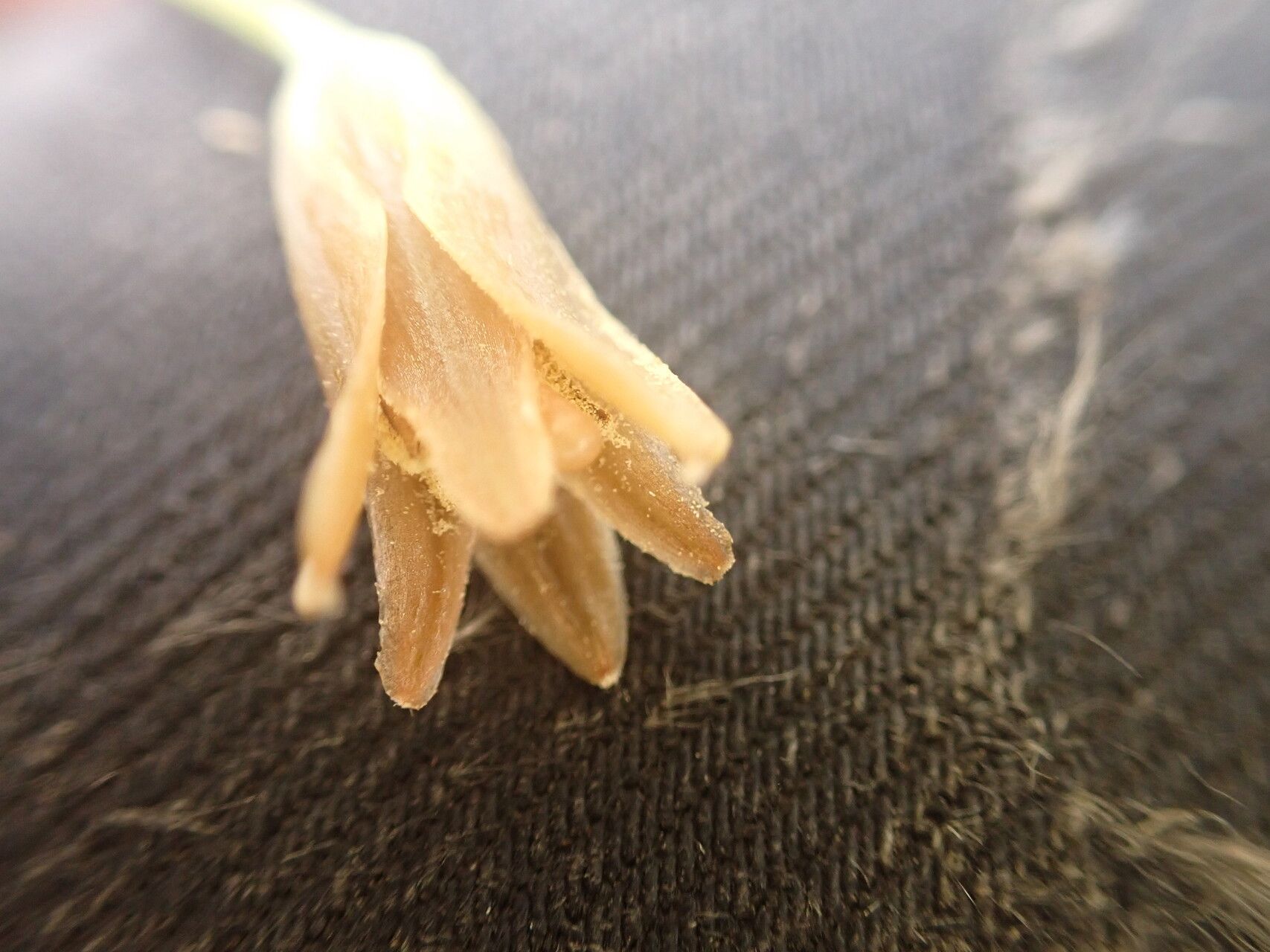
Oh, Drimia indica! Isn’t it just a fascinating plant? With those lovely, often arching leaves and the promise of elegant flower spikes, it’s a real standout in any collection. And the best part? Being able to multiply that beauty yourself! For me, propagation is always a little thrill, watching a tiny piece of a plant transform into something entirely new. If you’re wondering if Drimia indica is a tough one for beginners, I’d say it’s moderately easy. It’s not quite as forgiving as a pothos, but with a little care and attention, you’ll be rewarded.
The Best Time to Start
Timing is everything, as they say! For Drimia indica, the absolute best time to embark on propagation is during its active growing season. This typically falls in the late spring and summer months. You’ll see the most vigorous growth then, and the plant will have the energy reserves it needs to produce healthy roots. Trying to propagate when it’s dormant or just coming out of dormancy can be a bit more of a gamble.
Supplies You’ll Need
Gathering your tools beforehand makes the whole process so much smoother. Here’s what I always have on hand:
- Sharp pruning shears or a clean knife: For making clean cuts to prevent disease. Sterilize them with rubbing alcohol between uses!
- Well-draining potting mix: I like to use a cactus or succulent mix, or create my own by combining equal parts potting soil, perlite, and coarse sand.
- Small pots or trays: Clean ones, of course. Terra cotta pots are great because they allow the soil to dry out quicker.
- Rooting hormone (optional but helpful): A powder or gel can significantly speed up root formation.
- Watering can with a fine rose or a spray bottle: For gentle watering.
- Labels and a pen: Trust me, you’ll thank yourself later when you have multiple babies!
Propagation Methods
Drimia indica can be propagated through a couple of methods, but my go-to is division.
1. Division (My Favorite!)
This is how I primarily increase my Drimia indica collection. It’s essentially separating the offsets that naturally form around the base of the parent plant.
- Prep the Mother Plant: Gently unpot your Drimia indica. You want to be careful not to damage the main bulb or its roots.
- Locate the Offsets: Look for smaller bulbs or pups growing attached to the main bulb. They often have their own tiny roots already.
- Carefully Separate: This is where your sharp tool comes in. Use your clean knife or shears to carefully cut or twist the offsets away from the parent bulb. Make sure each offset has at least one or two roots attached. If an offset has no roots yet, don’t worry too much, it will still likely grow them.
- Let Them Dry (Optional but Recommended): For a day or two, let the cut surfaces of both the parent and the offsets air dry slightly in a shaded spot. This helps any cuts to callus over, reducing the risk of rot.
- Pot Them Up: Plant each offset in its own small pot filled with your well-draining mix. Bury the bulb just deep enough so it’s stable.
- Water Sparingly: Water them in lightly, just enough to settle the soil. Then, let the soil dry out significantly between waterings.
2. Leaf Cuttings (More Challenging)
While not as common or as reliable as division for Drimia indica, you can sometimes get them to propagate from leaf cuttings, though it’s a slower process.
- Take a Healthy Leaf: Choose a healthy, mature leaf from your Drimia indica. With a clean, sharp knife, cut it off at the base, right where it meets the bulb.
- Allow to Callus: Just like with offsets, let the cut end of the leaf dry and callus over for a day or two in a shaded, dry location.
- Plant the Leaf: Dip the callused end lightly into rooting hormone if you’re using it. Then, insert the cut end about an inch deep into your prepared, well-draining potting mix. You can also lay the leaf cutting on its side on the soil surface, with the cut end just barely covered.
- Keep it Moist (but not wet): Mist the soil surface regularly to keep it lightly moist. You can even cover the pot loosely with a plastic bag to create a mini-greenhouse effect, but ensure there’s some airflow.
The “Secret Sauce” (Pro Tips)
Here are a couple of things I’ve learned over the years that make a real difference:
- Don’t Overwater! This is the biggest killer of new propagations, especially with bulbous plants like Drimia indica. They are prone to rot if their roots sit in soggy soil. Err on the side of underwatering until you see signs of established growth.
- Bottom Heat is Your Friend: If you can spare it, placing your pots on a propagator mat or a warm windowsill can offer a gentle warmth that encourages root development. This is especially helpful for leaf cuttings. It mimics the natural warmth of summer soil.
Aftercare & Troubleshooting
Once your Drimia indica offsets are potted, the real waiting game begins.
- Watering: Water very sparingly at first. Wait until the soil is quite dry before giving them a light drink. As they establish, you can gradually increase watering frequency, but always ensure good drainage.
- Light: Place them in a bright spot that receives indirect sunlight. Direct sun can scorch delicate new growth.
- Signs of Success: You’ll know your propagation is taking hold when you see new leaf growth emerging or feel gentle resistance when you lightly tug on the plant. Roots usually start to form within a few weeks to a couple of months.
- Troubleshooting: The Dreaded Rot: The most common sign of failure is mushy, black stems or bulbs, often accompanied by a foul smell. This is rot, usually caused by overwatering or poor drainage. If you spot this, sadly, the cutting or offset is likely beyond saving. Remove it immediately and check your watering practices for any other propagations. Sometimes, if rot is caught very early, you can cut away the affected part and try to regrow, but it’s a long shot.
A Little Patience Goes a Long Way
Propagating Drimia indica is such a rewarding journey. It takes a bit of patience, a keen eye, and a gentle hand. Don’t be discouraged if your first attempt isn’t a roaring success. Every gardener has had their share of failures! Just keep practicing, observe your plants, and enjoy the process of nurturing new life. Happy propagating!
Resource:
https://identify.plantnet.org/k-world-flora/species/Drimia%20indica%20(Roxb.)%20Jessop/data