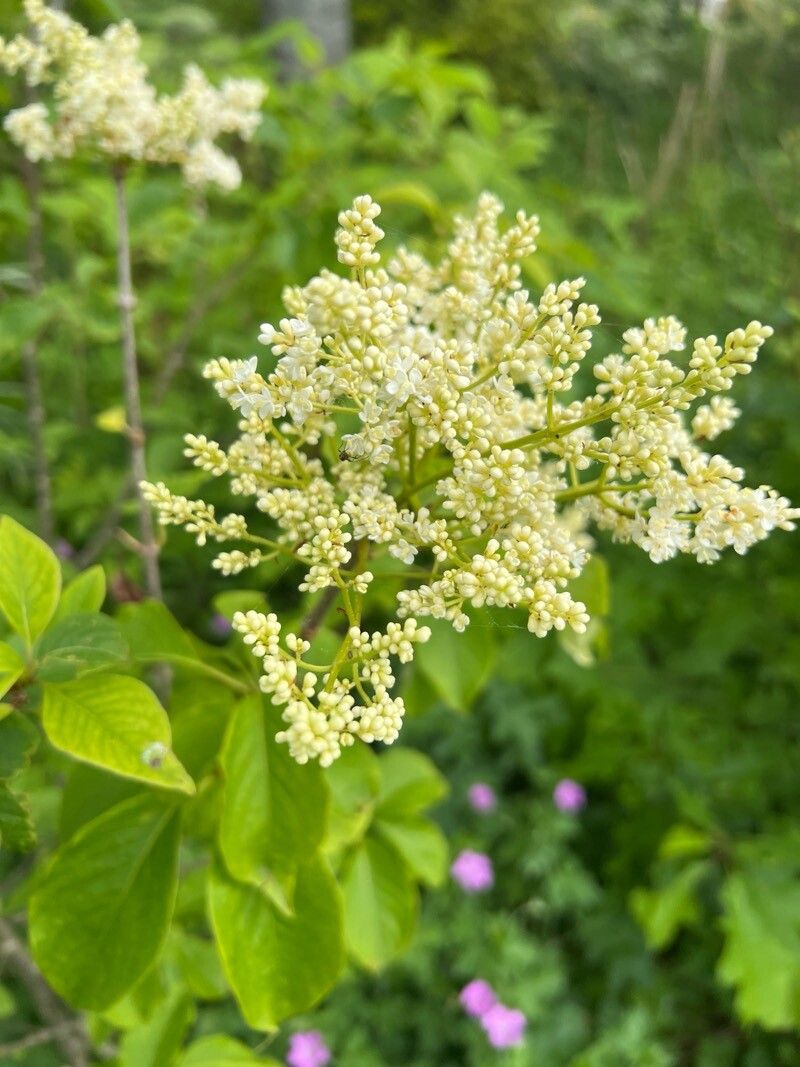
Hello, fellow plant lovers! I’m so thrilled you’ve found your way here, ready to dive into the wonderful world of propagating Ethulia faulknerae. If you’re drawn to its delicate, airy foliage and the way it just seems to soften any corner of your garden or home, you’re not alone. I’ve been growing and talking about plants for two decades now, and Ethulia faulknerae is one of those quiet charmers that always brings a smile to my face. The best part? It’s quite generous with its propagation, making it a really rewarding plant for both seasoned gardeners and those just starting to get their hands dirty.
The Best Time to Start
For the absolute best success with Ethulia faulknerae, lean towards the late spring or early summer. This is when the plant is actively growing and has plenty of energy to put into developing new roots. You’re looking for healthy, non-woody stems to take cuttings from. Think of it as gathering fresh, vibrant material when the plant is at its peak.
Supplies You’ll Need
Gathering your supplies beforehand makes the whole process smooth sailing. Here’s what I usually have on hand:
- Sharp pruning shears or a clean, sharp knife: For making clean cuts.
- Rooting hormone (optional but recommended): A little boost never hurts!
- Well-draining potting mix: A good blend of peat moss, perlite, and a little bit of compost works wonders. Or, a specialized seedling mix will do the trick.
- Small pots or propagation trays: Clean ones are key to preventing disease.
- Plastic bags or a mini-greenhouse: To create a humid environment.
- Watering can or spray bottle: For gentle watering.
Propagation Methods
Ethulia faulknerae is a champion when it comes to stem cuttings. It’s straightforward, and you’ll likely have success with it.
Stem Cuttings:
- Select your parent plant: Find a healthy, vigorous Ethulia faulknerae. Look for stems that are about 4-6 inches long and have plenty of leaves. Avoid any woody or old growth; you want the juicy, green stuff.
- Make the cut: Using your sharp shears or knife, make a clean cut just below a leaf node (where a leaf attaches to the stem). This is where the magic happens for root development.
- Prepare the cutting: Gently remove the lower leaves from the stem, leaving just a couple of sets of leaves at the top. This prevents them from rotting while the cutting is trying to root.
- Dip in rooting hormone (optional): If you’re using rooting hormone, lightly dip the cut end into the powder or gel. Tap off any excess.
- Plant your cuttings: Fill your small pots with your well-draining mix. Make a small hole with your finger or a pencil and gently insert the cutting, ensuring the leaf nodes where you removed the leaves are buried in the soil.
- Water gently: Give the soil a good watering until it’s moist but not waterlogged.
- Create humidity: Cover the pot with a plastic bag or place it in a mini-greenhouse. This creates a humid environment, which is crucial for cuttings. Make sure the leaves don’t touch the plastic if possible – you can use small stakes to keep the bag lifted.
- Find the right spot: Place the pots in a bright location with indirect light. Avoid direct sun, which can scorch the young cuttings.
Water Propagation (for the impatient gardeners!):
This is a fun alternative, and Ethulia faulknerae roots pretty readily in water.
- Take cuttings: Follow steps 1 and 2 above.
- Place in water: Take off the lower leaves and place the cuttings in a glass or jar of clean water.
- Change the water: Refresh the water every few days to keep it clean and oxygenated.
- Watch for roots: You should start to see small white roots developing from the leaf nodes within a couple of weeks.
- Transplant: Once the roots are about an inch long, you can transplant them into pots filled with your well-draining potting mix.
The “Secret Sauce” (Pro Tips)
Here are a couple of little tricks I’ve learned over the years that really help boost success:
- Bottom Heat is Your Friend: While Ethulia faulknerae doesn’t require it, placing your pots on a seedling heat mat can significantly speed up the rooting process. It mimics that lovely warm soil feeling of spring and encourages robust root development. Just ensure the heat isn’t too intense; a gentle warmth is all you need.
- Don’t Undersoil the Scrape: Sometimes, before dipping in rooting hormone, I’ll lightly scrape a tiny sliver of the outer bark off the bottom inch of the stem. This exposes more of the cambium layer, where roots are eager to emerge. Be gentle with this – a light touch is all that’s needed.
Aftercare & Troubleshooting
Once you see those little roots peeking out from the bottom of your pot (or developing in the water), it’s time to give your new plant special attention!
- Gradual Acclimation: If you’ve used a plastic bag or greenhouse, start by removing it for a few hours each day, gradually increasing the time it’s off over a week. This helps the new roots adjust to normal humidity levels.
- Gentle Watering: Continue to water gently, allowing the top inch of soil to dry out between waterings. Overwatering is the quickest way to invite trouble.
- Light Feeding (Eventually): Once the plant is well-established and showing new growth, you can introduce a diluted liquid fertilizer.
Troubleshooting:
- Drooping or Wilting: This is often a sign of shock or insufficient moisture. Ensure the soil is consistently moist but not soggy. Sometimes, a bit more humidity can help.
- Rotting Stems: Uh oh, fungus gnats and rot are the banes of propagation! This usually means too much moisture and not enough ventilation. Ensure your soil is well-draining, and that you’re not overwatering. If a stem turns black and mushy, discard it to prevent it from spreading.
- No Root Development: Be patient! Some plants take their sweet time. If after several weeks you see no signs of roots, the cutting might not have been viable or the conditions weren’t quite right. Don’t be discouraged; just try again!
A Encouraging Closing
There you have it – a journey into propagating Ethulia faulknerae. Remember, gardening is as much about the process as it is about the outcome. Be patient with your cuttings, offer them a welcoming environment, and celebrate every tiny root that appears. Before you know it, you’ll have a whole little army of these lovely plants! Happy propagating!
Resource:
https://identify.plantnet.org/k-world-flora/species/Ethulia%20faulknerae%20C.Jeffrey/data