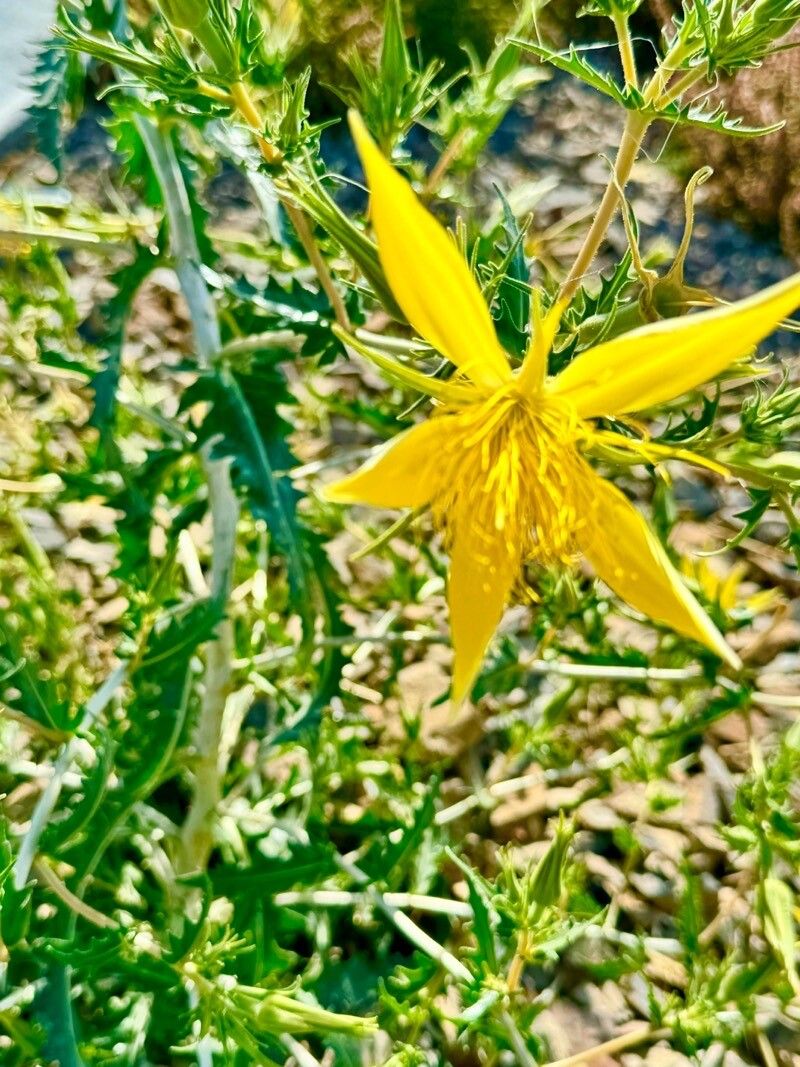
Hey there, fellow plant enthusiasts! So, you’ve fallen in love with Mentzelia multiflora, haven’t you? Those stunning, starry blossoms and their unique charm – they’re just captivating. And guess what? Bringing more of these beauties into your garden, or sharing them with friends, is incredibly rewarding. Propagating them is a fantastic way to expand your collection, and while Mentzelia can sometimes be a bit of a particular plant, with a little know-how, you can absolutely succeed. Don’t let that put you off; think of it as a delightful challenge!
The Best Time to Start
When it comes to getting the most bang for your propagation buck with Mentzelia multiflora, your best bet is to start in the spring. Look for active growth when the plant is really putting on a show. This means the stems are fresh, vigorous, and full of life, giving them the best chance of rooting successfully. Waiting until after the main blooming period is also a good option, as the plant has stored up plenty of energy.
Supplies You’ll Need
Gathering your tools beforehand makes the whole process smoother. Here’s what I recommend having on hand:
- Sharp pruning shears or a clean knife: For taking clean cuts.
- Rooting hormone (optional but helpful): Especially good for stem cuttings.
- Well-draining potting mix: A good blend of perlite, coarse sand, and peat moss works wonders. Avoid anything too heavy.
- Small pots or propagation trays: Ensure they have drainage holes.
- Watering can with a fine rose or spray bottle: For gentle watering.
- Plastic bags or a propagation dome: To maintain humidity.
- Labels and a marker: Always a good idea to keep track of your work!
Propagation Methods
Mentzelia multiflora isn’t usually a plant we’ll divide in a big way like some hostas. Instead, we’ll focus on a few key methods that tend to work best.
Stem Cuttings
This is probably the most common and rewarding method for Mentzelia.
- Take your cuttings: In spring or early summer, select healthy, non-flowering stems. Aim for pieces about 4 to 6 inches long. Make a clean cut just below a leaf node (where a leaf attaches to the stem). This is where the magic of rooting often happens.
- Prepare the cuttings: Gently remove the lower leaves from the cutting. You want to expose a bit of stem for rooting. If you’re using rooting hormone, dip the cut end into the hormone powder according to the product’s instructions.
- Plant the cuttings: Fill your small pots with your well-draining potting mix. Make a small hole in the center of the mix with your finger or a pencil. Gently insert the cutting into the hole, ensuring it stands upright.
- Water and cover: Water the soil lightly to settle it around the cutting. Then, cover the pot loosely with a plastic bag or place it under a propagation dome. This creates a humid environment that cuttings love.
Water Propagation (for more experienced hands)
While not my primary go-to for Mentzelia, I’ve had success with it on occasion.
- Select and prepare cuttings: Similar to stem cuttings, choose healthy shoots. Make your cut below a leaf node.
- Place in water: Place the cutting in a clean jar or glass of water. Make sure no leaves are submerged in the water. Submerged leaves tend to rot, and that’s something we want to avoid!
- Find a good spot: Place the container in a bright spot but out of direct, scorching sun.
- Change water regularly: Refresh the water every few days to keep it clean and oxygenated. You’ll want to see those little white roots beginning to form.
The “Secret Sauce” (Pro Tips)
Alright, let’s get a little more specific. These are things I’ve learned over the years that can really make a difference.
- Bottom Heat is Your Friend: For stem cuttings, placing your pots on a heated propagation mat can significantly speed up root development. It mimics the warmth of spring soil and encourages those roots to sprout with more vigor.
- Don’t Rush the Transplant: It’s tempting to pot up your new plant as soon as you see a tiny root. Resist this urge! Wait until you have a good network of roots, ideally a few inches long, before moving your cutting to a larger pot. This ensures a stronger, more robust plant from the start.
- The “Mist and Forget” Approach: Instead of constantly watering, I often find that a light misting of the leaves daily (in addition to watering the soil when dry) helps keep the humidity up and the foliage happy while the roots are forming. Just don’t make them soggy!
Aftercare & Troubleshooting
Once you see those roots peeking out or your cuttings are showing signs of new growth, it’s time for a little extra care.
- Acclimatize Slowly: Gradually introduce your new plants to less humid conditions before removing the plastic bag or dome completely. Start by opening the bag for an hour or two each day.
- Gentle Feeding: Once your new Mentzelia is established in its pot, you can begin feeding it with a diluted liquid fertilizer every few weeks during the growing season.
- Watch for Rot: The most common issue you’ll encounter is rot, especially if you’re overwatering or the drainage isn’t quite right. Look for stems that turn black and mushy at the base. If you spot this, unfortunately, that cutting is usually a goner. Prevent it by ensuring good air circulation and well-draining soil. If you catch it early in the soil, you might be able to dry it out.
A Gentle Encouragement
Propagating plants is a journey, and Mentzelia multiflora is certainly worth the effort. Be patient with yourself and your new little plants. Not every cutting will make it, and that’s perfectly okay. The joy is in the process, in learning, and in the eventual reward of seeing these beautiful flowers bloom again and again. Happy gardening, and enjoy watching your Mentzelia family grow!
Resource:
https://identify.plantnet.org/k-world-flora/species/Mentzelia%20multiflora%20(Nutt.)%20A.Gray/data