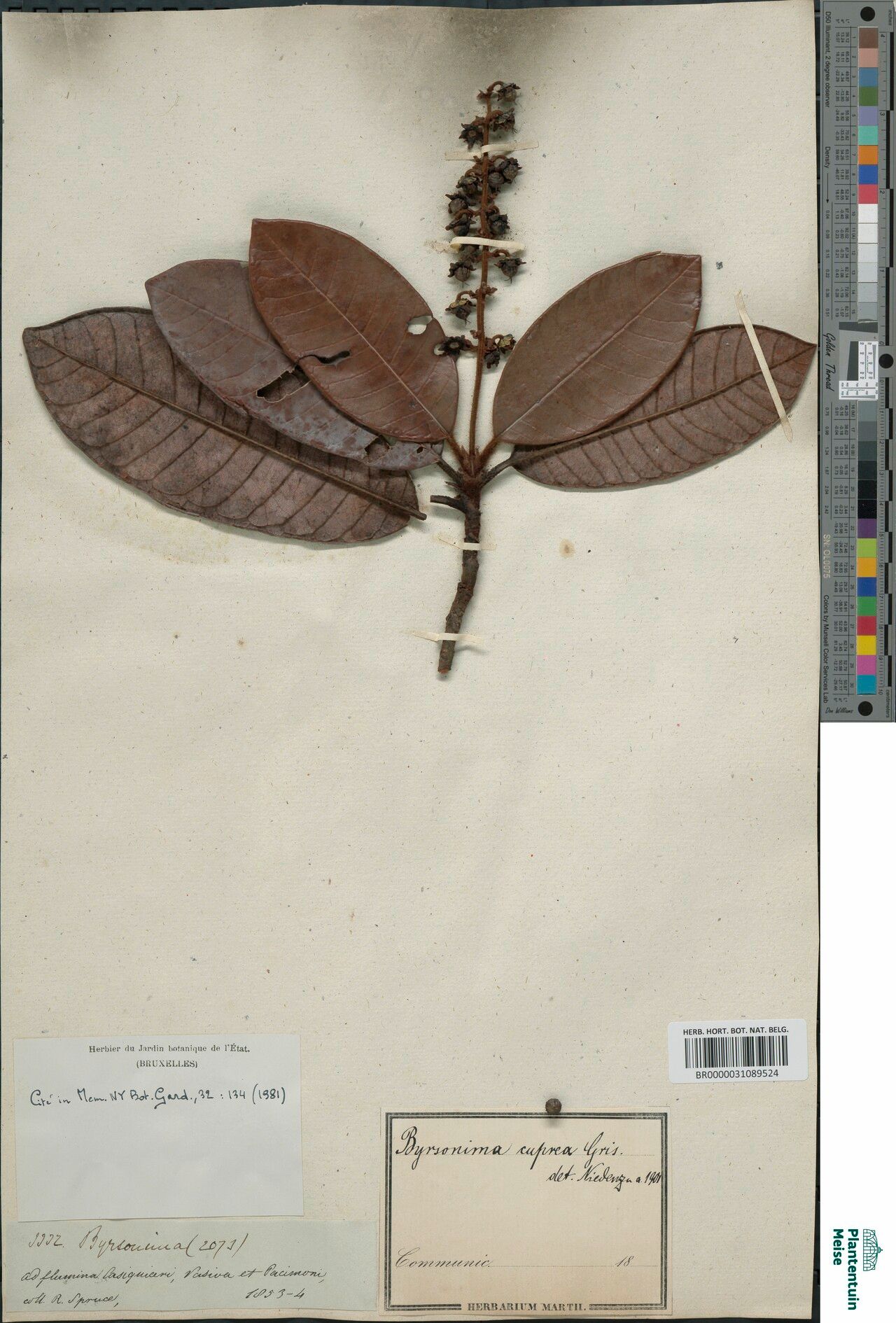
Hey there, fellow garden enthusiasts! I’m so excited to chat with you today about a plant that has truly captured my heart over the years: Byrsonima cuprea. You might know it by its common name, the “Golden Cup Flower” or sometimes “Sunrose.” It’s this absolutely stunning shrub that explodes with these vibrant, coppery-gold blossoms, often smelling delicately sweet. They practically glow in the sunlight, and honestly, there’s just something incredibly satisfying about coaxing a new one into existence yourself from a small piece of the original. Now, if you’re a beginner, I won’t lie, Byrsonima cuprea can be a little bit of a show-off. It’s not impossible, but it definitely rewards a bit of careful attention. Don’t let that deter you!
The Best Time to Start
For Byrsonima cuprea, spring is your best friend. Think late spring, just as the plant is really hitting its stride after its winter rest and starting to put on new growth. You want to catch those vigorous, healthy shoots before they get too woody. This active growth phase is when the plant has the most energy to dedicate to rooting. Trying to propagate when it’s stressed, like during extreme heat or drought, is just setting yourself up for disappointment.
Supplies You’ll Need
Here’s what I always have on hand when I’m working with Byrsonima cuprea:
- Sharp Pruning Shears or a Knife: Cleanliness is key for preventing disease.
- Rooting Hormone: A good quality powder or gel will give your cuttings a significant boost. I usually reach for one with IBA (Indole-3-butyric acid).
- Small Pots or Seed Trays: Cleaned thoroughly, of course!
- Well-Draining Potting Mix: I often use a blend of equal parts perlite and peat moss, or a commercial cacti and succulent mix works wonderfully. You can also add a bit of horticultural charcoal for good measure.
- Plastic Bags or a Propagator: To create a humid environment.
- Spray Bottle: For misting your cuttings.
- Labels and a Marker: So you don’t forget what you planted where!
Propagation Methods
Let’s get our hands dirty! Stem cuttings are generally the most successful route for Byrsonima cuprea.
Stem Cuttings:
- Select Your Cuttings: Look for healthy, non-flowering stems that are about 4-6 inches long. You want a stem that is firm but not overly woody. Pinch it gently – it should snap cleanly, not bend like a green twig.
- Make the Cut: Using your sterilized pruning shears or knife, make a clean cut just below a leaf node (that little bump where a leaf attaches to the stem). This is where the magic happens, the zone where roots are most eager to form.
- Prepare the Cutting: Carefully remove the leaves from the bottom half of the cutting. You’ll want to leave just 2-3 sets of leaves at the very top. If your leaves are quite large, you can even slice them in half horizontally to reduce water loss and stress on the cutting.
- Apply Rooting Hormone: Dip the cut end of the stem into your rooting hormone, tapping off any excess. Make sure you coat the bottom inch or so.
- Plant Your Cuttings: Fill your cleaned pots with your moist (not soggy) potting mix. Make a small hole in the center with your finger or a pencil, and gently insert the base of the cutting. Firm the soil gently around the stem to ensure good contact.
- Create Humidity: Water the soil lightly. Then, cover the pot with a clear plastic bag or place it in a propagator. This traps the humidity, which is crucial for cuttings to form roots without drying out. You can use stakes to keep the plastic from touching the leaves.
- Find a Good Spot: Place your pots in a bright location, but out of direct, harsh sunlight. A consistent temperature of around 70-75°F (21-24°C) is ideal.
The “Secret Sauce” (Pro Tips)
Here are a couple of things I’ve learned over the years that really make a difference:
- The “Sniff Test” for Your Soil: Before you even reach for your cuttings, lightly moisten your potting mix and then give it a gentle sniff. If it smells musty or sour, it’s probably too wet or old. You want that fresh, earthy scent. A soil that’s too wet is a one-way ticket to rot, and we don’t want that for our precious Byrsonima.
- Bottom Heat is Your Best Friend: Especially if your home tends to be on the cooler side, investing in a heating mat designed for propagation can be a game-changer. It provides a consistent, gentle warmth to the roots, encouraging them to get going much faster and with more vigor. It’s like giving them a warm hug!
Aftercare & Troubleshooting
Once your cuttings have been nestled into their new homes, keep an eye on them.
- Mist Regularly: Mist the leaves lightly with your spray bottle every day or two, especially if you notice the soil starting to dry out or the leaves looking a little thirsty. Be careful not to overwater.
- Check for Roots: After about 4-6 weeks, you can give your cuttings a very gentle tug. If you feel resistance, it means roots have formed! You can also look for new leaf growth. At this point, you can slowly start to acclimatize them to the outside air by opening the plastic bag a little more each day.
- Signs of Trouble: The most common issue you’ll face is rot. If a cutting turns mushy or black, it’s usually a sign of too much moisture and not enough airflow. Unfortunately, these are difficult to save. You might also see leaves yellowing and dropping, which can indicate too little light, too much water, or insufficient humidity. If you see mold on the soil surface, it’s also a sign of overwatering and poor air circulation.
A Encouraging Closing
Propagating plants like Byrsonima cuprea is a journey, not a race. There will be times when things don’t quite go according to plan, and that’s perfectly normal. Don’t get discouraged! Each “failure” is just a lesson learned. Celebrate every little sign of progress – a new leaf unfurling, a tiny root peeking through the drainage hole. The satisfaction of nurturing a beautiful plant from a simple cutting is truly unparalleled. So, grab your tools, find your sunshine, and happy propagating!
Resource:
https://identify.plantnet.org/k-world-flora/species/Byrsonima%20cuprea%20Griseb./data