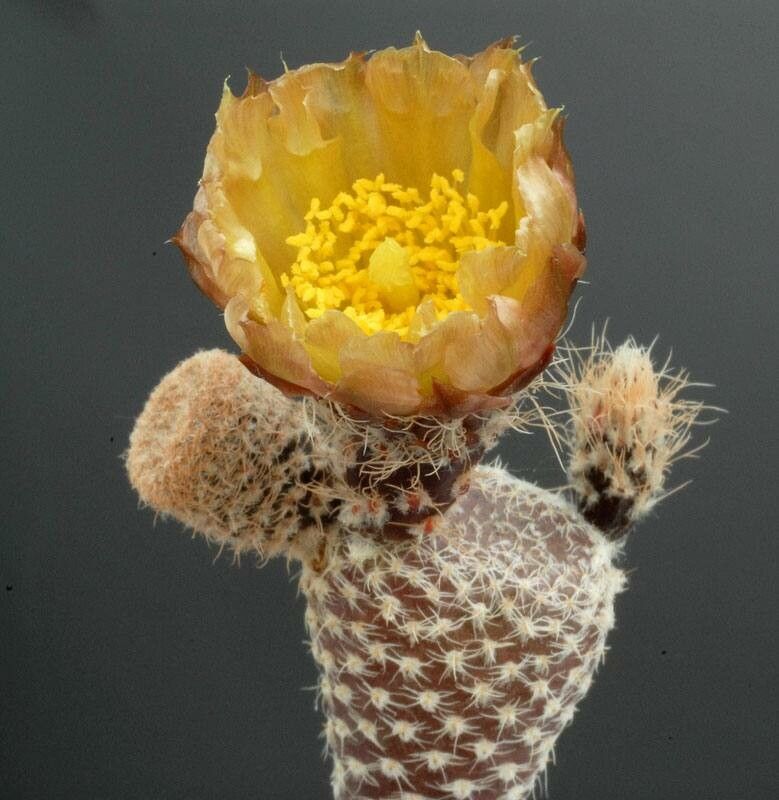
Hello plant pals! Today, we’re diving into the wonderful world of Maihueniopsis clavarioides, a truly enchanting cactus. If you’ve ever admired its unique, club-like segments, you’re not alone! This distinctive cactus offers a lovely textural element to any collection, and there’s such a thrill in coaxing a new little plant into existence.
Now, if you’re a beginner, I’ll be honest – propagating Maihueniopsis clavarioides can be a tiny bit of a challenge. It’s not quite as straightforward as a succulent cutting, but with a little patience and the right approach, it’s absolutely achievable. And the reward? Oh, it’s immense! Watching those first tiny roots emerge is pure gardening joy.
The Best Time to Start
For the highest success rate with Maihueniopsis clavarioides, aim to propagate during its active growing season. This typically means late spring through summer. You’ll want to work with pieces that are robust and showing signs of new growth, not dormant or stressed parts of the plant. Think of it as giving your new starter a good head start.
Supplies You’ll Need
Here’s what you’ll want to gather to make your propagation journey smoother:
- Well-draining potting mix: A cactus or succulent mix is perfect. I often amend mine with extra perlite or pumice for even better drainage.
- Sharp, clean pruning shears or a sharp knife: For making clean cuts.
- Rooting hormone (optional but recommended): This can significantly boost your success rate.
- Small pots or trays: For your new cuttings. Make sure they have drainage holes!
- Spray bottle: For gentle watering.
- Gloves: While generally not prickly, it’s always good practice when handling cacti.
- Labels and a marker: To keep track of what you’ve propagated and when.
Propagation Methods
The most successful way to propagate Maihueniopsis clavarioides is by taking stem cuttings.
- Select Your Cutting: Gently examine your established plant. Look for a healthy, mature segment that’s at least a few inches long and appears plump and firm. Carefully twist or cut the segment from the parent plant. Try to get a clean break.
- Let it Callus: This is a CRUCIAL step for cacti. Place the cut end of your segment on a clean paper towel or in a dry, airy spot out of direct sunlight. It needs to form a callus (a dry, scab-like layer) over the cut surface. This usually takes anywhere from a few days to a week, depending on humidity. Don’t rush this; it prevents rot.
- Prepare for Planting: Once callused, you can dip the callused end into rooting hormone if you’re using it. Lightly tap off any excess.
- Plant Your Cutting: Fill your small pot with your well-draining soil mix. Make a small hole in the center with your finger or a pencil. Gently insert the callused end of the cutting into the hole. You want it to stand upright, but it doesn’t need to be deeply buried. About an inch should be sufficient.
- Initial Watering (Be Gentle!): For the first week or so after planting, I don’t water at all. The cutting has stored moisture, and the soil is likely still a bit damp from the potting process. After that initial drying period, I mist the soil surface lightly every few days. The key here is just barely moistening the soil, not soaking it.
The “Secret Sauce” (Pro Tips)
Here are a couple of little tricks I’ve learned over the years that really make a difference.
- Bottom Heat is Your Friend: If you can, place your potted cuttings on a seedling heat mat set to a low temperature. This gentle warmth from below encourages root development significantly. It’s especially helpful if your propagation area isn’t super warm.
- Don’t Overcrowd: When you’re propagating multiple cuttings, give them space. They need good air circulation to prevent fungal issues. A little breathing room goes a long way in keeping them healthy and happy.
- Patience with the First Watering: I’ve seen so many people kill cuttings by watering too soon. Remember that callus? It’s there to protect the plant. Water is its enemy at this stage. Wait until you see some slight shriveling or feel the soil has truly dried out for a while before even thinking about a light mist.
Aftercare & Troubleshooting
Once your cutting has started to show signs of rooting – usually seen as a slight swelling at the base or, better yet, a gentle tug on the cutting revealing some resistance – you can start watering a bit more regularly. Water when the soil is completely dry, and then water thoroughly, allowing excess water to drain away.
The most common problem you’ll encounter is rot. If you see your cutting starting to turn mushy or black at the base, it’s likely succumbing to rot. This is almost always due to too much moisture and lack of a good callus. Unfortunately, if rot sets in, it’s often difficult to save.
A Little Patience Goes a Long Way
Propagating cacti is a lesson in patience, and Maihueniopsis clavarioides is no exception. It might take several weeks, or even a few months, to see substantial root growth. Don’t get discouraged if things are slow! Enjoy the process, celebrate the little victories, and remember that each new plant is a testament to your green thumb and dedication. Happy propagating!
Resource: