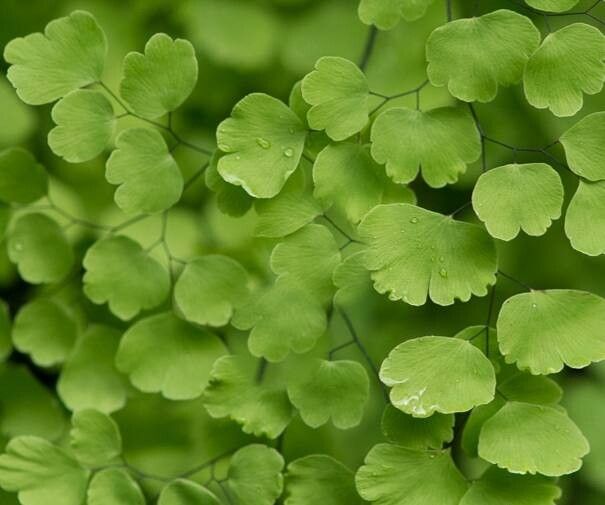
Oh, hello there! Pull up a chair. I’m so glad you’re interested in Adiantum poiretii. These delicate maidenhair ferns, with their lacy fronds and graceful sway, are just pure magic in the dappled shade of a garden or home. They bring a touch of wild, woodland beauty indoors, don’t they? And the thought of creating more of these beauties from a single plant? Well, that’s just about the most rewarding feeling for any plant lover. Now, let’s talk about propagation. Adiantum poiretii can be a little finicky, so while it might not be the absolute easiest for a true beginner, with a bit of patience and these tips, you’ll be well on your way.
The Best Time to Start
The sweet spot for propagating Adiantum poiretii is definitely during its active growing season. Think spring and early summer. When the plant is pushing out new growth, it has the energy reserves to put into developing new roots. Trying to propagate when it’s stressed or dormant will just lead to disappointment. Watch for those lovely new fiddleheads unfurling; that’s your signal!
Supplies You’ll Need
Gathering your tools beforehand makes the whole process so much smoother. Here’s what you’ll want to have on hand:
- Sharp, clean pruning shears or a knife: For making clean cuts. Sterilize them with rubbing alcohol to prevent disease.
- Well-draining potting mix: A blend of peat moss, perlite, and a bit of orchid bark works wonderfully for ferns. Or, look for a specific fern potting mix.
- Small pots or trays: Clean ones, of course! Terracotta is great because it breathes.
- Plastic bags or a clear plastic dome: To create a humid environment.
- Rooting hormone (optional but recommended): A powder or gel can give your cuttings a boost.
- Spray bottle: For keeping things consistently moist.
- Trowel or small scoop: For handling your potting mix.
Propagation Methods
Adiantum poiretii is most commonly propagated through division and, with a bit more finesse, stem cuttings. Let’s dive in.
Division: The Most Reliable Route
This is my go-to method for maidenhair ferns. You’re essentially just separating a mature plant into smaller individuals.
- Gently remove the fern from its pot. If it’s stuck, running a knife around the edge might help.
- Inspect the root ball. Look for natural divisions where the rhizomes (those thick, creeping stems) have grown apart. You’ll often see distinct clumps of fronds arising from separate root masses.
- Using your fingers or a clean knife, gently separate the clumps. Be patient here. You want to ensure each division has a good amount of roots. Don’t worry if a few small roots break; it’s inevitable.
- Pot up each division in its own small pot filled with your well-draining fern mix. Ensure the top of the root ball is at the same level it was in the original pot.
- Water thoroughly until water drains from the bottom.
- Place the newly potted divisions in a humid location and keep the soil consistently moist but not waterlogged.
Stem Cuttings: A Delicate Dance
This method requires a bit more attention to detail, but seeing a new tiny fern sprout from a piece of a frond is so exciting!
- Select healthy, young fronds. Look for ones that are fully unfurled but not yet tough and woody.
- Using your clean shears, take a cutting about 3-4 inches long, including a small piece of the rhizome at the base if possible.
- Remove the lower leaves from the cutting, leaving just a few at the top. This prevents them from rotting in the soil.
- Dip the cut end into rooting hormone (if using), tapping off any excess.
- Make a hole in your potting mix with a pencil or your finger.
- Insert the cutting into the hole and gently firm the soil around it.
- Water lightly.
- Cover the pot with a clear plastic bag or dome to maintain high humidity. You can poke a few small holes in the bag to allow for a little air circulation.
- Place the pot in bright, indirect light. Avoid direct sun, as this will scorch the delicate cutting.
The “Secret Sauce” (Pro Tips)
Here are a couple of tricks I’ve learned over the years that really make a difference with Adiantum:
- Don’t let the fronds touch the water: If you’re doing water propagation (which is less common for these but possible for some), make sure the cut stem is submerged, but any leaves above the waterline should stay dry. Leaves submerged will rot quickly. For cuttings in soil, this is why we remove lower leaves.
- Mimic the rainforest floor: Adiantum thrives on consistent moisture and humidity. If you notice your cuttings or divisions drying out, gently mist them with distilled water or rainwater (tap water can sometimes have minerals that ferns dislike). Creating that microclimate is key!
- Gentle is best: When dividing, I always try to use my fingers as much as possible. The root systems of maidenhair ferns are incredibly fine and can be easily damaged. If you have to use a tool, be as delicate as you can.
Aftercare & Troubleshooting
Once you see signs of new growth, whether it’s a new frond emerging from a division or tiny roots forming on a cutting, you’re on the right track!
- For divisions: Continue to keep the soil consistently moist. Once the new plant seems established (you’ll see good new growth over a few weeks), you can gradually introduce it to slightly less humid conditions, but never let it dry out completely.
- For cuttings: Be patient! It can take several weeks, even months, for cuttings to develop enough roots to be considered established. You can test for roots by gently tugging on the cutting. If there’s resistance, you’ve got roots. Once rooted, treat it like a division.
Now, what if things go wrong? The most common culprit is rot. This usually happens if the soil is too wet and there isn’t enough air circulation. You might see the fronds turning brown and mushy, starting from the base. If you spot rot on a division, you might be able to salvage healthy parts of the root ball and repot. For cuttings, rot often means starting over. Another sign of trouble is browning tips on the fronds, which usually indicates that the humidity isn’t high enough or the plant is drying out too much.
A Little Patience Goes a Long Way
Propagating Adiantum poiretii is a journey. There will be moments where you question if it’s going to work, but trust the process. Each new plant you nurture into existence is a little victory. Enjoy the quiet satisfaction of watching those delicate fronds unfurl. Happy growing!
Resource:
https://identify.plantnet.org/k-world-flora/species/Adiantum%20poiretii%20Wikstr./data