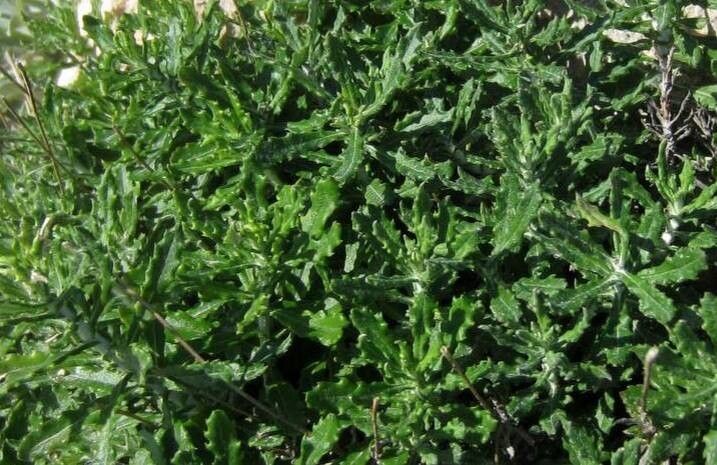
Hey there, fellow plant lovers! I’m so excited to chat with you today about a gem in the gardening world: Phagnalon rupestre. If you’ve ever admired its delicate, silvery foliage and charming little yellow blooms, you’re not alone. This Mediterranean native brings a touch of rugged beauty to any garden, and the joy of successfully propagating it yourself is just chef’s kiss.
Now, you might be wondering if this is a task best left to the seasoned pros. Honestly, I’d say Phagnalon rupestre is moderately easy to propagate, making it a rewarding project for most gardeners, even those with a few seasons under their belt. It definitely has a bit more personality than, say, a pothos, but with a little care, you’ll be rewarded with lovely new plants.
The Best Time to Start
For the highest success rate, I always aim to propagate Phagnalon rupestre in the late spring or early summer. This is when the plant is actively growing and has plenty of energy to put into developing new roots. You’re looking for healthy, non-flowering stem growth; think of it as capturing that youthful vigor!
Supplies You’ll Need
Gathering your supplies beforehand makes the whole process smoother. Here’s what I always have on hand:
- Sharp pruning shears or a clean knife: For making clean cuts that heal well.
- Rooting hormone (optional but recommended): A little boost can speed things up. I prefer a gel formula.
- Well-draining potting mix: A gritty mix is crucial. I love a blend of perlite, coarse sand, and a good quality potting soil – something like a 1:1:1 ratio works wonders. You can also use a commercial cactus or succulent mix.
- Small pots or seed trays: Clean containers are a must to prevent disease.
- Plastic bags or a propagation dome: To create a humid microclimate.
- Patience! This is perhaps the most important tool.
Propagation Methods
Phagnalon rupestre is a trooper, and it responds well to a couple of reliable methods.
Stem Cuttings: My Go-To
This is my absolute favorite way to go. It’s efficient and you get a good number of new plants from a single parent.
- Take Your Cuttings: Using your clean shears, select healthy, non-flowering stems. Aim for cuttings that are about 4-6 inches long. Make a clean cut just below a leaf node (where a leaf attaches to the stem). Remove the lower leaves, leaving just a few at the top.
- Prepare the Cuttings: If you’re using rooting hormone, dip the cut end into it. Then, let the cuttings “callus over” for a day or two in a dry, shady spot. This helps prevent rot.
- Plant Them Up: Fill your clean pots with your well-draining mix. Make small holes in the soil with a pencil or your finger. Gently insert the callused ends of the cuttings into the holes, ensuring they are firm enough to stand on their own.
- Provide Humidity: Water the soil lightly. Then, cover the pots with a plastic bag or a propagation dome to keep the humidity high. Make sure the leaves don’t touch the plastic, as this can encourage rot. Poke a few small holes in the bag for ventilation.
- Wait and Watch: Place the pots in a bright spot with indirect sunlight. Avoid direct sun, which can scorch the young cuttings. Keep the soil
ably moist, but not soggy.
Division: For the Established Plant
If you have a more mature Phagnalon rupestre that’s looking a bit crowded, division is a fantastic option.
- Gently Excavate: Carefully lift the entire plant from its pot. If it’s in the ground, gently dig around the root ball.
- Inspect the Roots: Gently tease apart the root ball. You’re looking for natural divisions where you can see distinct clumps of roots and foliage.
- Separate Sections: Using your hands or a clean knife, carefully separate sections of the plant, ensuring each new piece has a good amount of roots and healthy stems.
- Pot Them Up: Pot each division into its own container filled with your well-draining mix. Water lightly and place them in a location with bright, indirect light.
The “Secret Sauce” (Pro Tips)
Here are a couple of tricks I’ve learned over the years that really make a difference:
- Don’t Over-Water! This is probably the most common mistake. Young cuttings are very susceptible to rot. Aim for consistently slightly moist soil, not waterlogged. Check the soil moisture before you water.
- Bottom Heat is Your Friend: If you’re struggling with root development, consider using a heating mat under your pots. This gentle warmth mimics ideal spring conditions and can significantly speed up the rooting process. It’s particularly helpful in cooler climates or during less-than-ideal propagation times.
- Be Patient with Roots: Don’t be tempted to yank on your cuttings to see if they have roots. It can take several weeks, even up to a month or two, for Phagnalon rupestre cuttings to establish a good root system. Trust the process!
Aftercare & Troubleshooting
Once you see new growth appearing on your cuttings, that’s a good sign roots are forming!
- Acclimating to Lower Humidity: As your new plants develop roots, you’ll want to gradually reduce the humidity. Start by opening up the plastic bag for a few hours a day, then remove it entirely over a week or two.
- Move to Brighter Light: Once they have a decent root system and are showing new leaf growth, you can slowly transition them to brighter light, but still avoid harsh, direct sun for the first few weeks.
- First Watering: Water them thoroughly when the top inch of soil feels dry.
- Troubleshooting Rot: The biggest enemy is rot, often indicated by mushy, black stems or leaves turning yellow and falling off without explanation. If you see this, act fast! Remove affected cuttings immediately to prevent it from spreading. Ensure your soil is draining well and your watering is more judicious.
A Encouraging Closing
Propagating plants like Phagnalon rupestre is an incredibly satisfying journey, and I truly believe anyone can do it. Don’t get discouraged if your first attempt isn’t perfect. Learn from it, adjust your approach, and try again. The magic of watching a tiny cutting transform into a thriving new plant is an experience you won’t forget. Be patient, observe your plants, and most importantly, enjoy the process! Happy gardening!
Resource:
https://identify.plantnet.org/k-world-flora/species/Phagnalon%20rupestre%20(L.)%20DC./data