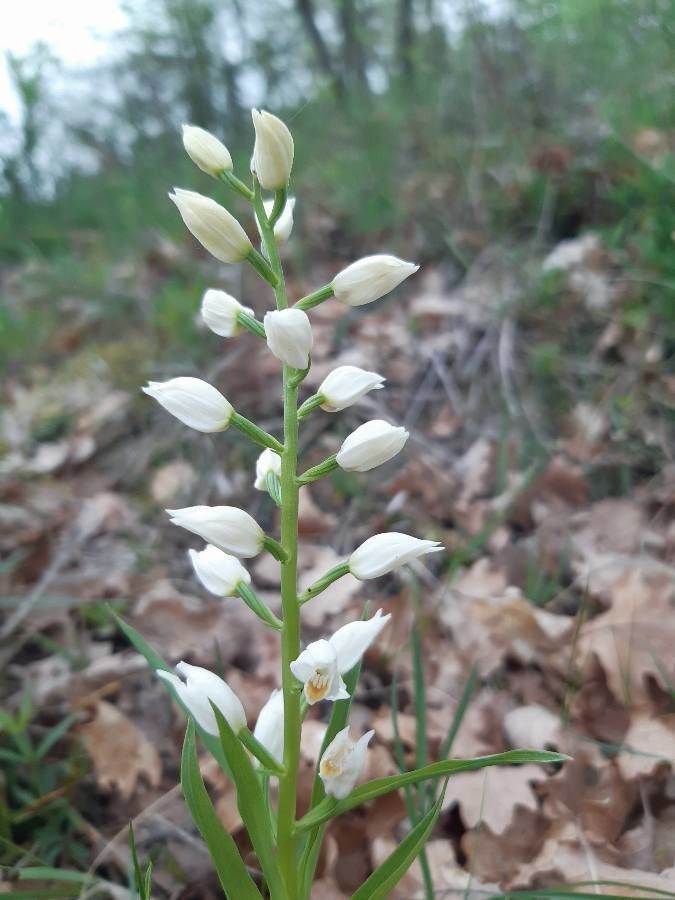
Hello there, fellow plant lovers! Gather ’round, let’s chat about a plant that truly captures the heart with its delicate, elegant blooms: Cephalanthera longifolia. This beauty, also known as the Narrow-leaved Helleborine, is a woodland orchid that brings a touch of wild magic to any garden. Propagating it is a deeply satisfying endeavor, a chance to witness life’s steady unfolding right before your eyes. Now, I’ll be honest, orchids can sometimes have a bit of a reputation for being fussy. For Cephalanthera longifolia, propagation isn’t usually a “set it and forget it” kind of deal, but with a little care and attention, it’s absolutely achievable. Don’t let that deter you; the rewards are well worth it!
The Best Time to Start
When it comes to getting your new Cephalanthera longifolia babies going, timing is everything. The absolute best time to think about propagation is in the early spring, right as new growth is beginning to emerge. You want to catch that surge of energy the plant has as it wakes up from its winter slumber. This is when it’s most receptive to division and most likely to establish itself quickly.
Supplies You’ll Need
To make your propagation journey as smooth as possible, let’s get our tools ready. Here’s what I recommend having on hand:
- Sharp, sterile pruning shears or a clean knife: For making precise cuts and preventing disease.
- Well-draining potting mix: A blend formulated for orchids, or a mix of perlite, orchid bark, and a little peat moss is ideal. We want excellent aeration.
- Small pots or trays: With good drainage holes, of course!
- Watering can or spray bottle: For gentle watering.
- Labels and a marker: To keep your precious projects identified.
- (Optional, but recommended for some methods) Rooting hormone powder: Can give a helpful boost.
- (Optional, for very humid environments) A clear plastic bag or propagation dome: To maintain moisture.
Propagation Methods
While Cephalanthera longifolia is sometimes notoriously difficult to start from seed (which often requires specific fungal symbiosis), the most reliable method for us home gardeners is division. This is how we’ll likely be expanding our collection.
Division of Rhizomes:
This is the primary way to propagate Cephalanthera longifolia. You’re essentially splitting a mature plant into smaller sections, each with its own healthy roots and at least one growth bud.
- Assess Your Plant: Gently unpot your Cephalanthera longifolia. Look for areas where the rhizome (the thick, underground stem) has naturally branched. You’re looking for sections that appear robust and have visible roots attached.
- Prepare for Cutting: Using your sterile pruning shears or knife, carefully make a clean cut through the rhizome. Aim to separate a section that already has roots.
- Separate Gently: If the rhizome is tough, you might need to gently tease the roots apart with your fingers. Be as gentle as possible to avoid damaging them.
- Potting Up: Fill your small pots with your well-draining orchid mix. Make a small well in the center and place your divided section into it. The top of the rhizome should be just at or slightly below the soil surface. Ensure the roots are spread out.
- Initial Watering: Water very gently after potting. You want the soil to be moist but not waterlogged. A light spray can be best initially.
- Placement: Place your newly potted divisions in a spot that receives bright, indirect light. Avoid direct sun at all costs.
The “Secret Sauce” (Pro Tips)
Here are a couple of things I’ve learned over the years that can really make a difference:
- Don’t Overwater Right Away: After division, it’s tempting to keep things super moist, but Cephalanthera longifolia dislikes soggy feet, especially when it’s stressed. Let the top layer of soil dry out slightly between waterings. This encourages roots to search for moisture and promotes healthier growth.
- Consider Bottom Heat (for divisions): If you’re a bit concerned about root development, placing your potted divisions on a seedling heat mat can be a game-changer. A gentle, consistent warmth encourages root growth without drying out the precious new plant. Think of it as a cozy incubator for your new orchid babies!
Aftercare & Troubleshooting
Once your new divisions are potted, the real work is in patient observation.
- Watering: Water only when the top inch of the potting mix feels dry to the touch. It’s better to slightly underwater than to overwater.
- Light: Keep them in that bright, indirect light. Too much sun will scorch the new leaves, and too little will stunt growth.
- Patience: It can take several weeks, even months, for new growth to appear. Look for tiny new shoots emerging from the rhizome or new leaf development.
The most common sign of something going wrong is rot. If you notice mushy stems, yellowing leaves that fall off easily, or a foul smell from the pot, it’s a strong indication of overwatering. If you suspect rot, carefully unpot the plant, remove any rotted material with your sterile knife, and repot in fresh, dry mix.
A Encouraging Closing
Propagating Cephalanthera longifolia is a journey that requires a bit of finesse and a whole lot of patience. But as you nurture those tiny divisions and watch them unfurl, you’ll experience a profound connection to the natural world. Each new plant is a testament to resilience and the quiet power of life. So, embrace the process, learn from each step, and most importantly, enjoy the beautiful unfolding of your new Cephalanthera longifolia! Happy gardening!
Resource:
https://identify.plantnet.org/k-world-flora/species/Cephalanthera%20longifolia%20(L.)%20Fritsch/data