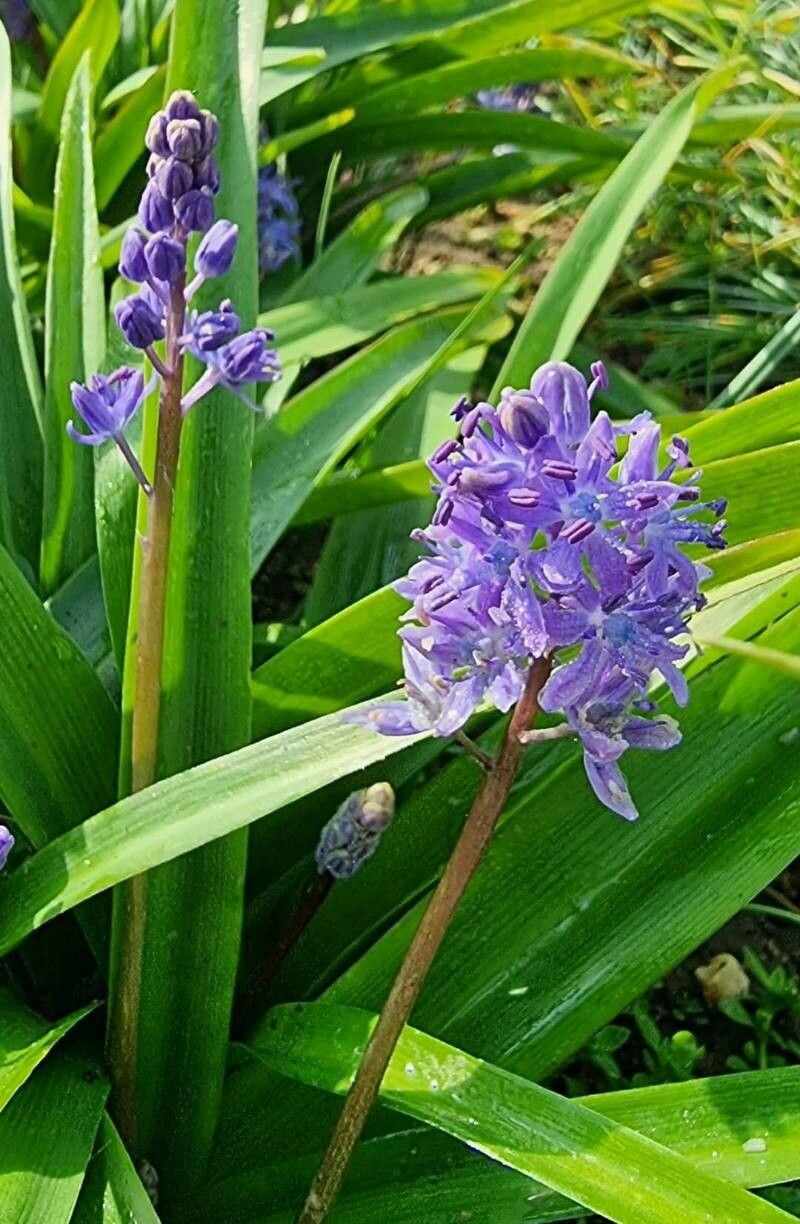
Hello there, fellow plant enthusiasts! I’m so excited to share with you a little gem from my garden that brings me immense joy every spring: Scilla albanica. Those delicate, star-shaped blooms in vibrant shades, often appearing as the snow melts, are a true harbinger of warmer days. And the best part? You can easily multiply this beauty yourself! Propagating Scilla albanica is a wonderfully rewarding journey, and I assure you, even if you’re new to the gardening scene, this is a fantastic plant to start with. It’s quite forgiving, which always makes for a happier gardener!
The Best Time to Start
For Scilla albanica, the sweet spot for propagation is late summer to early autumn. This is when the plant has finished its blooming cycle and is transitioning into dormancy in its bulbs. Taking divisions or seeds around this time gives them a good head start to establish themselves before winter truly sets in.
Supplies You’ll Need
Gathering your supplies beforehand makes the whole process much smoother. Here’s what I always have on hand:
- Sharp pruning shears or a small, clean knife: For making neat cuts.
- A good quality potting mix: I like a blend that’s well-draining, often with added perlite or coarse sand. A mix formulated for bulbs or succulents works beautifully.
- Small pots or trays: With drainage holes, of course!
- Rooting hormone (optional, but helpful): Especially for divisions.
- Watering can with a fine rose: For gentle watering.
- Labels: To keep track of your new treasures!
Propagation Methods
Scilla albanica is most commonly propagated through division of its bulbs. It’s straightforward and yields great results.
Division of Bulbs:
- Wait for dormancy: As I mentioned, late summer or early autumn is perfect. You’ll notice the foliage has yellowed and died back.
- Gently unearth the bulbs: Carefully dig around the parent plant with a trowel or hand fork. Try not to damage the bulbs. Lift the entire clump out of the soil.
- Separate the bulbs: You’ll likely see smaller bulbs (offsets) clinging to the main bulb. Gently tease these apart. If they are very tight, use your clean knife or shears to carefully cut them free, ensuring each offset has at least one small root attached.
- Inspect and trim: Remove any damaged or diseased bulb parts. You can also trim back any overly long roots, but it’s not strictly necessary.
- Plant the divisions: Fill your pots with your prepared potting mix. Plant each bulb or offset about 2-3 inches deep, depending on its size. The pointed end should face upwards. Give them a little space; they’ll grow!
- Water gently: Water the soil thoroughly until water drains from the bottom of the pot.
The “Secret Sauce” (Pro Tips)
Now, for a couple of little tricks I’ve picked up along the way that can really boost your success:
- Don’t be afraid of the bulb’s dry skin: When you’re separating the bulbs, you might see papery husks. Just peel away any loose or papery skins that are already detached. Anything that’s firmly attached can stay; it offers a little bit of natural protection.
- Give them a cool start: After planting your divisions, I like to keep the pots in a cool, bright spot. If it’s still quite warm, a slightly shaded area is good. They don’t need direct sun until they start to show new growth. And importantly, avoid overwatering! Let the soil dry out a bit between waterings. Soggy bulbs are the quickest way to rot.
Aftercare & Troubleshooting
Once your little Scilla albanica divisions are planted, patience is key!
- Watering: Keep the soil consistently moist but not waterlogged. As new growth emerges, you can gradually move them to a sunnier spot.
- Signs of success: You’ll see tiny green shoots pushing through the soil. This is your cue that all is well!
- Troubleshooting: The most common issue is bulb rot. If you notice a mushy, foul-smelling bulb, it’s a sign of too much moisture. sadly, a rotted bulb is usually beyond saving, so it’s about preventing it in the first place with good drainage and careful watering. Yellowing leaves can also happen if the plant is getting too little light or too much water.
A Bit of Encouragement
Propagating plants is like weaving a little bit of magic into your garden. Each new bulb you nurture into a blooming plant is a testament to your care and skill. Be patient with your Scilla albanica, give them the right conditions, and soon you’ll have a whole cluster of these delightful blooms to enjoy. Happy gardening, and may your new Scillas flourish!
Resource:
https://identify.plantnet.org/k-world-flora/species/Scilla%20albanica%20Turrill/data