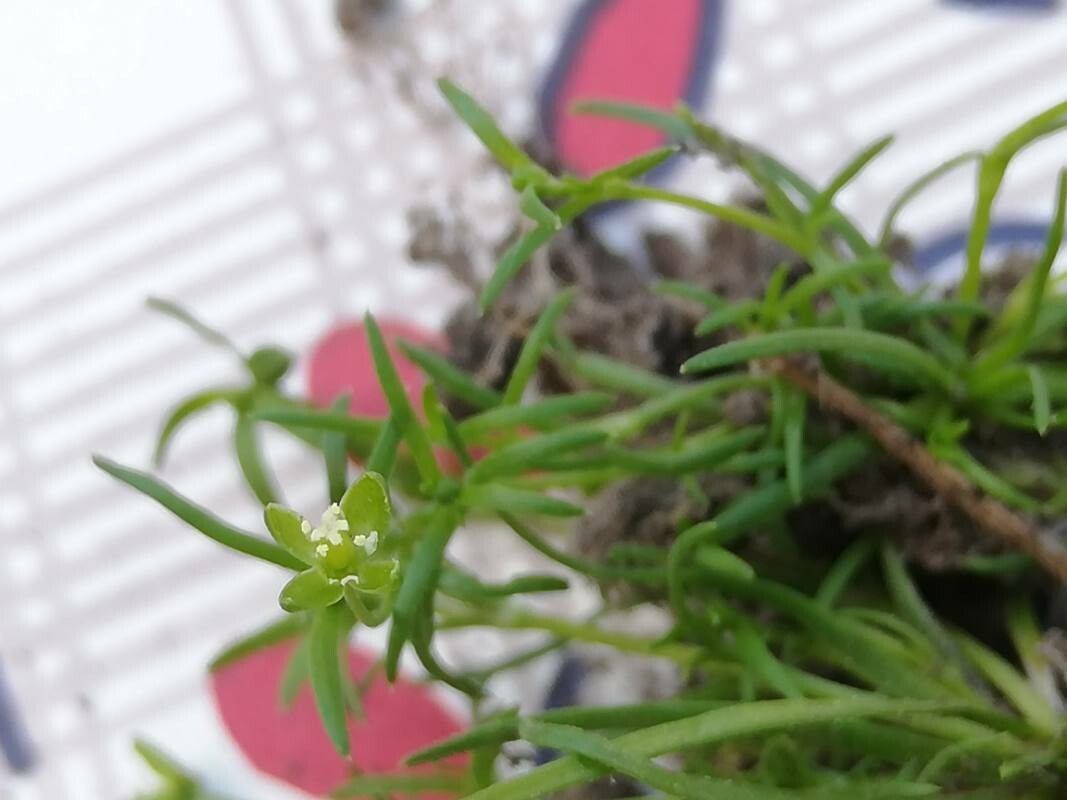
Oh, Sagina japonica! If you’ve ever admired those lush, mossy mounds carpeting shady spots or spilling over fairy garden edges, you’re in for a treat. This little gem, often called Japanese Pearlwort, is just delightful. Its tiny, bright green leaves create an unbelievably soft texture, making any garden corner feel a bit more magical. And the best part? It’s wonderfully rewarding to multiply this beauty yourself! For beginners, I’d say it’s quite forgiving, which is music to my ears. This guide will have you creating your own Sagina colonies in no time.
The Best Time to Start
When it comes to getting the most bang for your propagating buck, spring is your golden ticket. Think of it as the plant’s big awakening. As the days get longer and the chill of winter truly fades, Sagina is brimming with energy. New growth is robust and full of life, making it the perfect candidate for taking cuttings or dividing. Aim for a time when the plant is actively growing and the weather is mild and consistently warm.
Supplies You’ll Need
Gathering your tools beforehand makes the whole process smoother. Here’s what I usually have on hand:
- Sharp, clean pruning shears or a small knife: For making precise cuts.
- Potting mix: A well-draining blend is key. I often use a mix of equal parts peat moss or coco coir and perlite or vermiculite. This combination provides moisture retention without waterlogging.
- Small pots or trays: For starting your new Sagina. Old yogurt cups with drainage holes work in a pinch!
- Rooting hormone (optional but helpful): A powdered or liquid rooting hormone can give those new roots a little boost.
- Gloves: To keep your hands clean.
- Watering can or spray bottle: For gentle watering.
Propagation Methods
Sagina japonica is a trooper, and thankfully, it’s quite happy with a couple of common propagation techniques.
Stem Cuttings
This is my go-to method. Sagina practically begs to be taken from!
- Select your source: Look for healthy, non-flowering stems on your established plant. You want stems that are firm but still flexible – not woody, and not completely floppy.
- Make the cut: Using your clean shears or knife, snip off lengths of stem about 2-3 inches long. Try to include a few sets of leaves on each cutting. It’s best to make the cut just below a leaf node (where a leaf emerges from the stem).
- Prepare the cutting: Gently remove the lower leaves from about half of the cutting. This exposes the nodes, which is where new roots will form.
- Dip in hormone (optional): If you’re using rooting hormone, dip the cut end into the powder or liquid.
- Planting time: Fill your small pots with your moist potting mix. Make a small hole with your finger or a pencil, and gently insert the cut end of the Sagina stem. Firm the soil gently around it. You can plant several cuttings in one pot, giving them a little breathing room.
- Water gently: Give them a light watering to settle the soil.
Division
If your Sagina plant has grown into a dense clump, division is a fantastic way to get multiple new plants and also revitalizes the parent plant.
- Gently remove the clump: Carefully lift the entire Sagina plant from its pot or location. Brush away as much of the excess soil as you can from the roots.
- Inspect and separate: You should be able to see where the plant naturally wants to divide. You can use your fingers to gently tease apart sections of the root ball. For thicker clumps, you might need to use a clean knife to slice through the roots.
- Ensure each division has roots and shoots: Make sure each new piece you create has a healthy portion of roots and some green leafy growth.
- Replant: Pot up these divisions into their own containers with fresh potting mix, or replant them directly into your garden beds. Water them in well.
The “Secret Sauce” (Pro Tips)
After years of coaxing stubborn plants to root, I’ve learned a few tricks that really make a difference.
- Don’t let the leaves touch the water! This is crucial, especially if you decide to try water propagation for Sagina (though it’s not my top choice). If leaves sit in water, they tend to rot, which can take down your whole cutting. When you take stem cuttings, make sure any leaves are well above the soil line in their pots.
- Bottom heat is your friend: Sagina cuttings love warmth from below. Pop your pots onto a heat mat designed for seedlings or even a propagator. This gentle warmth encourages root development much faster than cool soil. It’s like tucking them into a cozy bed for the night.
- Humidity is key, but not drowning: While they need consistent moisture, Sagina cuttings don’t like to be waterlogged. I find covering the pots with a clear plastic bag or a propagator lid helps maintain humidity around the cuttings without making the soil soggy. Just make sure to vent the cover occasionally to prevent mold.
Aftercare & Troubleshooting
Once your Sagina cuttings have rooted (you’ll often see new growth emerge), they’re essentially miniature plants ready to be pampered.
- Gradual acclimatization: If you’ve covered your pots, slowly introduce your new Sagina to the open air over a few days. This helps them adjust to lower humidity.
- Light needs: Keep them in bright, indirect light. Direct sun can scorch their delicate new leaves.
- Watering: Continue to water when the top layer of soil feels dry to the touch. They like consistent, but not soggy, moisture.
- Signs of trouble: The most common issue is rot. If you see mushy stems or leaves turning brown and falling off rapidly, it’s usually a sign of too much moisture. Sadly, you might have to discard those cuttings and re-evaluate your watering and drainage. Another sign of stress can be wilting, which could be due to lack of water or too much direct sun.
A Encouraging Closing
Growing new Sagina japonica plants is such a joyful endeavor. It’s a tangible way to connect with nature and expand the beauty in your garden. Don’t get discouraged if a few don’t make it. Every gardener has had their share of propagations that went sideways! Be patient, observe your little green charges, and enjoy the process of nurturing them into thriving new plants. Happy propagating!
Resource:
https://identify.plantnet.org/k-world-flora/species/Sagina%20japonica%20(Sw.)%20Ohwi/data