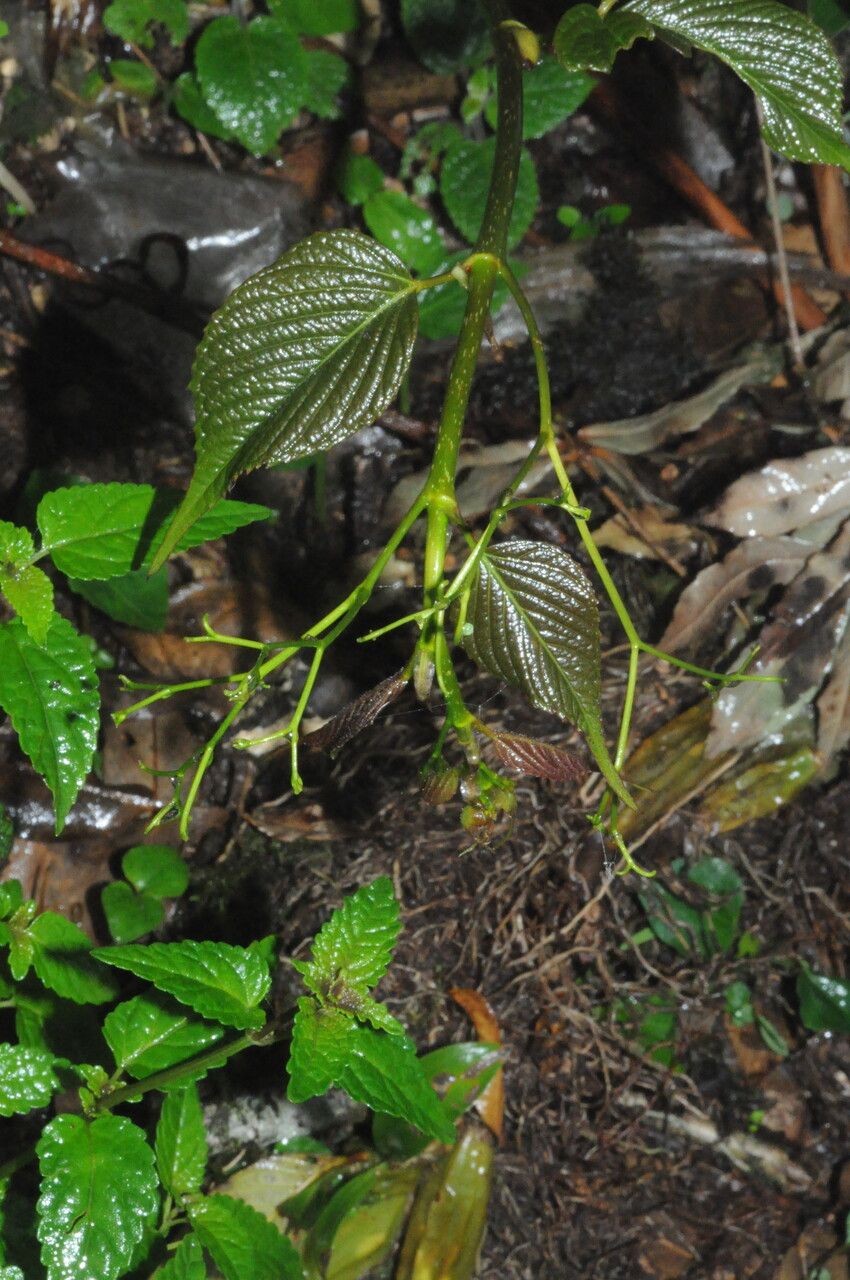
Oh, hello there! Grab a mug, settle in. Today, we’re diving into the wonderful world of multiplying one of my favorite climbers: Parthenocissus semicordata, also known as the Himalayan Star Creeper. If you’ve ever admired its vibrant autumn color and vigorous growth, you’re in luck. Propagating this beauty yourself is not only incredibly rewarding, but I’m happy to say, it’s quite beginner-friendly! It’s like getting a whole new plant for the price of a little effort, and you get to watch that tiny cutting transform into something spectacular.
The Best Time to Start
For the highest success rate with Parthenocissus semicordata, I always recommend working with semi-hardwood cuttings. This means waiting until the plant has finished its initial flush of vigorous spring growth but before the stems have become too woody. Think late summer to early autumn. The stems should be flexible but starting to feel firm when you snap them. This stage gives you the best balance of energy for rooting and resilience against drying out.
Supplies You’ll Need
Gathering your supplies beforehand makes the whole process smoother. Here’s what I recommend having on hand:
- Sharp Pruning Shears or a Clean Knife: Essential for making clean cuts.
- Rooting Hormone: While not strictly necessary for Parthenocissus semicordata (they’re pretty eager rooters!), it can give them an extra boost. I like a powder or gel.
- Well-Draining Potting Mix: A good blend is crucial. I usually mix equal parts peat moss or coco coir with perlite or coarse sand. This prevents waterlogging.
- Small Pots or Trays: Clean containers with drainage holes are a must.
- Plastic Bags or a Propagator: To create a humid environment for your cuttings.
- Dibber or Pencil: For making holes in the soil.
- Watering Can or Spray Bottle: For gently watering.
Propagation Methods
Parthenocissus semicordata is a generous plant, and it’s quite happy to be propagated from stem cuttings. It’s my go-to method because it’s straightforward and effective.
Taking Stem Cuttings:
- Select Your Material: Look for healthy, vigorous stems on your parent plant. You want lengths that are about 6-8 inches long.
- Make the Cut: Using your sharp pruning shears, make a clean, angled cut just below a leaf node (where a leaf attaches to the stem). This is where roots are most likely to form.
- Prepare the Cutting: Remove the leaves from the bottom two-thirds of the cutting. If you have very large leaves lower down, you can even cut the remaining ones in half horizontally to reduce water loss.
- Apply Rooting Hormone (Optional): Dip the cut end into your rooting hormone, tapping off any excess.
- Pot Them Up: Fill your small pots with your prepared potting mix. Make a hole with a dibber or pencil, then gently insert the cutting, firming the soil around it. Make sure at least one or two leaf nodes are buried beneath the soil surface.
- Water Gently: Water the soil thoroughly until you see water drain from the bottom.
- Create Humidity: Cover the pot loosely with a clear plastic bag or place it in a propagator. This creates a humid microclimate that prevents the cuttings from drying out while they try to root. Place them in a bright spot but out of direct sunlight.
The “Secret Sauce” (Pro Tips)
After years of tinkering, I’ve learned a few little tricks that can really make a difference.
- Don’t Let Leaves Touch the Water: If you decide to try water propagation (which works, but I find soil is more robust), ensure no leaves are submerged below the water’s surface. Any submerged foliage will rot and can infect the stem.
- The Magic of Bottom Heat: For even faster rooting, especially if your house is on the cooler side, a heated propagator or a seedling heat mat placed underneath your pots can be a game-changer. It encourages root development from below, giving your cuttings the warmth they crave.
- The “Scratch Test”: Periodically, you can gently scratch a tiny bit of the outer bark off the stem just above the soil line. If you see green underneath, the cutting is still alive and working on rooting. If it’s brown and dry, unfortunately, it’s likely a goner.
Aftercare & Troubleshooting
Patience is key here! It can take anywhere from 4 to 8 weeks for your cuttings to develop a good root system. You’ll know they’re ready when you feel a slight resistance when you gently tug on the cutting, or when you see new leafy growth appearing.
Once roots have formed, carefully remove the plastic bag if you were using one. Continue to keep the soil consistently moist but not soggy. As the new plants grow, you can gradually transplant them into larger pots if needed.
The most common issue you might encounter is rot. If your cuttings start looking black, mushy, or are falling over, it’s usually a sign of too much moisture and not enough air circulation. To prevent this, ensure your potting mix is airy and don’t overwater. If you catch it early, you might be able to save a cutting by taking a fresh one from a healthier part of the stem.
A Little Encouragement
So there you have it! Propagating Parthenocissus semicordata is a wonderfully accessible way to expand your garden, share with friends, or simply enjoy the satisfaction of growing your own plants from scratch. Don’t be discouraged if every single cutting doesn’t make it – that’s perfectly normal in gardening. Just try again, learn from what happened, and enjoy the process. Happy propagating!
Resource: