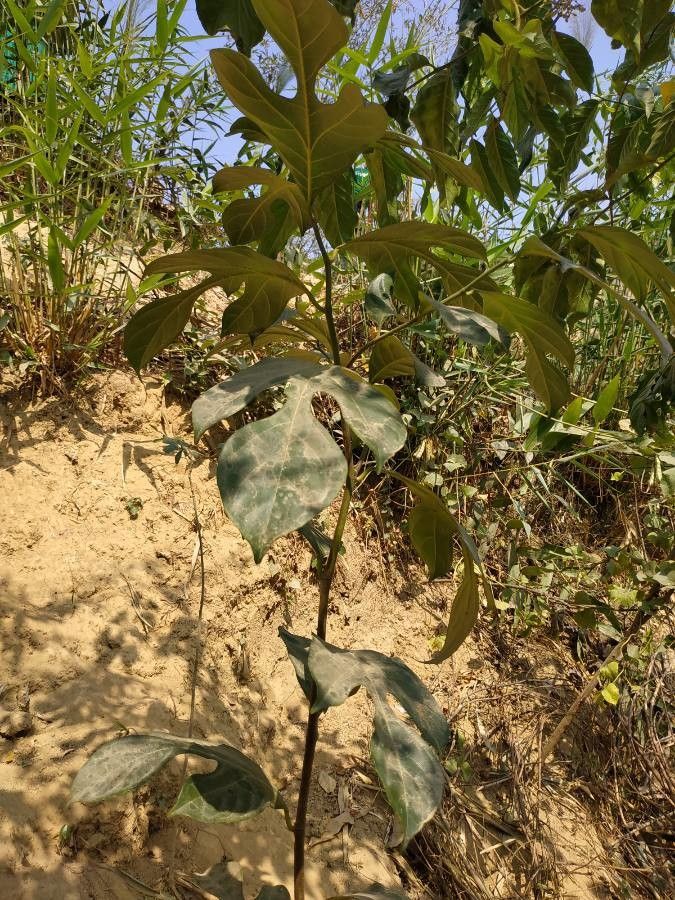
Hey there, fellow plant enthusiasts! Today, we’re diving into the wonderful world of propagating Artocarpus chama, also known as the Wild Jackfruit or Jungle Jack. I’ve spent two decades getting my hands dirty, and let me tell you, coaxing new life from this beautiful tree is incredibly satisfying. Its lush foliage and the promise of future fruit make it a real gem to have in the garden. Now, if you’re wondering if this is a beginner-friendly plant to propagate, I’d say it’s moderately challenging. It’s not quite as forgiving as some houseplants, but with a little attention to detail, you’ll be rewarded with new plants.
The Best Time to Start
For the highest success rate with Artocarpus chama, I always recommend propagating during its active growing season. This typically means late spring through summer. You’re looking for softwood or semi-hardwood cuttings – these are more flexible and have a better chance of rooting than older, woody stems. You want the plant to be full of life and energy, ready to put out those new roots!
Supplies You’ll Need
Gathering your tools beforehand makes the whole process smoother. Here’s what I usually have on hand:
- Sharp Pruning Shears or a Clean Knife: For taking cuttings without damaging the parent plant.
- Potting Mix: A well-draining mix is crucial. I often use a blend of peat moss, perlite, and a little bit of compost. You can also find specific succulent or cactus mixes that work well.
- Rooting Hormone: This isn’t strictly necessary, but it can give your cuttings a real boost and increase your chances of success. Look for one containing IBA (indole-3-butyric acid).
- Small Pots or Seedling Trays: With drainage holes, of course!
- Clear Plastic Bags or a Propagation Dome: To create a humid environment for your cuttings.
- Spray Bottle: For misting.
- Labeling Stakes: To keep track of what you’ve planted and when.
Propagation Methods
My go-to method for Artocarpus chama is using stem cuttings. It’s the most efficient way to get multiple new plants from a single mother plant.
- Select Your Cuttings: Choose healthy stems that are about 6-8 inches long. Look for stems that have just started to firm up a bit – not completely floppy, but not hard and woody either. You want at least two or three leaf nodes (the little bumps on the stem where leaves emerge) on each cutting.
- Prepare the Cuttings: Using your sharp shears or knife, make a clean cut just below a leaf node. Remove the lower leaves, leaving just two or three at the top. This reduces water loss and prevents leaves from rotting in the soil.
- Apply Rooting Hormone (Optional but Recommended): Dip the cut end of the stem into your rooting hormone powder. Tap off any excess.
- Plant Your Cuttings: Fill your small pots with your prepared potting mix. Make a hole in the center with your finger or a pencil, about an inch deep. Gently insert the cutting into the hole, ensuring the leaf nodes you removed are below the soil line. Firm the soil gently around the cutting to ensure good contact.
- Create a Humid Environment: Water the soil lightly. Then, cover the pot with a clear plastic bag or place it under a propagation dome. If you’re using a bag, you can use stakes to keep it from touching the leaves. The goal is to trap humidity, which is vital for cuttings to root.
The “Secret Sauce” (Pro Tips)
Over the years, I’ve learned a few tricks that make a big difference.
- Bottom Heat is Your Friend: If you can, place your pots on a heat mat. This gentle warmth from below encourages root development much faster. I find it’s a game-changer, especially in cooler environments.
- The Gentle Mist: Don’t drown your cuttings, but mist them regularly (every couple of days, or if the soil looks dry). This keeps the leaves hydrated while they’re trying to form roots. You’ll also want to open up the plastic bag for a few minutes each day to allow for some air circulation and prevent fungal issues.
- Don’t Crowd Your Pot: Give each cutting a little space in its pot. Overcrowding can lead to competition for resources and increased risk of disease spreading.
Aftercare & Troubleshooting
Once your cuttings have been planted, patience is key! Keep them in a bright, indirect light location. Avoid direct sun, which can scorch those tender new leaves. You’ll want to check for roots after about 4-8 weeks. You can gently tug on a cutting; if you feel resistance, it’s likely rooting. Once they have a good root system, you can gradually acclimate them to less humidity before repotting into larger containers.
The most common sign of failure is rot. If your cutting turns mushy, black, or develops fuzzy mold, it’s probably too late for that particular cutting. This is usually due to too much moisture and not enough air circulation. If you see signs of rot, remove the affected cutting immediately to prevent it from spreading. Wilting without any signs of rot might mean the environment is too dry, or the cutting simply hasn’t developed enough roots to support its foliage yet.
A Encouraging Closing
Propagating plants is a journey, and like any good journey, it has its ups and downs. Don’t get discouraged if your first attempts aren’t perfect. Every cutting you try is a learning experience. Be patient, observe your new little plant babies, and enjoy the incredible feeling of nurturing life. Happy propagating!
Resource:
https://identify.plantnet.org/k-world-flora/species/Artocarpus%20chama%20Buch.-Ham./data