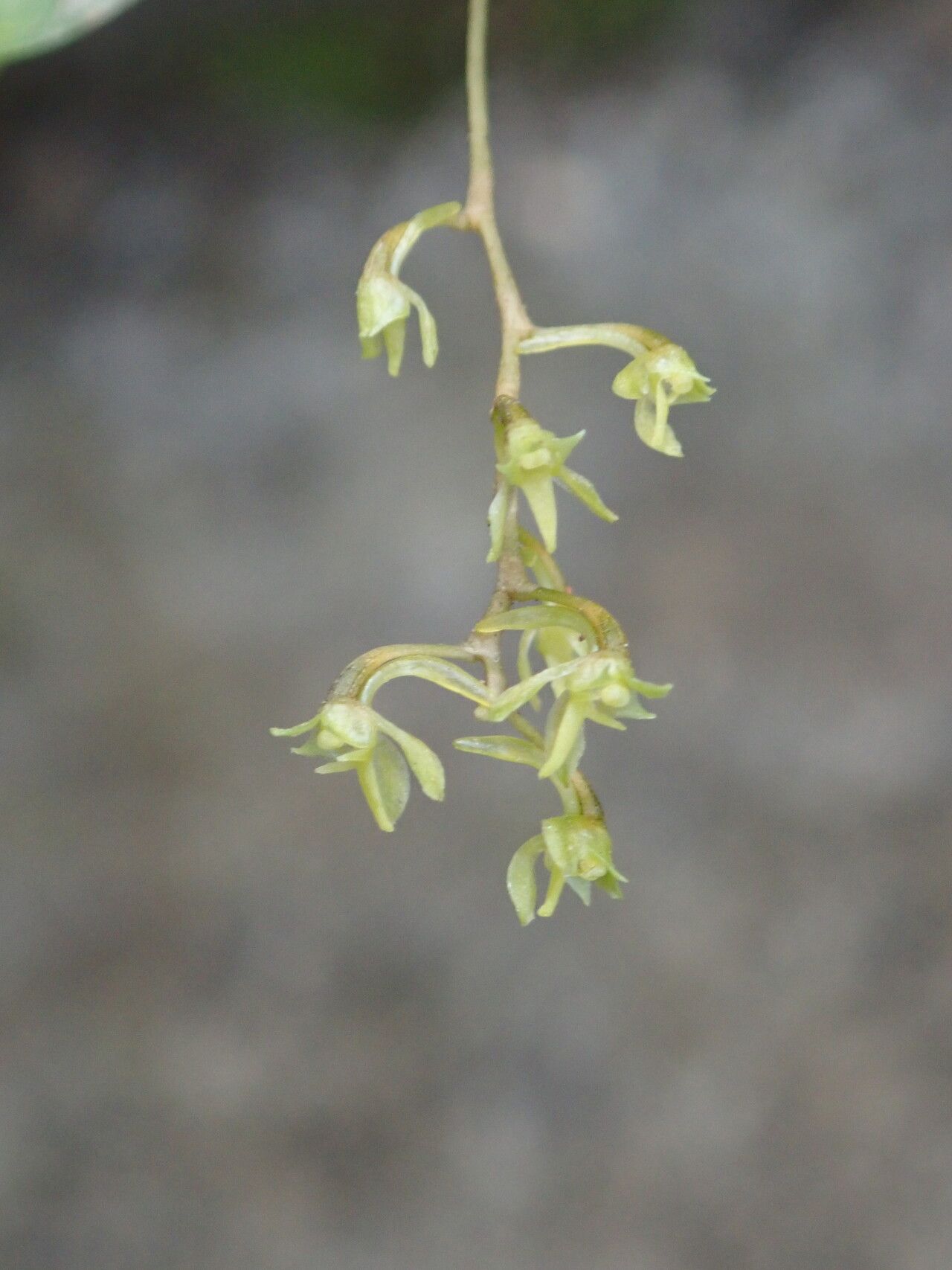
Hello fellow plant lovers! Today, I’m thrilled to guide you through the delightful process of propagating Angraecopsis elliptica. This little orchid is such a gem, with its dainty, star-shaped flowers that bring a touch of the tropics right into your home. Watching a new plant emerge from a seemingly simple cutting is one of life’s little gardening miracles, and I truly believe anyone can experience it with this lovely species. While orchids can sometimes feel intimidating, Angraecopsis elliptica is surprisingly forgiving, making it a fantastic plant to start your orchid propagation journey with.
The Best Time to Start
When it comes to Angraecopsis elliptica, timing is definitely a key player. The absolute best time to embark on this propagation adventure is during its active growing season. For most folks, this means spring and early summer. You’ll notice the plant is producing new leaves and possibly even flower spikes. This vigorous growth means it has plenty of energy to dedicate to forming new roots and establishing itself as an independent plant. Trying to propagate when the plant is dormant or stressed is just asking for a struggle.
Supplies You’ll Need
Gathering your supplies before you dive in makes the whole process smoother. Here’s what I recommend having on hand:
- Sterilized pruning shears or a sharp knife: Cleanliness is paramount to prevent the spread of disease.
- Orchid bark mix: A well-draining mix is crucial. I like a blend that’s about 70% bark and 30% perlite or sphagnum moss.
- Small pots or net pots: Just big enough for the young plant.
- Sphagnum moss: Great for retaining humidity.
- Rooting hormone (optional but recommended): This can give your cuttings a little boost.
- Clear plastic bags or a mini-greenhouse: To create a humid environment.
- Water: Distilled or rainwater is best.
Propagation Methods: Division is Key
For Angraecopsis elliptica, the most successful and common method for propagation is division. This orchid tends to grow in clumps, and separating these clumps into smaller, viable pieces is the way to go.
- Gently remove the plant from its pot. You might need to squeeze the pot slightly or run a thin knife around the edge if it’s really stuck. You want to disturb the roots as little as possible.
- Inspect the root ball. Look for natural divisions where new growth (keikis or pseudobulbs with leaves) is attached to the main plant by healthy roots.
- Carefully separate the divisions. Using your sterilized shears or knife, cut or pull apart the clumps. Aim to have at least two to three healthy pseudobulbs and a good set of roots on each division. It’s okay if a few roots break; it happens!
- Trim any damaged roots. If you see any mushy or dark roots, snip them off with your clean shears.
- Allow the divisions to callus (optional but good practice). Let the cut surfaces dry and form a protective layer for a few hours, or even overnight, in a dry, airy spot. This helps prevent rot.
- Pot your new divisions. Fill your small pots with your well-draining orchid bark mix. Gently place each division into a pot, ensuring the roots are spread out. You can add a little sphagnum moss around the base to help retain some moisture.
- Water sparingly at first. Just dampen the mix. The goal is to avoid waterlogged conditions while the new division settles in.
The “Secret Sauce” (Pro Tips)
After years of nurturing these beauties, here are a few little tricks that have made a world of difference for me:
- Don’t overwater after dividing. Seriously, this is where most new propagators go wrong. The new plant doesn’t have the robust root system of a mature one, so it can’t handle a lot of moisture. Let the potting medium almost dry out between waterings.
- Humidity is your best friend. Once potted, pop the new divisions into a clear plastic bag, leaving it slightly open for air circulation, or place them in a mini-greenhouse. This creates a humid microclimate that encourages root development. You can also mist the humidity dome (not the plant directly) if you have one.
- Bottom heat can work wonders. If you have a seedling heat mat, placing your pots on it can significantly speed up root formation. A gentle warmth from below mimics the conditions of its natural habitat and gives your new plant a real head start. Just make sure it doesn’t dry out the potting medium too quickly.
Aftercare & Troubleshooting
Once you see signs of new growth – usually a tiny white nub emerging from the base or a new leaf unfurling – you know your division is happy. Gradually increase your watering as the root system develops, and Slowly acclimate it to drier air by opening the plastic bag or greenhouse lid a bit more each day over a week or two.
The most common issue you might encounter is rot. If you see a pseudobulb turning black and mushy, it’s usually a sign of too much moisture and poor air circulation. If caught early, you might be able to trim away the rotted parts, dust the healthy section with a fungicide, and try to repot it in drier medium. Unfortunately, if it’s extensive, the division may not recover. Don’t be discouraged by this; it’s a learning curve for all of us!
A Little Patience Goes a Long Way
Propagating Angraecopsis elliptica is a wonderfully rewarding experience. It takes a bit of patience, a keen eye, and a willingness to learn from each attempt. Don’t get disheartened if your first try isn’t perfect. Enjoy the process, celebrate each little victory – like that first hint of a new root! Happy growing!
Resource:
https://identify.plantnet.org/k-world-flora/species/Angraecopsis%20elliptica%20Summerh./data