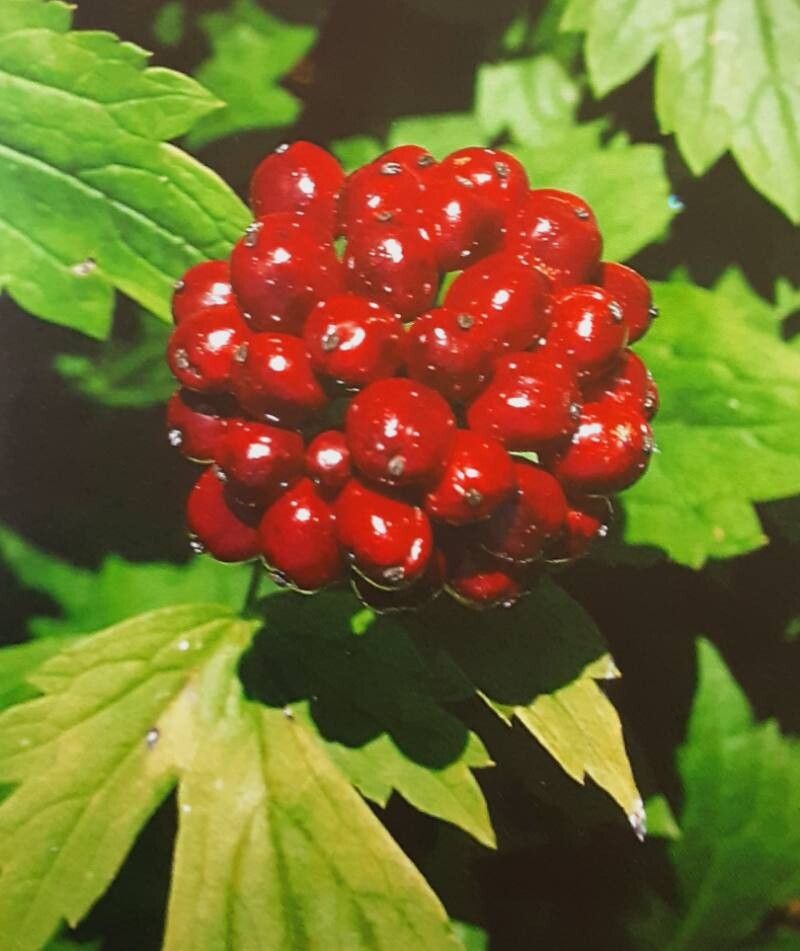
Hello, plant lovers! I’m thrilled to share a little horticultural secret with you today: how to multiply the enchanting Red Baneberry, or Actaea rubra. If you’ve ever admired its delicate white flower spikes followed by those striking, jewel-like red berries, you know how special this woodland native is. And the best part? Propagating it is absolutely doable! While it might not be the very first plant I’d hand to a brand-new gardener, it’s certainly a rewarding project for those with a bit of experience under their belt and a desire to bring more beauty into their garden.
The Best Time to Start
For Actaea rubra, early spring is your golden window. Think of it as waking up from its winter nap. This is when the plant’s energy is geared towards new growth, making it the perfect time to take cuttings or divide existing clumps. Waiting until after the plant has flowered and set its berries in late summer or fall is also an option, but you might find you have a bit less vigor to work with then.
Supplies You’ll Need
Gathering your tools beforehand makes the whole process so much smoother. Here’s what I always have on hand:
- Sharp, clean pruning shears or a sharp knife: Essential for making clean cuts that heal well.
- Perlite: For excellent drainage.
- Peat moss or coco coir: To hold moisture.
- Potting soil: A good quality, well-draining potting mix. I like to create my own blend.
- Small pots or trays: Clean ones are a must!
- Rooting hormone (optional but recommended): This really gives cuttings a boost.
- Watering can or mister: Gentle watering is key.
- Plastic bags or a propagation dome (optional): To create a humid microclimate.
- Labels: So you don’t forget what you planted where!
Propagation Methods
Actaea rubra is most successfully propagated through division. It’s a tried-and-true method that mimics what nature does.
Division: The Gardener’s Best Friend
- Dig Gently: In early spring, before new shoots get too tall, carefully dig up your Actaea rubra plant. Use a trowel or garden fork, working your way around the plant to loosen the soil. You want to lift the entire root ball with minimal damage.
- Inspect the Roots: Gently shake off some of the excess soil. Look for distinct sections of the plant. You’ll want to see where the crowns (the leafy tops) emerge from the roots.
- Separate the Divisions: This is where your hands or a clean, sharp tool comes in. You can often gently pull the plant apart at the root crown. If the roots are tangled, use your knife or trowel to cut through them, ensuring each division has at least a few healthy roots and one or two visible buds or shoots.
- Pot Them Up: Prepare your pots with your well-draining soil mix. I typically use a 50/50 blend of potting soil and perlite. Place a division in each pot, ensuring the top of the root ball is about an inch below the soil surface. Water them thoroughly.
The “Secret Sauce” (Pro Tips)
Here are a couple of things I’ve learned over the years that make a real difference:
- Don’t Over-Water Early On: After dividing, it’s tempting to drown your new divisions. Resist! Keep the soil consistently moist, but not soggy, especially in the first few weeks. Overwatering is the quickest way to invite rot.
- Think “Understory” Conditions: Actaea rubra loves the dappled shade of a forest floor. When propagating, try to mimic this. Place your pots in a bright location but out of direct, scorching sun. If you’re using cuttings (which I find less reliable for this specific plant, but some try), avoid letting the leaves touch the water if you’re water propagating.
Aftercare & Troubleshooting
Once your divisions are potted, place them in a shady spot. Water them whenever the top inch of soil feels dry. You should start to see new growth emerging within a few weeks.
The most common issue you might encounter is rot. If you see your divisions looking limp and mushy, or the soil is constantly saturated and the plant is failing, it’s likely due to too much moisture. You’ll want to pull the affected plant out, inspect the roots, and repot in fresh, drier soil if there’s any salvageable root material. It’s tough, but sometimes we have to accept that not every cutting or division makes it.
A Encouraging Closing
Propagating plants is a journey, not a race. It requires a bit of patience and observation. Don’t get discouraged if your first attempts aren’t perfect. Each experience teaches you something new. Enjoy the process of bringing more of these beautiful Red Baneberries into your garden – it’s a truly rewarding endeavor!
Resource:
https://identify.plantnet.org/k-world-flora/species/Actaea%20rubra%20(Aiton)%20Willd./data