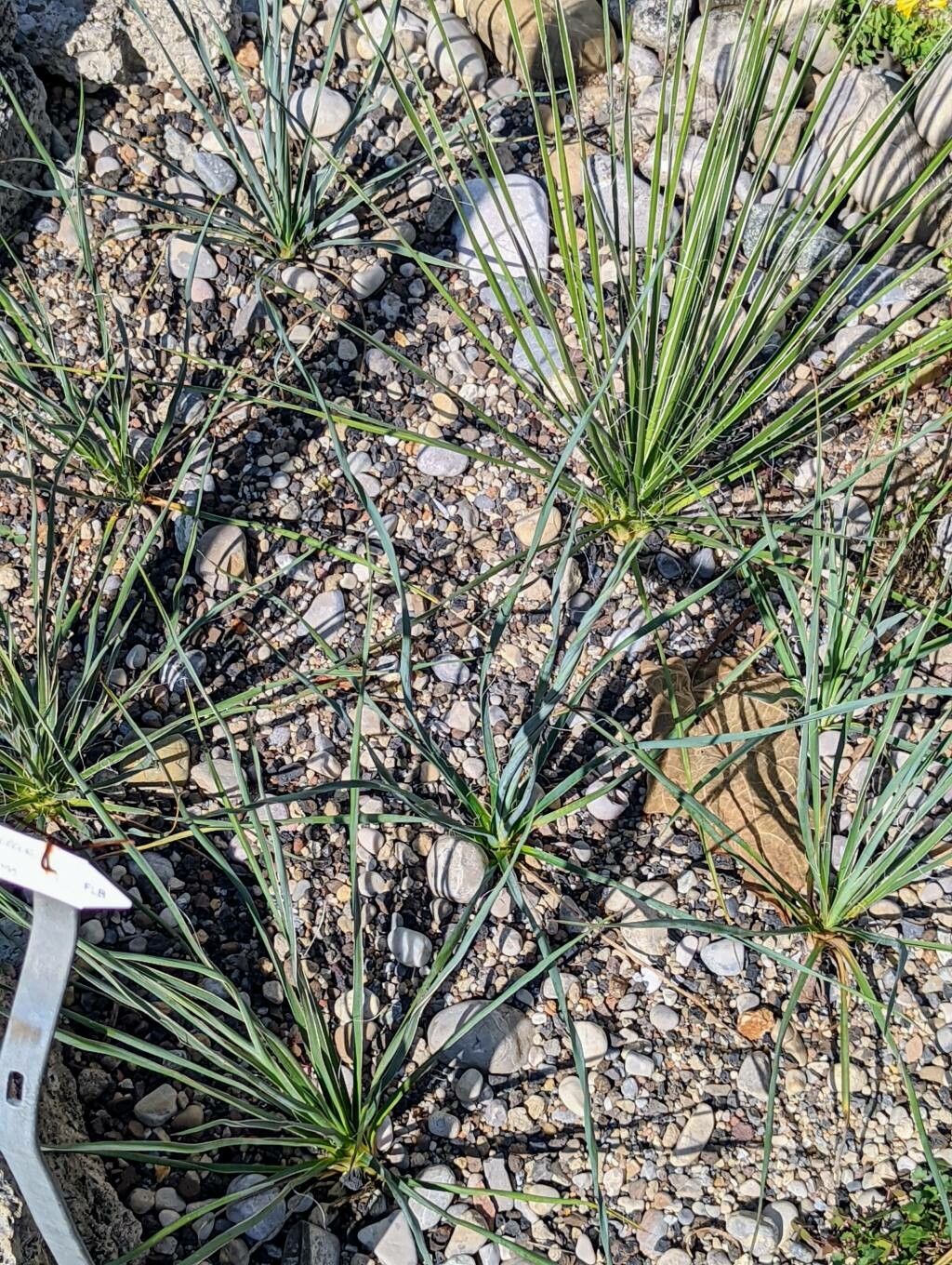
Oh, hello there! Have you ever admired those striking, architectural beauties, the Yucca elata? With their rosette of spiky leaves and tall, elegant flower stalks, they bring a touch of the desert to any garden. And guess what? Bringing more of these magnificent plants into your life is absolutely doable, and so incredibly rewarding. I’ve been coaxing new life from my Yucca elata for years now, and I’m so excited to share how you can too. For beginners, I’d say it’s moderately easy – with a little patience and the right approach, you’ll be well on your way.
The Best Time to Start
When it comes to Yucca elata, spring is your golden ticket. As the weather warms up and the plant is gearing up for active growth, it’s the perfect time to take cuttings or divide. Aim for a period after the last frost, when the days are getting longer and brighter. This gives your new propagations the best chance to establish themselves before cooler weather sets in.
Supplies You’ll Need
Before we dive in, let’s gather our tools. Having everything ready makes the whole process smoother, trust me!
- Sharp Pruning Shears or a Clean Knife: For making clean cuts.
- Well-Draining Potting Mix: A cactus/succulent mix is ideal, or you can amend regular potting soil with plenty of perlite or coarse sand.
- Pots with Drainage Holes: Essential for preventing waterlogged roots.
- Rooting Hormone (Optional but Recommended): Especially for stem cuttings.
- Gloves: Those yucca leaves can be sharp!
- Watering Can or Spray Bottle: For gentle hydration.
- Small Trowel (for division): To help separate roots.
Propagation Methods
Yucca elata offers a couple of fantastic ways to increase your stock. My personal favorite is division, but stem cuttings are also very effective.
Division: The Most Reliable Method
This is probably the easiest and most successful way to propagate Yucca elata, especially as they tend to send up offsets (baby plants) around their base.
- Gently Excavate: In the spring, carefully dig around the base of your mature Yucca elata. You’re not trying to remove the whole plant, just to expose the soil around its root ball and any pups you see.
- Identify and Separate: Look for smaller plants that have emerged from the base of the main plant. You want to find divisions that already have their own root system.
- Make the Cut (if needed): If the pup is still firmly attached, you may need to use your clean trowel or knife to gently sever the connection, ensuring you get as many roots as possible with the pup. Sometimes, they’ll pull away easily with a good tug.
- Pot Them Up: Immediately pot each division into its own container filled with your well-draining soil mix. Water lightly to settle the soil.
- Wait and Watch: Keep the pots in a bright, indirect light location. Water sparingly, only when the soil has dried out completely.
Stem Cuttings: For an Extra Challenge
This method is a bit more involved but can be very rewarding when successful.
- Select a Healthy Stem: Choose a mature, vigorous plant. Look for a side shoot or a section of the main stem that’s at least 6-8 inches long and has firm, healthy leaves. You can often find these along the main trunk if the plant has grown tall.
- Make a Clean Cut: Using your sharp pruning shears or knife, cut the stem cleanly. If you’re taking a section of the main trunk, try to get a chunk that has a few leaves attached.
- Prepare the Cutting: Remove any leaves from the bottom half of the cutting. If you’ve taken a piece of trunk, make sure you have some upward-pointing leaves.
- Callus Over: This is crucial! Let the cut end of the stem sit in a dry, airy spot for a few days, or even a week, until the cut surface has dried and calloused over. This prevents rot when you plant it.
- Apply Rooting Hormone (Optional): Dip the calloused end into rooting hormone powder, tapping off any excess.
- Plant the Cutting: Insert the calloused end about 2-3 inches deep into a pot of well-draining soil. You can plant several cuttings in one pot, spaced a few inches apart.
- Initial Watering: Water lightly.
The “Secret Sauce” (Pro Tips)
Now, for a few little tricks I’ve learned over the years. These small adjustments can make a big difference!
- Bottom Heat for Cuttings: If you’re trying stem cuttings and want to give them a real boost, place the pot on a seedling heat mat. This gentle warmth from below encourages root development much faster.
- Don’t Overwater New Cuttings: Honestly, this is where most people go wrong. Yucca elata are desert dwellers, and their cuttings can rot if they sit in soggy soil. Let them dry out almost completely between waterings. A gentle misting of the leaves might be okay once in a while, but focus your watering efforts on the soil.
- Patience is Key with Callousing: Seriously, don’t rush the callousing step for stem cuttings. It feels counterintuitive to leave a plant part lying around, but that dry barrier is your best defense against fungal diseases and rot.
Aftercare & Troubleshooting
Once your propagations have started to root (you might see new growth or feel a slight tug when you gently pull on a cutting), it’s time for the next phase.
- Gradual Acclimation: Once roots are established, you can gradually introduce your new Yucca elata to more direct sunlight.
- Watering Routine: Continue to water sparingly, allowing the soil to dry out between waterings. They are far more forgiving of underwatering than overwatering.
- Signs of Rot: The most common sign of failure is rot. You’ll notice your cutting becoming soft, mushy, or discolored, often with a foul smell. If you see this, it’s usually best to discard the affected piece to prevent it from spreading. This is almost always due to too much moisture.
- No Growth? Be Patient! If you don’t see much happening for a few weeks, don’t despair. Yucca elata are not the fastest propagators. As long as the leaves look healthy and the stem feels firm, it’s likely still working on its roots beneath the soil.
A Final Thought
Propagating Yucca elata is a wonderfully satisfying way to multiply these stunning plants. It connects you with the natural rhythm of growth and gives you the joy of creating something beautiful from something you already love. So grab your shears, get your hands a little dirty, and embrace the process. Be patient, observe closely, and enjoy watching your new Yucca elata thrive!
Resource:
https://identify.plantnet.org/k-world-flora/species/Yucca%20elata%20(Engelm.)%20Engelm./data