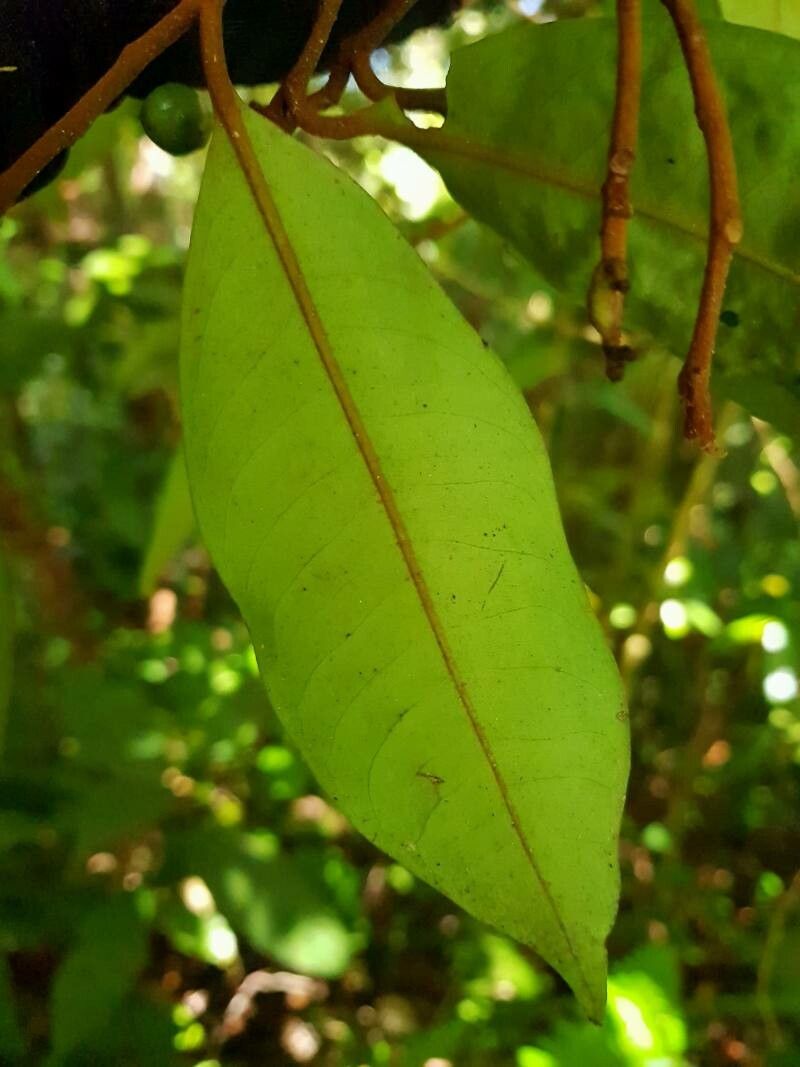
Oh, hello there! Come on in and grab a mug. Today, we’re diving into the wonderful world of Ardisia liesneri, a truly charming plant that often flies a bit under the radar. If you’ve ever admired its glossy, dark green leaves and those delightful clusters of coral-red berries, you’re in for a treat. Propagating it yourself is incredibly satisfying – it’s like having a little magician up your sleeve, turning one beautiful plant into many! Now, for the big question: is it a beginner-friendly project? I’d say it’s moderately easy. You might encounter a hiccup or two, but with a little care and attention, you’ll be well on your way.
The Best Time to Start
My absolute favorite time to get started with propagating Ardisia liesneri is during the spring and early summer. This is when the plant is in its most vigorous growth phase. New shoots are unfurling, and the energy is just buzzing through the plant. This makes cuttings more likely to root successfully. Trying it in the depth of winter, when everything is slowing down, can be a bit of a gamble, so let’s aim for those warmer, brighter months.
Supplies You’ll Need
Gathering your tools before you start is half the battle won, I always think! Here’s what you should have ready:
- Sharp Pruning Shears or a Craft Knife: Clean, sharp tools are crucial for making clean cuts.
- Potting Mix: A well-draining mix is key. I like using a blend of equal parts peat moss or coco coir, perlite, and a bit of compost. If you’re feeling fancy, a pre-made cactus or succulent mix can also work wonders.
- Small Pots or Propagation Trays: Whatever you’ve got that can hold your cuttings and mix.
- Rooting Hormone (Optional but Recommended): This little powder or gel gives cuttings a significant boost, encouraging faster and stronger root development. I find it really makes a difference.
- Watering Can or Spray Bottle: For gentle watering.
- Plastic Bags or a Clear Dome: To create a humid environment for your cuttings.
- Labels and a Marker: Trust me, you’ll thank yourself later for knowing what’s what!
Propagation Methods
Ardisia liesneri is quite versatile in how it can be propagated. I find two methods work best: stem cuttings and division.
Stem Cuttings: My Go-To Method
This is probably the most common way to make more Ardisia.
- Take Your Cuttings: With your clean shears, select a healthy, non-flowering stem from your parent plant. You’re looking for a piece that’s about 4-6 inches long, ideally with at least two sets of leaves. Make a clean cut just below a leaf node (where a leaf attaches to the stem).
- Prepare the Cuttings: Gently remove the lower leaves from the cutting, leaving just the top 1-2 sets. This prevents them from rotting in the soil.
- Apply Rooting Hormone (If Using): Dip the cut end of the stem into your rooting hormone, tapping off any excess.
- Plant Them Up: Fill your small pots or trays with your prepared potting mix. Make a hole in the center with your finger or a pencil, and insert the cutting so the leaf nodes are buried. Gently firm the soil around the stem.
- Water Gently: Water the soil thoroughly but gently. You don’t want to disturb the cuttings.
- Create Humidity: Cover the pots with a plastic bag or prop up a clear dome over them. Make sure the leaves don’t touch the plastic. You want to create a mini greenhouse effect. Place them in a spot with bright, indirect light.
Division: For Established Plants
If your Ardisia liesneri has become quite bushy and has multiple stems originating from the base, division is a great option.
- Gently Remove from Pot: Carefully take the entire plant out of its pot. You might need to loosen the soil around the edges.
- Find the Divisions: Look for natural breaks where the root system divides. You want to separate sections that each have a decent amount of roots and at least one healthy shoot.
- Separate with Care: Gently pull the root balls apart. If they’re a bit stubborn, you might need to use a clean knife or spade to slice through a portion of the roots. The goal is to minimize damage to the roots.
- Repot: Pot each division into its own container with fresh potting mix, just as you would a regular potted plant. Water them in well.
The “Secret Sauce” (Pro Tips)
I’ve learned a thing or two over the years, and here are a few tricks up my sleeve for Ardisia liesneri:
- Bottom Heat is Your Friend: If you’re serious about getting cuttings to root, a seedling heat mat can be a game-changer. It provides gentle warmth to the soil, mimicking spring conditions and encouraging faster root formation. Keep it on for a few hours a day, or continuously if your climate is cool.
- Don’t Drench, Just Dampen: It’s so tempting to douse your cuttings, but overwatering is the quickest way to rot them out. The goal is to keep the soil consistently moist, but not soggy. A good rule of thumb is to water when the top inch of soil feels dry to the touch.
- Patience, Young Grasshopper: Ardisia liesneri can be a bit slow to root, especially from cuttings. Don’t get discouraged if you don’t see new growth for several weeks. Gently tug on a cutting; if you feel resistance, it means roots are forming! Resist the urge to constantly dig them up to check.
Aftercare & Troubleshooting
Once you see those first signs of new growth – a tiny leaf unfurling or the cutting resisting a gentle tug – you’re on the right track!
- Acclimatize Slowly: Once roots are established (usually after 4-8 weeks), you can gradually remove the humidity cover. Start by taking it off for a few hours each day, increasing the time until you can remove it completely. This helps the new plant adjust to your home’s humidity levels.
- Watering: Continue to water when the top inch of soil is dry. As the plant grows, you can pot it up into a slightly larger container.
- Troubleshooting: The most common issue is rot, often caused by overwatering and poor drainage. If a cutting turns black and mushy, it’s a sign of rot. Unfortunately, there’s not much to be done once this happens, so prevention is key. If your cuttings shrivel up and die, it could be due to too much direct sunlight (scorching!) or the environment being too dry.
A Closing Thought
There you have it! Propagating your own Ardisia liesneri is a deeply rewarding process, connecting you further to these beautiful plants. Don’t overthink it, my friend. Be patient, pay attention to the light and water needs, and most importantly, enjoy the journey of watching new life emerge. Happy propagating!
Resource:
https://identify.plantnet.org/k-world-flora/species/Ardisia%20liesneri%20Lundell/data