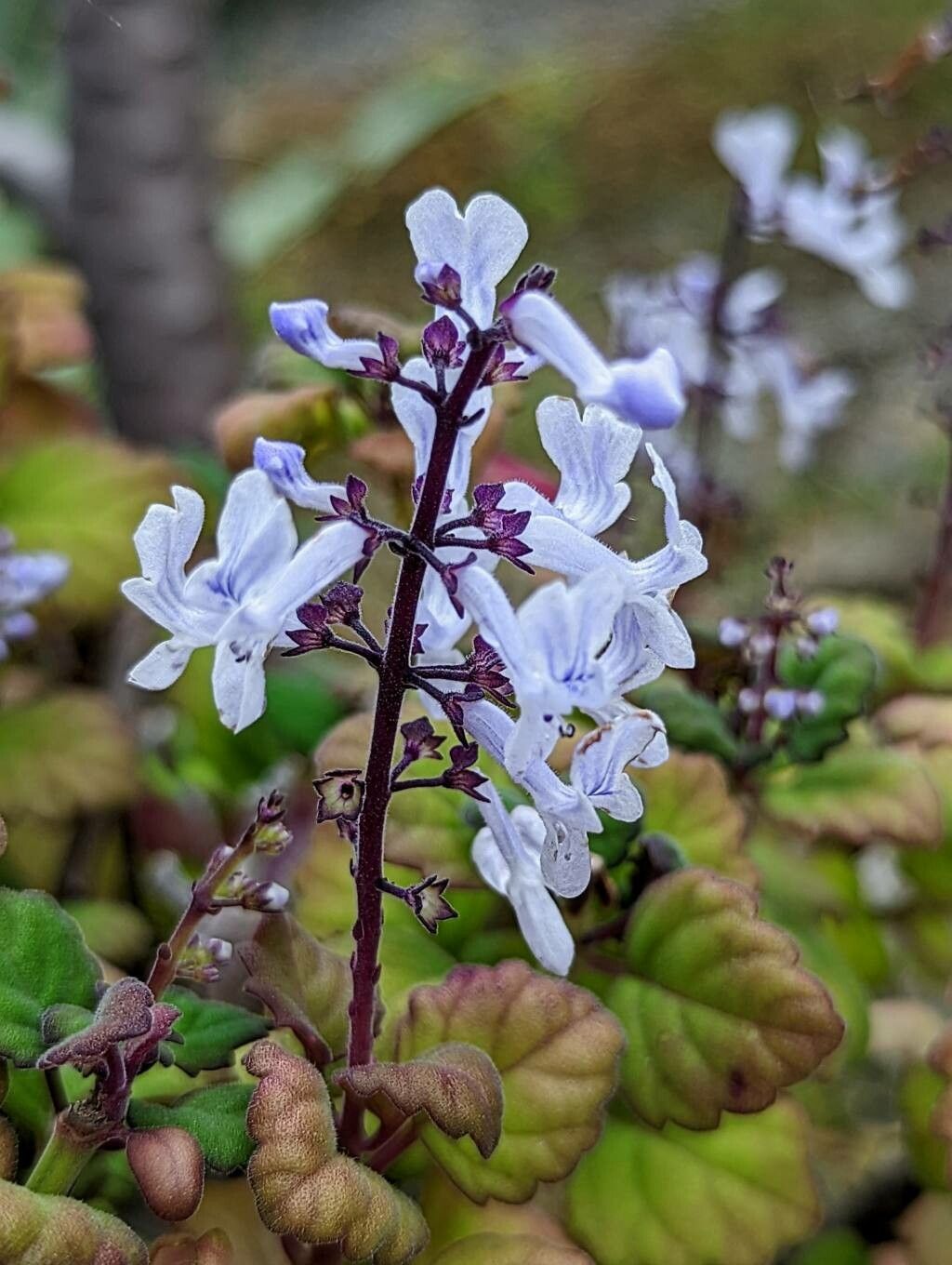
Hey there, fellow plant lovers! Today, we’re diving into the wonderfully fuzzy world of Plectranthus ernstii, also known as the “succulent mint” or sometimes simply “shy Plectranthus.” If you love a plant that’s both pretty and a bit quirky, you’re in for a treat. Its soft, grey-green leaves have a lovely velvety texture, and it’s just one of those plants that makes you smile.
The really great thing about Plectranthus ernstii? It’s a fantastic grower, meaning propagating it is not only possible, but genuinely easy. This is a plant that won’t leave beginners feeling defeated. In fact, it’s one of those specimens I often recommend to folks just starting their propagation journey. It’s incredibly rewarding to watch a tiny cutting transform into a thriving new plant, and Plectranthus ernstii gives you that satisfaction without a fuss.
When to Get Your Hands Dirty
The best time to propagate Plectranthus ernstii is during its active growing season, which typically falls in late spring and summer. This is when the plant has plenty of energy to put into developing new roots. You can certainly try outside of this, but you’ll likely see a much higher success rate when the days are longer and warmer. Don’t be afraid to take cuttings even from plants that are already well-established and showing lots of growth.
What You’ll Need for Success
Gathering your supplies beforehand makes the whole process smoother. Here’s what I usually have on hand:
- Sharp Pruning Shears or Knife: Cleanliness is key to prevent disease.
- Potting Mix: A well-draining mix is crucial. I like to use a blend of standard potting soil mixed with about equal parts perlite or coarse sand. For a more succulent-specific feel, aim for 50/50 potting soil and perlite.
- Small Pots or Seedling Trays: These are perfect for your new cuttings.
- Rooting Hormone (Optional but Recommended): This especially helps if your cuttings are a bit older or if you’re trying them in cooler conditions. A powder or gel works well.
- Watering Can with a Fine Rose or Spray Bottle: Gentle watering is a must.
- Plastic Bags or a Propagator: To create a humid environment.
Bringing New Plants to Life
Plectranthus ernstii is wonderfully versatile, but for me, the stem cutting method is the absolute champion. It’s straightforward and almost always yields results.
Stem Cuttings:
- Select Your Cuttings: Look for healthy, non-flowering stems. You want pieces that are at least 4-6 inches long.
- Make the Cut: Using your clean shears, make a cut just below a leaf node. A leaf node is where a leaf attaches to the stem; this is where roots are most likely to form.
- Prepare the Cutting: Gently remove the lower leaves from the bottom inch or two of the stem. This prevents them from rotting once planted. You can leave two or three sets of leaves at the top.
- Apply Rooting Hormone (Optional): If you’re using rooting hormone, dip the cut end into the powder or gel. Tap off any excess.
- Plant Your Cuttings: Fill your small pots with the prepared potting mix. Make a small hole with your finger or a pencil and insert the cutting, ensuring the leaf nodes you cleared are below the soil surface. Gently firm the soil around the stem.
- Water Gently: Water the soil until it’s moist, but not waterlogged.
- Create a Humid Environment: Cover the pots loosely with a clear plastic bag or place them inside a propagator. This traps moisture and helps the cuttings establish themselves.
Water Propagation:
While I primarily use soil, I also have success with water! It’s a neat way to watch the roots develop.
- Prepare Cuttings: Follow steps 1-3 from the stem cutting method.
- Place in Water: Fill a small jar or glass with fresh water. Place the cuttings in the water, ensuring that no leaves are submerged. If a leaf touches the water, it will likely rot. So, trim them off or ensure they sit above the waterline.
- Change Water Regularly: This is key! Change the water every few days to keep it fresh and prevent bacterial growth.
- Wait for Roots: Roots should start to appear in a few weeks. Once they are at least an inch long, you can carefully transplant them into your well-draining potting mix.
My Little “Secret Sauce”
Over the years, I’ve picked up a few tricks that seem to give my cuttings a little boost.
- Bottom Heat is Your Friend: If you have a seedling heat mat, placing your pots on it can make a world of difference, especially if your room is a bit cooler. It encourages root development from below.
- Don’t Overcrowd: Give your cuttings a little breathing room in their pots. Overcrowding can lead to fungal issues and competition for resources, which isn’t ideal when they’re trying to get established.
- Light, But Not Direct Sun: Place your propagated cuttings in a bright spot, but out of direct, scorching sunlight. Too much sun can dry them out and damage those tender new leaves.
Life After Roots & What to Watch For
Once you see new growth appearing at the top of the cutting, that’s a good sign roots are forming. You can also gently tug on the cutting; if there’s resistance, roots have likely taken hold.
- Gradual Acclimation: Once roots are established, gradually remove the plastic bag over a few days. This helps them adjust to normal humidity.
- Watering: Water when the top inch of soil feels dry. They will be more susceptible to overwatering when young, so err on the side of caution.
- Troubleshooting: The most common culprit for failed cuttings is rot. This usually happens due to too much moisture and poor drainage, or if leaves were left submerged in water. If a cutting turns mushy or black, it’s best to discard it and start again with fresh material and improved conditions. Yellowing leaves can sometimes indicate too much water or not enough light.
Go Forth and Propagate!
Seeing a brand new Plectranthus ernstii pop up from a tiny piece of your existing plant is truly one of the simple joys of gardening. Be patient with your cuttings; sometimes they take their sweet time. But with a little care and these tips, you’ll be sharing fuzzy, leafy babies with friends in no time. Happy propagating!
Resource:
https://identify.plantnet.org/k-world-flora/species/Plectranthus%20ernstii%20Codd/data