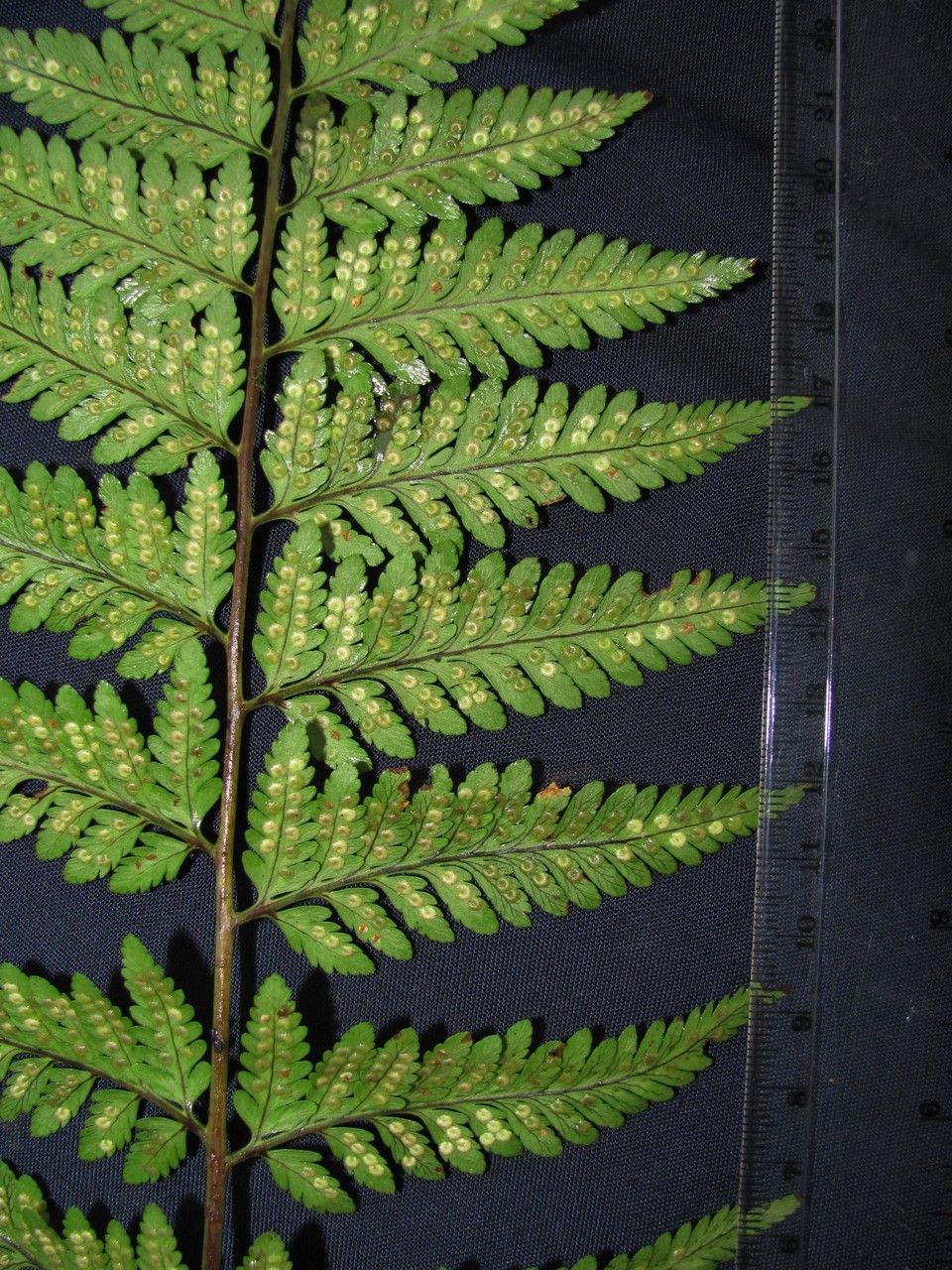
Alright, fellow plant enthusiasts! Let’s talk about a fern that’s truly a delight to have gracing our gardens – Dryopteris patula, often called the Eastern Crested Wood Fern. This beauty earns its spot with its graceful, arching fronds and a lush, almost feathery texture that brings a woodland charm to any shady nook. Propagating it, I’ve found, is a wonderfully rewarding way to fill your garden beds or share these beauties with friends. Now, is it beginner-friendly? I’d say it’s moderately easy, meaning a little attention to detail goes a long way, but it’s certainly achievable even if you’re just starting your propagation journey.
The Best Time to Start
For Dryopteris patula, the sweet spot for propagation is definitely in the early spring. This is when the plant is actively breaking out of dormancy and bursting with new energy. You’ll see those fiddleheads unrolling, and that’s your cue that it has the vigor to send out new roots. Waiting until after the last frost is a good idea to avoid any nasty surprises.
Supplies You’ll Need
Gathering your supplies beforehand makes the whole process much smoother. Here’s what I usually have on hand:
- Sharp, clean pruning shears or a trowel: For making neat cuts.
- A good quality potting mix: I prefer a blend that’s well-draining but holds some moisture. A mix of compost, perlite, and peat moss works wonders. You can also get specific fern mixes.
- Small pots or trays: Clean them well!
- Seed-starting trays with humidity domes (optional but helpful): These create a mini-greenhouse effect.
- Rooting hormone powder (optional): While not always strictly necessary for ferns, it can give an extra boost.
- Watering can or spray bottle: Gentle watering is key.
- Labels and a marker: To keep track of what you’ve planted and when.
Propagation Methods
The most reliable and straightforward method for Dryopteris patula is division. Ferns are perennials that grow from a central rhizome, and this rhizome often branches, creating natural divisions you can separate.
Here’s how I do it:
- Gently excavate: In early spring, carefully dig up the entire fern plant. You want to disturb the roots as little as possible.
- Clean the roots: Gently brush away excess soil from the rhizome and roots. This helps you see the natural growth points.
- Identify divisions: Look for sections of the rhizome that have their own separate crown (where the fronds emerge) and a good network of roots.
- Separate carefully: Using your hands or a clean trowel, gently pull or cut the rhizome to cleanly separate the divisions. Make sure each division has at least one healthy crown and a decent amount of roots. If a division seems a bit sparse on roots, that’s okay, but it will take a little longer to establish.
- Prepare the new pots: Fill your clean pots with your prepared potting mix.
- Plant the divisions: Make a small hole in the center of the soil and nestle the division in, ensuring the crown is at soil level. Backfill with soil and gently firm it around the base.
- Water thoroughly: Water the newly potted divisions well, allowing the excess water to drain away.
The “Secret Sauce” (Pro Tips)
Over the years, I’ve picked up a few tricks that really help with fern propagation:
- Don’t bury the crown too deep: This is crucial for ferns. If the crown, where new fronds emerge, is submerged too deeply in soil, it can rot. Keep it right at soil level or just slightly exposed.
- Humidity is your friend: Ferns love humidity. Once you’ve potted your divisions, if you’re not using a humidity dome, mist them regularly and keep them in a spot that’s consistently moist but not waterlogged. A shady spot out of direct sun is ideal.
- Patience is paramount: Ferns are not the fastest propagators. Give them time. You won’t see dramatic growth overnight. Look for subtle signs of new frond development – that’s your confirmation of success!
Aftercare & Troubleshooting
Once your divisions are potted, treat them like young, tender plants. Keep them in a bright, indirect light location. Water them whenever the top inch of soil feels dry. You’ll want to keep that humidity high.
The biggest challenge you might face is rot. This usually happens if the soil stays too wet or if those crowns are buried too deep. You’ll notice fronds turning yellow and mushy. If you see this, carefully remove the affected parts and try to let the soil dry out a bit more. If the entire division looks a lost cause, don’t beat yourself up. It happens to all of us! Pick up another division next spring or try again.
A Encouraging Closing
Propagating Dryopteris patula is a wonderful way to connect with your garden and multiply the beauty you enjoy. Don’t be discouraged if your first attempt isn’t perfect. Gardening is a journey, and each plant you nurture teaches you something new. Be patient, enjoy the process of coaxing new life from your existing plants, and before you know it, you’ll have a whole brigade of these lovely crested wood ferns to admire! Happy propagating!
Resource:
https://identify.plantnet.org/k-world-flora/species/Dryopteris%20patula%20(Sw.)%20Underw./data