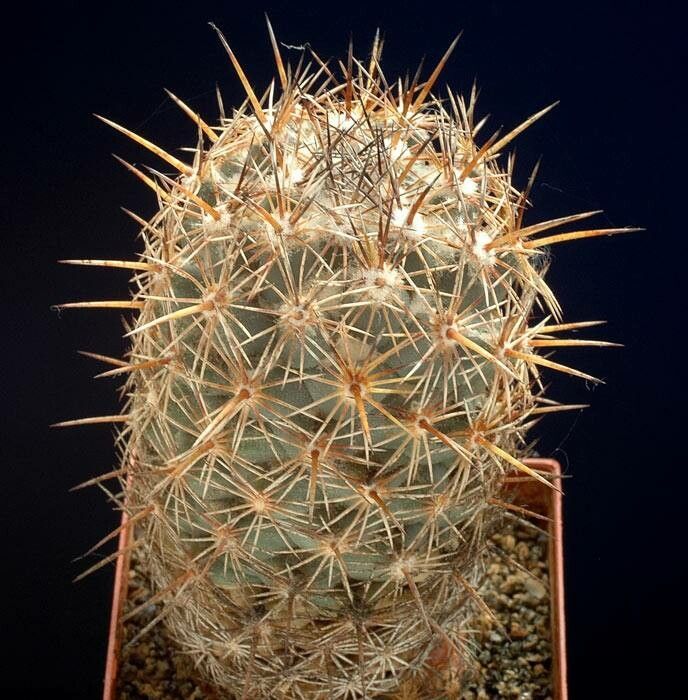
Hello, fellow plant enthusiasts! Today, I’m absolutely thrilled to dive into the delightful world of Coryphantha echinoidea. If you’re anything like me, the charm of these spiky little beauties, with their intricate tubercles and surprisingly cheerful flowers, is hard to resist. Propagating Coryphantha echinoidea is a wonderfully rewarding process. It’s a fantastic way to expand your collection or share these unique gems with friends. Now, I won’t lie, it can be a little more nuanced than just sticking a leaf in water, especially if you’re brand new to cacti, but with a bit of attention to detail, you’ll be well on your way.
The Best Time to Start
For Coryphantha echinoidea, the absolute sweet spot for propagation is during its active growing season. This typically falls between late spring and early summer. When the plant is actively producing new growth and pushing energy towards development, it’s much more receptive to rooting. You’ll notice it looks plump and is generally more vigorous. Avoid propagating when the plant is dormant in winter or experiencing extreme heat; that’s when it’s resting and less likely to respond.
Supplies You’ll Need
Before we get our hands dirty, let’s gather our gear. Having everything ready makes the process so much smoother.
- Well-draining potting mix: A cactus or succulent mix is your best bet. I like to add a bit of extra perlite or pumice to mine for even better drainage.
- Sharp, sterilized pruning shears or a clean knife: For making clean cuts.
- Rooting hormone powder (optional but recommended): This can give your cuttings a helpful boost.
- Small pots or trays: With drainage holes, of course!
- A spray bottle: For gentle misting.
- A tray or shallow dish: For bottom watering.
- Soft brush: For dusting off old soil.
Propagation Methods
Coryphantha echinoidea is primarily propagated through offsets (pups) and stem cuttings. Let’s break down how to do it.
Propagating Offsets (Pups)
Many Coryphantha species produce small offsets that grow from the base of the parent plant. These are often the easiest and most successful way to get new plants.
- Locate the offsets: Look for small plantlets emerging from around the base of your mature Coryphantha echinoidea.
- Gently separate: Using a clean, sharp knife or your fingernails, carefully detach the offset from the parent plant. Try to get a small portion of the root if possible. For hard-to-reach offsets, you might need to gently tease away some of the soil.
- Allow to callus: This is crucial! Place the detached offset in a dry, well-ventilated spot away from direct sunlight for 2-3 days, or even longer. You want the cut surface to dry out and form a callus – a protective scab. This prevents rot when you plant it.
- Potting up: Once callused, lightly plant the offset into your prepared well-draining potting mix. Don’t bury it too deep; just so it’s stable.
- Initial Watering: Do not water immediately. Wait for about a week after potting before giving it its first gentle watering. You can do this by placing the pot in a shallow dish of water and letting the soil absorb moisture from the bottom up.
Propagating Stem Cuttings (Less Common for Coryphantha, but Possible)
If your plant has grown long and etiolated, or you’ve had to trim it for any reason, you might consider stem cuttings, though offsets are usually preferred.
- Take the cutting: Using your sterilized shears, make a clean cut from the main stem. Aim for a section that looks healthy and has several tubercles.
- Allow to callus: Just like with offsets, the cut end must callus. Set the cutting aside in a dry, bright spot for at least a week, sometimes up to two, until a firm callus has formed. Patience here is key!
- Planting: Once callused, insert the cut end about an inch into your cactus soil mix. You can use a small stake if needed to keep it upright.
- Rooting: Again, no watering right away. Wait about 10-14 days before initiating your first bottom watering.
The “Secret Sauce” (Pro Tips)
Here are a couple of little tricks I’ve learned over the years that make a real difference.
- The Tiny Scar Effect: When separating offsets, if you can’t get any roots, don’t stress too much! Even a tiny bit of the parent plant’s tissue attached can sometimes be enough for it to sprout roots. Just ensure that connection point dries thoroughly.
- Warmth Encourages Rooting: While we don’t want to bake our little propagations, providing a little gentle warmth from below can significantly speed up root development. A seedling heat mat set to a low temperature (around 70-75°F or 21-24°C) can be a game-changer, especially if your house is a bit cooler.
Aftercare & Troubleshooting
Once your Coryphantha echinoidea babies have rooted – you might see them subtly plump up or even start to show tiny new growth – it’s time for ongoing care.
Continue with bottom watering as needed. Allow the soil to dry out completely between waterings. You’ll see new roots forming when you gently tug and feel resistance, or if you’re very careful, you might even glimpse them through the drainage holes. Gradually introduce them to brighter light, but always avoid scorching direct sun, especially when they are young and vulnerable.
The biggest enemy of new succulent and cactus propagations is rot. If you see your cutting turning mushy, yellowing significantly, or developing dark, soft spots, it’s likely rot. This is usually due to overwatering or insufficient callusing. If you catch it early, you can try to cut away the rotted part and let the remaining healthy section callus again. Sometimes, though, it’s a sign that the propagation hasn’t taken. Don’t be discouraged if it happens; it’s a learning process for all of us!
Enjoy the Journey!
Propagating plants is such a fulfilling part of gardening. It connects you to the life cycle and rewards patience. Watching those tiny tubercles emerge on your new propagation is a truly special feeling. So, take a deep breath, gather your supplies, and give it a go. You’ve got this, and I can’t wait to hear about your Coryphantha echinoidea success stories! Happy propagating!
Resource: