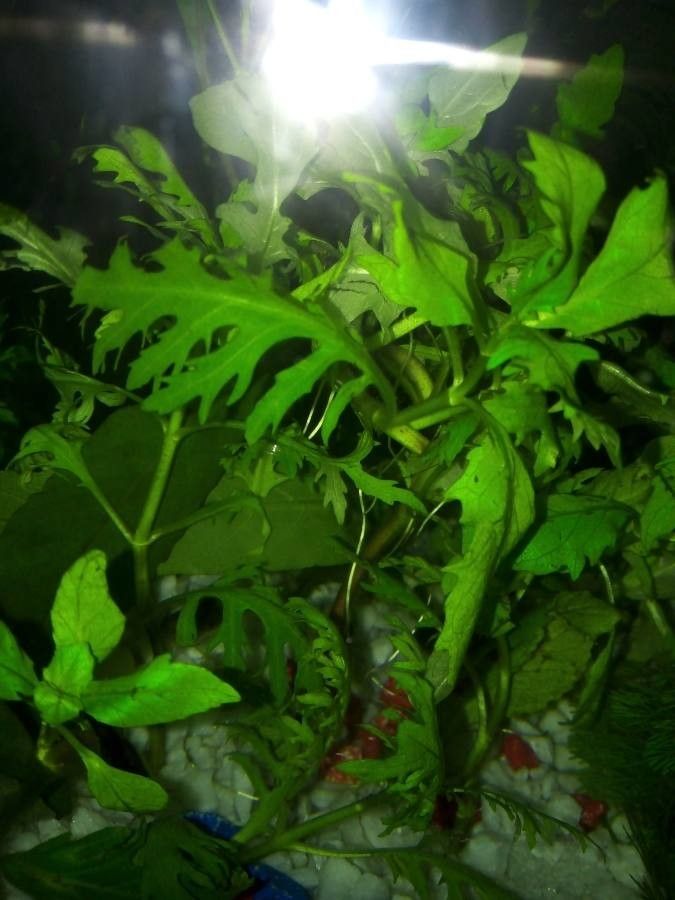
Hey there, fellow plant enthusiast! I’m so glad you’re interested in Hygrophila anomala. This gorgeous plant, with its delicate, feathery foliage, just breathes life and elegance into any space. And the best part? Propagating it is incredibly rewarding. If you’re looking for a plant that gives you a real sense of accomplishment, you’ve found it. For beginners, I’d say Hygrophila anomala is moderately easy. It’s not foolproof, but with a little attention, you’ll be collecting new plants in no time.
The Best Time to Start
When it comes to Hygrophila anomala, the best time to get your propagation on is definitely during its active growing season. Think late spring through early fall. This is when the plant has the most energy to put into producing new roots and shoots. Trying to propagate in the dead of winter, when it’s naturally slowing down, can be a bit of a struggle. So, grab your scissors when the days are long and warm!
Supplies You’ll Need
Here’s what you’ll want to have on hand to make this process as smooth as possible:
- Sharp pruning shears or a clean razor blade: For making nice, clean cuts.
- Small pots or propagation trays: Anything that can hold your cuttings and a bit of substrate.
- A good rooting medium: I usually opt for a well-draining potting mix, often a blend of peat moss and perlite. For aquarium plants, a clean aquarium substrate works beautifully.
- Rooting hormone (optional but recommended): This little helper can significantly speed up root development. Look for a gel or powder.
- Water: For the water propagation method. Make sure it’s dechlorinated if you’re growing an aquarium variety.
- A clear plastic bag or dome: To create a humid environment for cuttings.
- Labels (optional): To keep track of your different propagation batches.
Propagation Methods
Let’s get our hands dirty! Here are the most effective ways to multiply your Hygrophila anomala:
Stem Cuttings
This is my go-to method, and it’s incredibly straightforward.
- Take Your Cuttings: Find a healthy, non-flowering stem on your mature Hygrophila anomala. Using your sharp shears or razor, make a cut just below a leaf node (where a leaf attaches to the stem). You want cuttings that are at least 4-6 inches long. Remove the lower leaves, leaving just a few at the top.
- Apply Rooting Hormone (Optional): Dip the cut end of the stem into your rooting hormone, ensuring it’s lightly coated. Tap off any excess.
- Plant Your Cuttings: Fill your small pots or trays with your chosen rooting medium. Make a small hole with your finger or a pencil and gently insert the cut end of the stem. Firm the medium around the stem.
- Water and Cover: Water the medium thoroughly until it’s moist but not soggy. Then, place the pots into a clear plastic bag or cover them with a dome to maintain high humidity. This is key for preventing the cuttings from drying out.
- Provide Light: Place the pots in bright, indirect light. Avoid direct sun, which can scorch the delicate cuttings.
Water Propagation
This method is fantastic for seeing root development in action!
- Prepare Your Cuttings: Follow the same steps as above for taking stem cuttings and removing lower leaves.
- Place in Water: Fill a clean glass jar or vase with dechlorinated water. Submerge the cut end of your Hygrophila anomala cuttings, making sure that no leaves are touching the water. If you have a longer cutting, you might need to trim it down.
- Find a Good Spot: Place the jar in a location with bright, indirect light.
- Change Water Regularly: Change the water every few days, or whenever it starts to look cloudy. This keeps it fresh and prevents bacteria from building up.
The “Secret Sauce” (Pro Tips)
Here are a couple of things I’ve learned over the years that make a big difference:
- Don’t Let the Leaves Touch the Water: Seriously, this is crucial for water propagation. Any submerged leaves will quickly rot, which can contaminate the water and harm the developing roots. It’s better to have a few leaves missing from the bottom than to have them sitting in water.
- Bottom Heat is Your Friend: For stem cuttings in soil, if you have a seedling mat or a warm spot in your house (like near a router or on top of a gently warm appliance), providing a little bottom heat can really speed up root formation. It mimics the warmth of spring soil, encouraging those roots to emerge.
- Don’t Rush Them: While some cuttings root in a couple of weeks, others can take longer. Be patient! Gently tugging on a cutting (if in soil) or observing new leaf growth can indicate roots are forming.
Aftercare & Troubleshooting
Once you see those lovely roots starting to appear, it’s time to transition them to their next phase.
For water-propagated cuttings with inch-long roots, you can now pot them into your chosen soil mix. Continue to keep the soil consistently moist, and maintain that humid environment for another week or so.
For soil-propagated cuttings, once you see new growth emerging, you can gradually reduce the humidity by opening the bag or removing the dome for longer periods each day. Water gently when the top inch of soil feels dry.
The most common issue you’ll encounter is rot. If you see your cuttings turning mushy, black, or slimy, it’s usually due to too much moisture, poor air circulation, or contaminated water. If rot sets in, unfortunately, it’s often best to discard the affected cutting to prevent it from spreading. Sometimes, you can salvage a cutting by cutting away the rotted part and trying to root it again in fresh medium.
A Encouraging Closing
Propagating Hygrophila anomala is such a satisfying experience. It’s a wonderful way to expand your plant collection or share your green thumb with friends. Remember to be patient, observe your plants closely, and don’t be discouraged if every single cutting doesn’t make it. That’s all part of the journey! Enjoy the process, and soon you’ll be surrounded by even more of this beautiful plant. Happy propagating!
Resource: