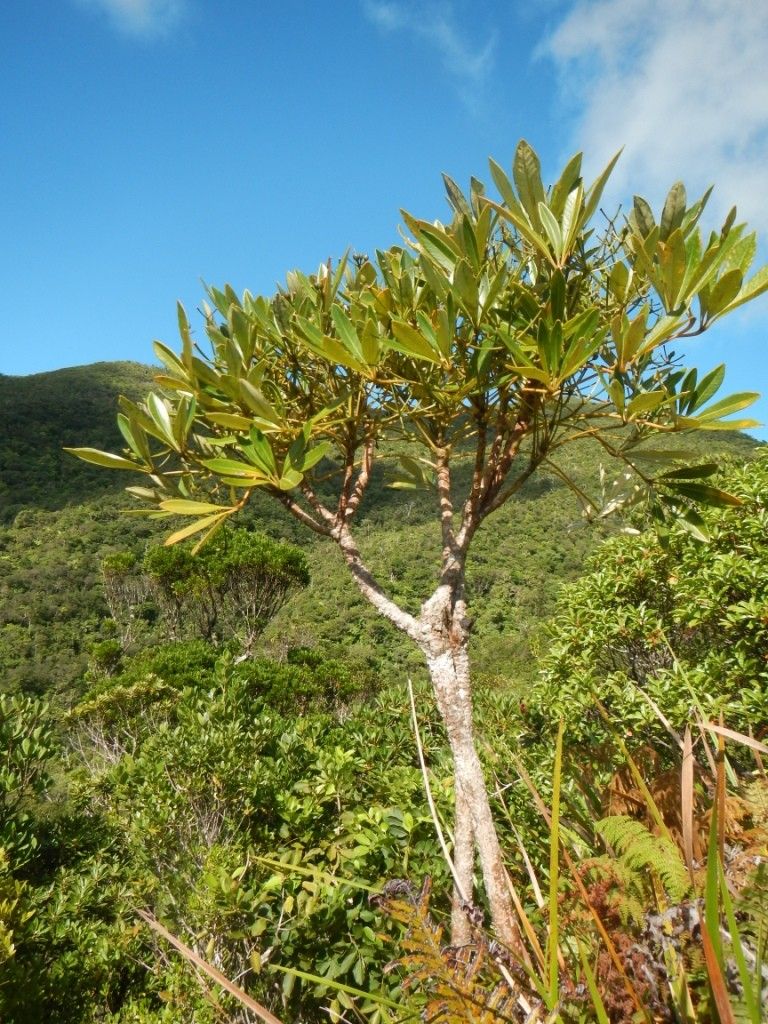
Hello, fellow plant lovers! I’m so excited to chat with you today about a truly special plant: Plerandra veilloniorum. You know those plants that just radiate a certain elegance? This is one of them. With its gorgeous, glossy leaves and often dramatic growth habit, it brings a touch of the exotic right into our homes. And the best part? You can easily multiply this beauty yourself! For those of you just starting out with propagation, I’d say Plerandra veilloniorum falls into the “moderately easy” category. A little bit of care and attention, and you’ll be rewarded with new plants in no time.
The Best Time to Start
Timing is everything in the garden, isn’t it? For Plerandra veilloniorum, you’ll have the most success if you take cuttings during its active growing season, which is typically spring and early summer. This is when the plant has the most energy to produce roots. Look for stems that are firm but not woody – think of a pencil rather than a toothpick.
Supplies You’ll Need
Gathering your tools before you begin makes the whole process so much smoother. Here’s what I always have on hand:
- Sharp, clean pruning shears or a knife: Essential for making clean cuts.
- Rooting hormone (optional but helpful): Especially if you want to speed things up.
- Well-draining potting mix: A good blend of perlite and peat moss works wonders. You can also buy specific potting mixes for cuttings.
- Small pots or propagation trays: Clean pots are a must to prevent disease.
- Plastic bags or a propagation dome: To create a humid environment.
- Water: For watering your cuttings.
- A mister bottle: For lightly misting the leaves.
Propagation Methods
Let’s get our hands dirty! For Plerandra veilloniorum, stem cuttings are my go-to method. It’s reliable and gives you a good chance of success.
Stem Cuttings:
- Select your cutting: Find a healthy stem that is about 4-6 inches long. Make a cut just below a leaf node (where a leaf attaches to the stem). This node is where roots are most likely to form.
- Remove lower leaves: Gently strip off the leaves from the bottom half of the cutting. This prevents them from rotting in the soil or water. Leave a couple of leaves at the top to help the cutting photosynthesize.
- Apply rooting hormone (optional): If you’re using rooting hormone, dip the cut end into it, tapping off any excess powder.
- Pot it up: Fill your clean pot or tray with your prepared potting mix. Make a small hole with your finger or a pencil, then insert the cutting. Gently firm the soil around the stem to ensure good contact.
- Water gently: Water thoroughly until you see water drain from the bottom of the pot.
- Create humidity: Cover the pot with a plastic bag or a propagation dome. Make sure the leaves aren’t touching the plastic if possible. This traps moisture, creating a greenhouse effect that encourages rooting.
- Place in bright, indirect light: Find a warm spot that receives bright, indirect sunlight. Avoid direct sun, which can scorch the delicate cuttings.
The “Secret Sauce” (Pro Tips)
Here are a couple of tricks I’ve learned over the years that really make a difference:
- Don’t let the leaves touch the water (if doing water propagation): While I love stem cuttings in soil, some people also try water propagation. If you go that route, ensure only the cut stem is submerged, not any of the leaves. Leaves in water will quickly rot and can spread disease to the cutting.
- Use bottom heat: If you have a heat mat designed for seedlings, it can be a real game-changer. Providing gentle bottom warmth encourages root development significantly, especially in cooler months. It mimics the warmth of spring soil.
Aftercare & Troubleshooting
Once your Plerandra veilloniorum cuttings have developed roots (you’ll usually see new growth appearing at the top), it’s time to transition them to a slightly less humid environment.
- Gradually acclimate: Slowly remove the plastic bag or dome over a few days. Start by taking it off for an hour or two, then increase the duration until the plant is accustomed to normal room humidity.
- Watering: Continue to water when the top inch of soil feels dry. Avoid overwatering, which is the most common cause of problems.
- Troubleshooting: The most common issue you’ll encounter is rot, often indicated by a black, mushy stem. This is usually a sign of too much moisture and not enough air circulation. If you see this, it’s usually best to discard the cutting and start again, ensuring your soil is well-draining and you’re not overwatering. Yellowing leaves can sometimes indicate too much or too little water, or even lack of light. Observe your plant closely!
Time to Grow!
Propagating plants is such a rewarding journey. It’s a chance to deepen your connection with your green friends and share their beauty with others. Don’t get discouraged if your first attempt isn’t perfect. Every gardener experiences setbacks, and each one is a learning opportunity. Be patient, enjoy the process of watching new life emerge, and soon you’ll have a whole family of Plerandra veilloniorum to admire! Happy propagating!
Resource: