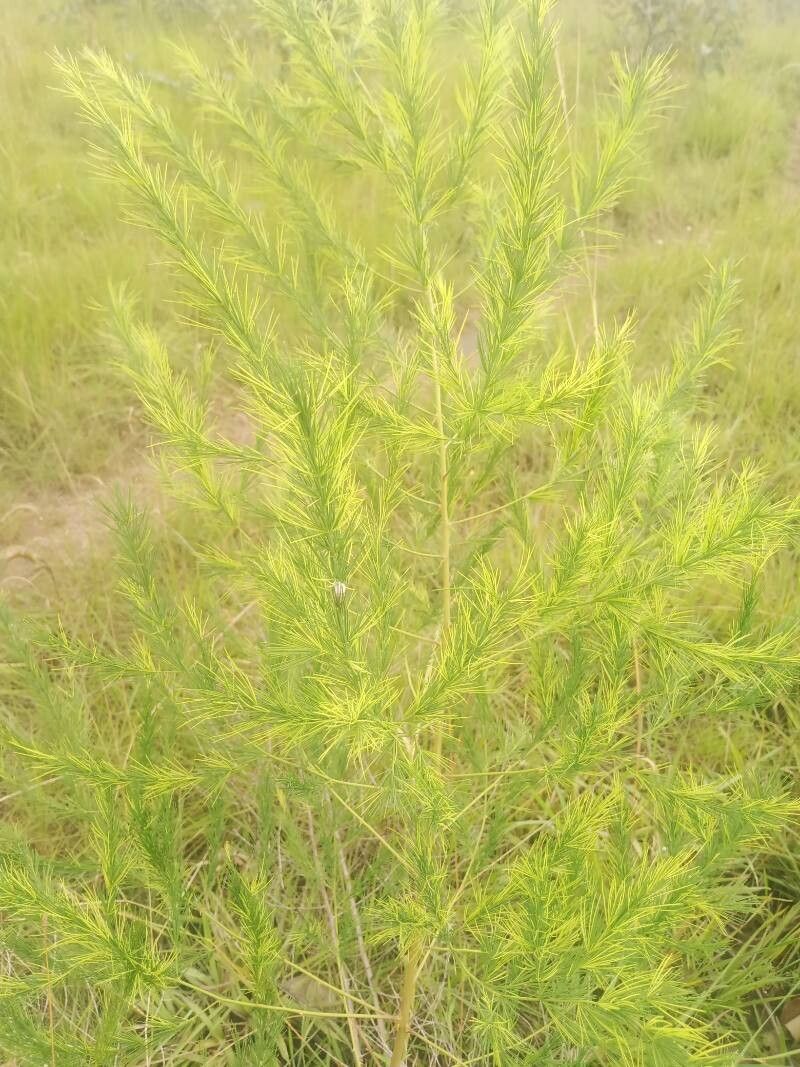
Oh, hello there, fellow plant lover! I’m so delighted you’ve stopped by. Today, we’re diving into something truly special: propagating Asparagus flagellaris. You know, those gorgeous, airy wisps of green that add such elegance to any corner? They’re such a joy to have, and making more of them is, in my opinion, one of the most rewarding gardening experiences.
A Touch of Green Magic: Why Propagate Asparagus flagellaris?
Asparagus flagellaris, often called the “Asparagus Fern” (though it’s not a true fern!), is a stunner. Its delicate, feathery foliage brings a soft, tropical vibe to our homes and gardens. And the best part? It’s surprisingly easy to share its beauty! For those dipping their toes into plant propagation, this one is a fantastic starting point. You’ll feel like a plant wizard in no time.
The Perfect Moment: When to Get Started
The absolute best time to propagate Asparagus flagellaris is during its active growing season. Think late spring through summer. This is when the plant has the energy to put out fresh growth and readily form new roots. Starting then gives your cuttings the longest possible window to establish themselves before cooler weather arrives.
Your Propagator’s Toolkit
Before we get our hands dirty, let’s gather our supplies:
- Sharp Pruning Shears or Scissors: Clean cuts are essential for healthy new growth.
- Rooting Hormone (Optional but Recommended): This little powder can give your cuttings a significant boost.
- Well-Draining Potting Mix: A good blend of perlite, peat moss, and compost works wonders. You can also find specific cacti and succulent mixes, which are often perfect.
- Small Pots or Propagation Trays: Clean pots with drainage holes are a must.
- Watering Can or Spray Bottle: For gentle watering.
- Plastic Bag or Dome (for stem cuttings): To create a mini-greenhouse effect.
- A Bright, Indirect Light Source: No direct sun, please!
Bringing New Life: Propagation Methods
There are a couple of reliable ways to grow new Asparagus flagellaris plants. I tend to favor these two:
1. Stem Cuttings: The Classic Approach
This is my go-to method, and it’s highly effective.
- Select Your “Mother”: Look for a healthy, mature Asparagus flagellaris plant. Find a long, leafy stem that’s not too woody.
- Take the Cutting: Using your clean shears, make a cut just below a leaf node. A leaf node is where a leaf attaches to the stem. Aim for cuttings that are about 4-6 inches long. Gently remove the lower leaves, leaving a few at the top.
- Apply Rooting Hormone: If you’re using rooting hormone, dip the cut end of the stem into the powder. Tap off any excess.
- Plant Your Cutting: Fill your small pot with your well-draining mix and gently insert the cut end of the stem about an inch deep. Make sure the leaf nodes you’ve exposed are buried.
- Water and Cover: Water the soil lightly until it’s evenly moist. Then, cover the pot with a clear plastic bag or place it under a propagation dome. This traps humidity, which is crucial for cuttings.
- Find the Right Spot: Place the pot in a spot that receives bright, indirect light. Avoid direct sunlight, which can scorch delicate cuttings.
2. Division: For Established Plants
If you have a particularly lush and mature Asparagus flagellaris, you can often divide its root ball.
- Gently Remove from Pot: Carefully slide the plant out of its current container.
- Inspect the Roots: Gently loosen the soil around the root ball. You’re looking for natural divisions – clumps of roots and growth that can be separated.
- Make the Cut (if needed): If the roots are tightly bound, you might need to use your clean shears or even a clean knife to gently cut through the root ball to achieve separate sections. Each section should have roots and at least one healthy shoot.
- Repot: Plant each division into its own pot filled with fresh, well-draining potting mix, just as you would a normal repotting. Water lightly.
The “Secret Sauce”: My Insider Tips
Here’s what I’ve learned over the years that really makes a difference:
- Think “Humid, Not Soggy”: When using the plastic bag method for stem cuttings, you want a humid environment, but the leaves should not be touching the water. If they are, they’ll rot. Make sure there’s enough air circulation.
- Warmth Encourages Roots: Many plants, including Asparagus flagellaris, have a much higher success rate with propagation when they have gentle bottom heat. Placing your pots on a seedling heat mat (you can find these online or at garden centers) provides this warmth, signaling the plant it’s time to get growing.
- Be Patient with the “Droop”: Don’t be alarmed if your cuttings look a little sad and droopy for the first week or two. They’re adjusting and focusing their energy on root development. Just keep the soil consistently moist (not waterlogged!) and the humidity high.
Aftercare and What to Watch For
Once your cuttings have developed a robust root system (you’ll often see them peeking out of the drainage holes or feel them when gently tugging), it’s time for a little extra love.
- Gradual Acclimation: If you used a plastic bag, slowly reduce the humidity by gradually opening the bag over a few days. This helps the new plant adapt to normal room conditions.
- Regular Watering: Keep the soil consistently moist but allow the top inch to dry out slightly between waterings.
- Bright, Indirect Light: Continue to provide plenty of bright, indirect light.
- Troubleshooting the “Rot Factor”: The most common issue you might encounter is rot. This usually happens if the soil is too wet, or if the leaves are constantly exposed to excess moisture. If you see yellowing leaves, mushy stems, or a foul smell, it’s likely rot. Sadly, there’s not much you can do once rot sets in. It’s a good reminder to always ensure excellent drainage and avoid overwatering.
Keep Growing, Keep Sharing!
There you have it – your guide to propagating Asparagus flagellaris. Don’t be discouraged if your first attempt isn’t perfect. Gardening, and especially propagation, is a journey of learning and observation. Celebrate each tiny root, each new leaf, and enjoy the incredible satisfaction of bringing more beauty into the world. Happy propagating!
Resource:
https://identify.plantnet.org/k-world-flora/species/Asparagus%20flagellaris%20(Kunth)%20Baker/data