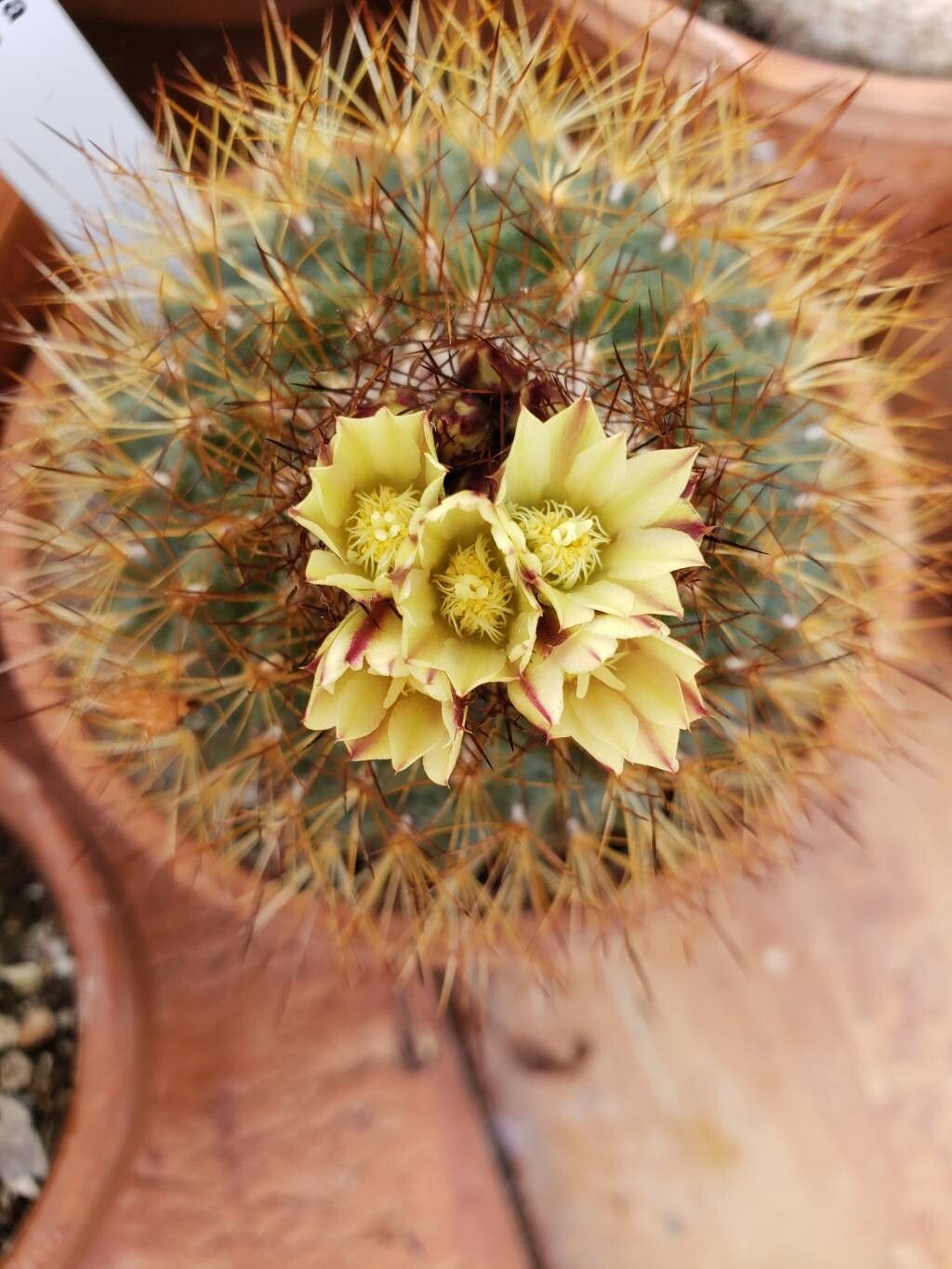
Hello there, fellow plant enthusiasts! If you’ve ever admired the unique charm of Acharagma aguirreanum, you’re in for a treat. This little gem, with its intriguing columnar form and attractive ribbing, brings such a distinct personality to any collection. And let me tell you, the joy of watching a tiny pup flourish into its own majestic plant is something truly special. Now, if you’re wondering if this is a good plant for beginners to propagate, I’d say it falls into the moderately easy category. It’s not quite as foolproof as some of the easier succulents, but with a little attention, you’ll be rewarded with success.
The Best Time to Start
For Acharagma aguirreanum, like many cacti, the active growing season is your best friend for propagation. This typically means the late spring through summer months. You’ll want to work with healthy, mature plants that are actively putting on growth. Trying to propagate during their dormant period is like asking a sleeping bear for fruit – not going to happen!
Supplies You’ll Need
Here’s what you’ll want to have on hand before you get started:
- Sharp, sterilized pruning shears or a clean knife: For making clean cuts.
- Well-draining cactus or succulent soil mix: I like a blend of 50% potting soil and 50% perlite or pumice.
- Small pots or trays: With drainage holes, of course!
- Rooting hormone (optional but helpful): Especially if you’re a bit nervous about rooting.
- Watering can with a fine rose or spray bottle: For gentle watering.
- Labels and a marker: To keep track of your efforts.
- Gloves: If you’re not a fan of prickly encounters!
Propagation Methods
Acharagma aguirreanum primarily propagates through offsets (pups) or stem cuttings.
Propagating from Offsets (Pups)
This is generally the easiest and most successful method. You’ll often find small plantlets forming at the base of the mother plant.
- Wait for the pups to develop: Look for pups that are at least an inch or two tall and have started to form their own small root system at their base.
- Gently detach the pup: Using your sterilized knife or shears, carefully cut the pup away from the mother plant. Try to get a small section of root attached if possible.
- Allow to callus: This is crucial! Place the separated pup in a dry, well-ventilated spot for 2 to 3 days, or even up to a week. This allows the cut end to dry out and form a protective callus. It prevents rot.
- Plant it up: Fill a small pot with your well-draining cactus mix. Make a small indentation in the soil and gently press the callous end of the pup into it.
- Resist watering immediately: For the first week, do not water. Let the roots get accustomed to their new environment. After that, water sparingly, only when the soil is completely dry.
Propagating from Stem Cuttings
This method is great if your main plant has grown a bit leggy or you want to try a different approach.
- Take a clean cutting: Using your sterilized tool, cut a healthy section of the stem. Aim for a piece that’s at least 3-4 inches long and has a few nodes (where leaves or ribs emerge).
- Allow to callus: Just like with pups, you must allow the cut end to callus over. Place the cutting in a dry, bright location for at least a week. The cut end should feel dry and slightly hardened.
- Plant it up: Fill a pot with your cactus mix. You can either lay the cutting on its side on the soil surface (it will root from the nodes) or plant the calloused end directly into the soil, about an inch deep.
- Water sparingly: Again, wait a week or so before the first watering. Then, water only when the soil is thoroughly dry.
The “Secret Sauce” (Pro Tips)
Here are a couple of things I’ve learned over the years that can really boost your success:
- Bottom heat is your friend: For both pups and cuttings, a gentle bottom heat source (like a seedling heat mat) can significantly speed up root development. It mimics the warmth of the soil in their natural habitat. Just make sure it’s on a low setting so you don’t cook your little ones!
- Don’t overwater, ever: This is the golden rule with Acharagma and most succulents. When rooting, their primary concern is to develop roots. Excess moisture just invites rot. It’s far better to err on the side of underwatering. You can always add more water, but you can’t take it away once rot sets in.
Aftercare & Troubleshooting
Once you see signs of new growth, like a tiny pup emerging or the cutting looking plump and firm, you know you’re on your way! Continue to water sparingly, allowing the soil to dry out completely between waterings. Gradually introduce your new plants to more light, but always avoid direct, scorching sun initially, as they can burn easily.
The biggest problem you’ll likely encounter is rot. This usually stems from overwatering or not allowing cuttings or pups to callus properly. If you notice your plant becoming mushy, discolored (often black or brown and soft), or smelling foul, it’s likely rot. At that point, you may need to cut away the rotten parts and try to salvage any healthy tissue, then re-callus and replant. It’s a bit of a race against time, but sometimes you can save them! Lack of root development itself isn’t a failure; it just means patience is still required.
A Little Patience Goes a Long Way
Propagating Acharagma aguirreanum is a wonderful way to expand your collection and share these unique plants with others. Don’t get discouraged if your first attempt isn’t perfect. Gardening is a journey of learning and observation. Keep at it, enjoy the process, and celebrate each tiny root and new shoot! Happy propagating!
Resource: