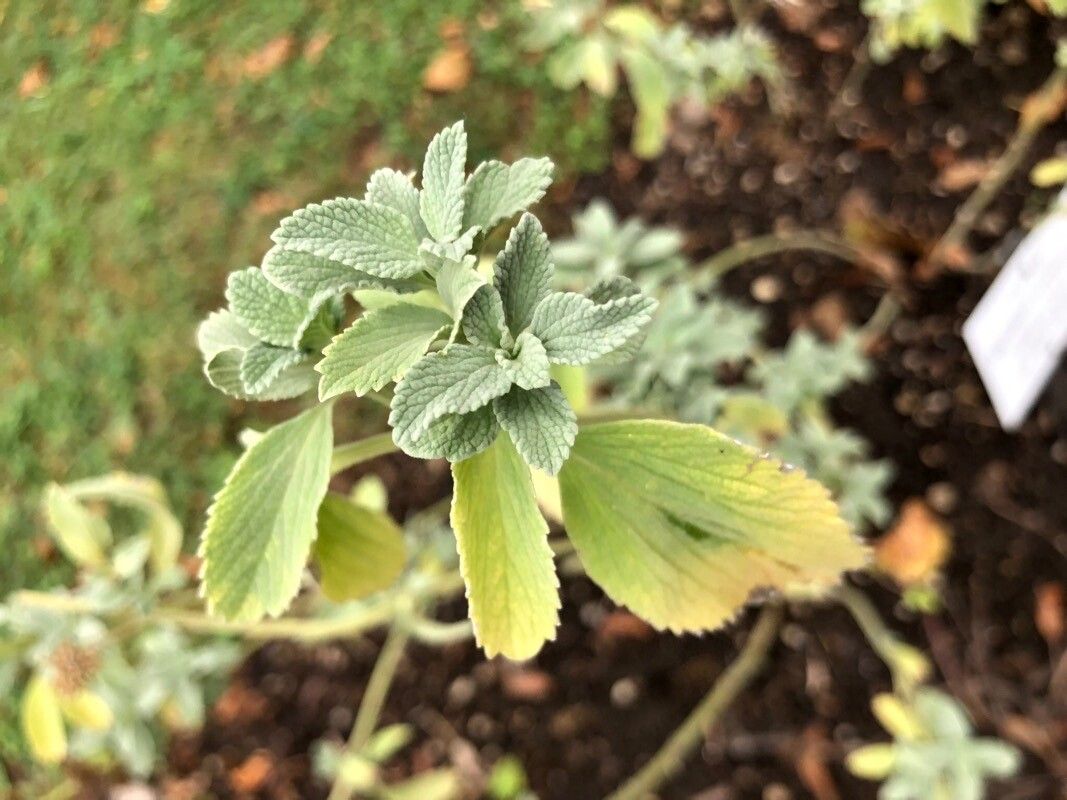
Oh, Marrubium incanum! You’ve picked a wonderful plant to get to know better. This fuzzy, silver-leafed beauty, often called Hoary Horehound (though it’s not quite the same as the medicinal kind, this ornamental is a delight!), brings such a soft, almost ethereal texture to a garden. Its silvery foliage catches the light and provides a lovely contrast to bolder greens. And the satisfaction of coaxing a whole new plant into being from just a small piece of another? Well, that’s a gardener’s pure joy. While it’s not the absolute easiest plant for a complete beginner, with a little guidance, you’ll find propagating Marrubium incanum is quite manageable and incredibly rewarding.
The Best Time to Start
For Marrubium incanum, I find the sweetest spot to be late spring or early summer. This is when the plant is actively growing and has plenty of energy to put into rooting. You’re looking for stems that are firm and developing, not too soft and floppy, and definitely not old, woody growth.
Supplies You’ll Need
Gathering your tools beforehand makes the whole process smoother:
- Sharp pruning shears or a clean knife: For making crisp cuts.
- Small pots or trays: About 4-6 inches deep work well.
- A well-draining potting mix: I like a blend of about 50% seed starting mix and 50% perlite or coarse sand. This ensures no soggy bottoms!
- Rooting hormone (optional but recommended): A powder or gel will help speed things up.
- Watering can or spray bottle: For gentle watering.
- A clear plastic bag or propagator lid: To create a humid environment.
- Labels: To keep track of what you’ve planted!
Propagation Methods
I’ve had the most success with Marrubium incanum using stem cuttings. It’s a tried-and-true method for many perennials:
- Take Your Cuttings: Gently select healthy, non-flowering stems. Using your clean shears, cut a stem about 4-6 inches long. Make sure to cut just below a leaf node (where a leaf attaches to the stem) – this is where roots are most likely to form.
- Prepare the Cuttings: Remove the lower leaves from the cutting, leaving just the top few leaves. This prevents them from rotting in the soil. If you’re using rooting hormone, dip the cut end into the powder or gel now, tapping off any excess.
- Plant Them Up: Fill your small pots with your prepared potting mix. Make a hole in the center with your finger or a pencil. Gently insert the prepared cutting into the hole, ensuring the leaf nodes you’ve stripped are below the soil surface. Firm the soil gently around the base of the cutting.
- Provide the Right Environment: Water the soil gently. Then, place the pots inside a plastic bag or cover them with a propagator lid. This keeps the humidity high, which is crucial for cuttings. You want to create a little greenhouse effect.
The “Secret Sauce” (Pro Tips)
Here are a couple of things I’ve learned over the years that really make a difference:
- Don’t let the leaves touch the soil. Seriously, strip those lower leaves! Any foliage that dips into the damp soil is a prime spot for fungus and rot to set in before your cutting even has a chance to root.
- Bottom heat is your friend. If you have a propagator with a heating mat, use it! A gentle warmth from below (around 70°F or 21°C) really encourages root development and speeds up the process significantly.
Aftercare & Troubleshooting
Once your cuttings are potted, find them a bright spot with indirect sunlight. Direct sun can scorch those delicate new stems. Keep the soil consistently moist but not waterlogged. You can check this by gently poking your finger into the soil – it should feel damp.
You’ll know your cuttings are rooting when you see new leaf growth emerging or feel a gentle tug when you lightly try to lift the cutting. This usually takes anywhere from 4 to 8 weeks, but patience is key!
The most common issue you’ll face is rot. If a cutting turns black and mushy at the base, it’s a goner. This is usually due to too much moisture, poor drainage, or inadequate air circulation. If you see signs of damping off (a wilting and collapsing at the soil line), remove the affected cutting immediately and ensure better airflow for the remaining ones.
A Encouraging Closing
Don’t be discouraged if not every cutting takes. Gardening is a journey of experimentation! With a little patience and these tips, you’ll soon be enjoying your own Marrubium incanum plants, and perhaps even sharing them with fellow garden enthusiasts. Happy propagating!
Resource:
https://identify.plantnet.org/k-world-flora/species/Marrubium%20incanum%20Desr./data