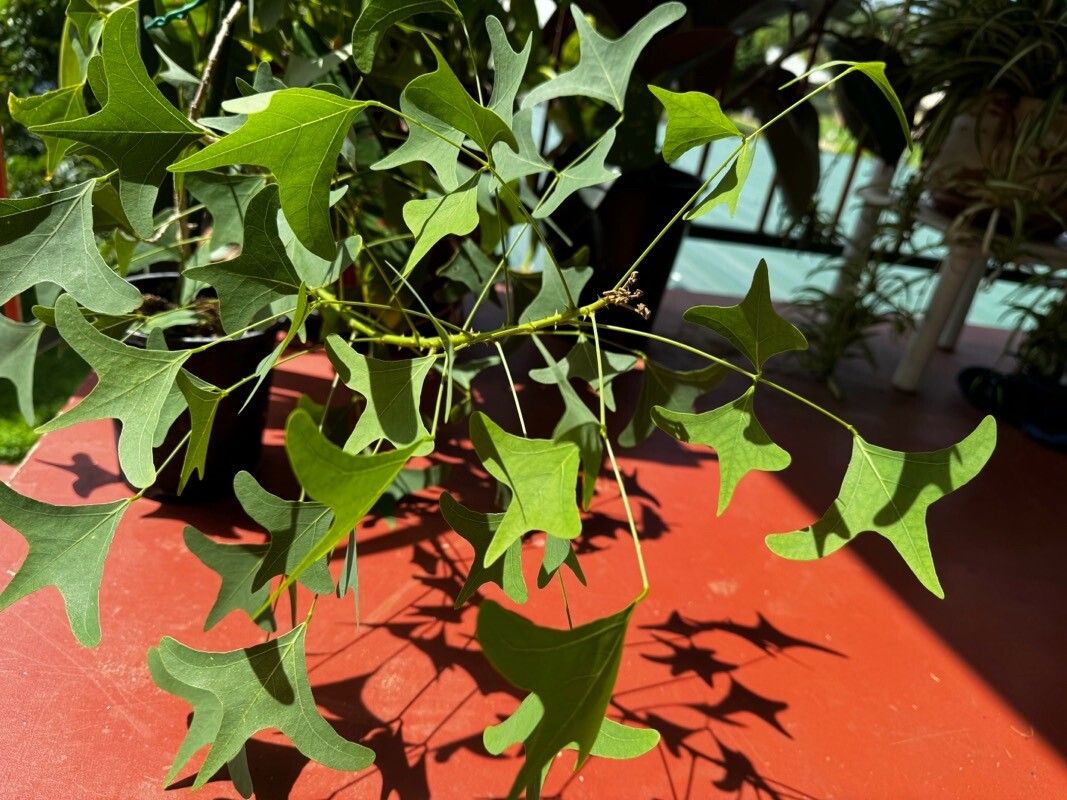
Hello there, fellow plant lovers! I’m so excited to chat with you today about a truly special tree: Erythrina lysistemon, or the common Coral Tree. If you’ve ever seen one of these beauties in full bloom, you know what a showstopper it is. Those vibrant coral-red flowers are absolutely breathtaking.
And the best part? You can bring that magic into your own garden, or share it with friends, by propagating your own Coral Trees! It’s a wonderfully rewarding process, and honestly, it’s not as intimidating as you might think. While some plants can be a bit fiddly, I’ve found Erythrina lysistemon to be fairly straightforward, even for those of you just starting your propagation journey.
The Best Time to Start
For the highest success rate, I always recommend starting your propagation efforts in the late spring or early summer. This is when the plant is actively growing, meaning it has more energy to put into developing roots. You’ll want to take cuttings from healthy, vigorous stems that haven’t yet flowered. Think of it as tapping into that prime growth spurt!
Supplies You’ll Need
Here’s a little list of what you’ll want to have on hand. Don’t worry if you don’t have everything; we can often improvise!
- Sharp Pruning Shears or a Clean Knife: Essential for taking clean cuts.
- Rooting Hormone: This isn’t strictly necessary for Erythrina lysistemon, but it can give your cuttings a significant boost! Look for a powder or gel specifically for woody cuttings.
- Well-Draining Potting Mix: A good mix is crucial. I like a blend of potting soil, perlite, and a bit of coarse sand. You want good aeration so those developing roots don’t sit in soggy soil.
- Pots or Trays: Small pots (around 4-6 inches) are perfect for individual cuttings.
- Watering Can with a Fine Rose: For gentle watering.
- Plastic Bags or a Propagation Dome: To create a mini-greenhouse effect.
- Labeling Stakes and a Pen: To keep track of what you’ve planted and when.
Propagation Methods
Erythrina lysistemon is most commonly propagated by stem cuttings. This is where we take a piece of the parent plant and encourage it to grow roots.
- Take Your Cuttings: On a mild day, select a healthy, non-flowering stem. You want to take pieces that are about 6-12 inches long. Make a clean cut just below a leaf node (that little bump where a leaf joins the stem). Remove any lower leaves, leaving just a couple at the very top.
- Apply Rooting Hormone (Optional): If you’re using rooting hormone, dip the cut end of your stem into the rooting hormone powder or gel. Tap off any excess.
- Plant Your Cuttings: Fill your pots with your well-draining potting mix. Make a hole in the center of the soil with your finger or a pencil. Gently insert the cut end of your stem into the hole, making sure it’s firm in the soil. You can plant a few cuttings in each pot, space them about 2-3 inches apart.
- Water Gently: Water the soil thoroughly but gently. You want it moist, but not waterlogged.
- Create a Humid Environment: Now, we want to encourage that humidity! You can cover the pots with a clear plastic bag, making sure the leaves don’t touch the plastic. Alternatively, a propagation dome works wonderfully. Place the pots in a warm spot, but out of direct, harsh sunlight.
The “Secret Sauce” (Pro Tips)
Over the years, I’ve learned a few tricks that can really make a difference.
- Bottom Heat is Your Friend: If you can, place your pots on a heating mat. This gentle bottom warmth mimics spring soil temperatures and really encourages root development. It’s a game-changer for woody cuttings!
- Don’t Disturb Too Soon: I know it’s tempting, but resist the urge to tug on your cuttings frequently. Wait at least 4-6 weeks before you gently try to pull one. If there’s resistance, you have roots! Frequent disturbance can break young, delicate root hairs.
- A Clean Cut is Paramount: I can’t stress this enough. Using a very sharp, clean tool prevents crushing the stem tissues, which helps prevent disease and promotes faster healing and rooting. Sterilize your shears between each cut if you’re taking many cuttings from different plants.
Aftercare & Troubleshooting
Once you see signs of new growth, like tiny leaves appearing, that’s your cue that roots are forming!
- Gradually Acclimate: If you’ve used a plastic bag or dome, slowly begin to remove it over a few days to get your new plant used to less humidity.
- Continue Gentle Watering: Keep the soil consistently moist, but not wet. Let the top inch of soil dry out slightly between waterings.
- Transition to Sunlight: Once your new plant is a bit more established, you can gradually introduce it to more sunlight. Start with bright, indirect light and slowly move it to a spot that receives some direct sun.
The most common problem you might encounter is rot. This usually happens if the soil is too wet and there isn’t enough air circulation. If you see your cutting wilting, turning black and mushy, that’s a sign of rot. Unfortunately, there’s usually no coming back from that, so prevention through good drainage and avoiding overwatering is key.
A Encouraging Closing
Remember, propagation is a journey, and patience is truly a gardener’s best virtue. Not every cutting will make it, and that’s okay! Each attempt teaches you something new. Enjoy the process of nurturing these little bits of life, and before you know it, you’ll have your very own blooming beauties to admire and share. Happy propagating!
Resource:
https://identify.plantnet.org/k-world-flora/species/Erythrina%20lysistemon%20Hutch./data