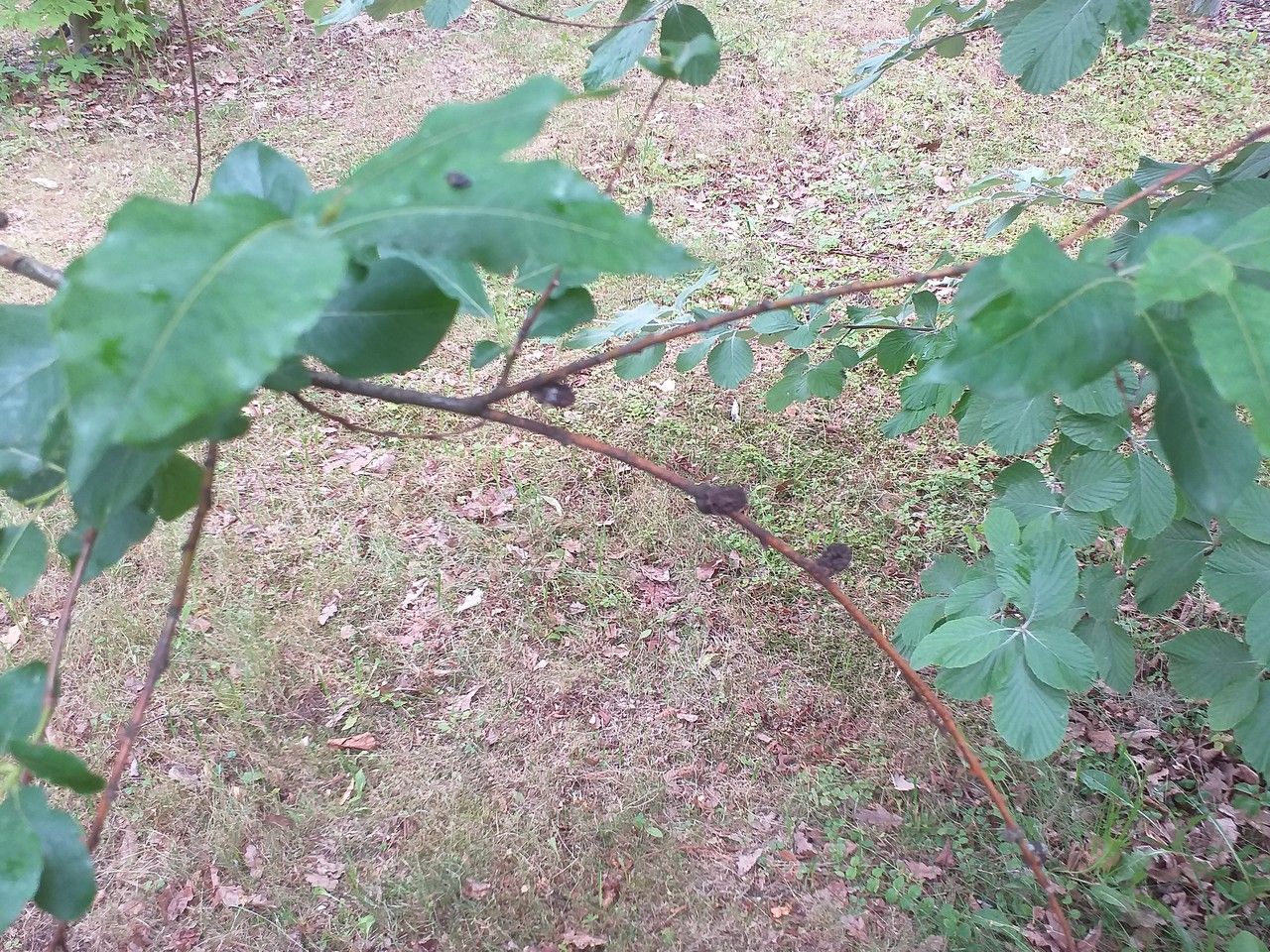
Hello, fellow plant enthusiasts! Today, we’re diving into the wonderful world of Salix cardiophylla, often called the Heartleaf Willow. I’ve spent a good chunk of my gardening life with these beauties, and let me tell you, they bring such a unique charm to any garden. Their gracefully weeping branches and delicate heart-shaped leaves are simply enchanting. Propagating them is incredibly rewarding, and I’m happy to report that for us gardeners, they are generally quite forgiving. Even if you’re just starting out, you’ll likely find success with this lovely willow.
The Best Time to Start
For Salix cardiophylla, the absolute sweet spot for propagation is late spring to early summer. This is when the plant is in full, vigorous growth. You’re looking for stems that are semi-hardwood – they’ve started to firm up a bit from the new, soft growth, but aren’t completely woody and mature. This stage offers the best balance of flexibility and resilience for cuttings.
Supplies You’ll Need
Gathering your supplies beforehand makes the whole process so much smoother. Here’s what I always have on hand:
- Sharp Pruning Shears or a Craft Knife: For clean cuts, which are crucial.
- Rooting Hormone Powder or Gel: This isn’t strictly essential for willows, as they root quite readily, but it can give your cuttings a super-boost.
- Well-Draining Potting Mix: A mix of perlite and peat moss or coco coir works wonderfully. You can also use a dedicated seed-starting mix.
- Small Pots or Trays: Clean pots are a must to prevent disease.
- Watering Can with a Fine Rose or Mister: For gentle watering.
- Plastic Bags or a Propagator Lid: To create a humid environment.
- Labels and a Marker: To keep track of your precious cuttings!
Propagation Methods
Salix cardiophylla is wonderfully adaptable, and I find two methods work particularly well:
Stem Cuttings (The Tried and True)
This is my go-to for willows.
- Take Your Cuttings: On a bright morning, use your clean shears to snip off healthy stems that are about 6-10 inches long. Make your cuts just below a leaf node (where a leaf attaches to the stem).
- Prepare the Cuttings: Remove the lower leaves, leaving just a few at the top. This prevents them from rotting when placed in the soil. If your cuttings are particularly long, you can even cut them in half, making sure each piece has at least two nodes.
- Apply Rooting Hormone (Optional but Recommended): Dip the cut end of each stem into your rooting hormone, tapping off any excess.
- Plant Your Cuttings: Fill your pots with your chosen potting mix and moisten it. Make a hole with a pencil or your finger and gently insert the cutting. Firm the soil gently around the base to ensure good contact.
- Water and Cover: Water thoroughly but gently. Cover the pots with a plastic bag or a propagator lid to maintain high humidity. You can support the bag with stakes so it doesn’t touch the leaves. Place them in a bright spot, but out of direct, scorching sun. A heated propagator or a warm windowsill is ideal.
Water Propagation (The Speedy Visual)
This method is fantastic for watching roots develop!
- Prepare Your Cuttings: Follow steps 1 and 2 from the stem cuttings method.
- Place in Water: Find a clear jar or vase and fill it with fresh water. Place your prepared cuttings into the water, ensuring the leaf nodes are submerged but that no leaves are touching the water surface.
- Find a Suitable Spot: Place the jar in a bright location, away from direct sunlight.
- Change the Water: Change the water every few days to keep it fresh and prevent bacterial growth. You’ll start to see tiny white root nubs appearing within a week or two.
The “Secret Sauce” (Pro Tips)
Here are a few things I’ve learned over the years that make a big difference:
- The “Heel” Trick: Sometimes, if you can gently tug a stem downwards from the parent plant and it tears off with a small sliver of its bark attached – that tiny bit of bark is called a “heel.” These cuttings often root exceptionally well!
- Bottom Heat is Your Friend: If you’re using stem cuttings, placing your pots on a seedling heat mat can dramatically speed up root development. It mimics the warmth of spring soil and gives the roots a real nudge.
- Don’t Be Afraid to Make Lots: Willows are generous! Take more cuttings than you think you’ll need. Not every single one will make it, but with a good number, your success rate will be much higher.
Aftercare & Troubleshooting
Once you see roots emerging from the bottom of your pot or developing in your water jar (this can take a few weeks to a couple of months), it’s time for a little extra love!
- Transplanting Cuttings: For cuttings in soil, once they have a good root system, you can carefully transplant them into individual small pots. Continue to keep them in a bright, but not scorching, location and maintain consistent moisture.
- Potting Up Water Cuttings: When your water-propagated cuttings have roots that are an inch or two long, it’s time to plant them in soil. Be extra gentle, as these baby roots are delicate. Use the same well-draining mix and water them in well.
- Signs of Trouble: The most common issue is rot. If you see your cuttings turning black and mushy, it’s usually a sign of too much moisture and not enough air circulation. Ensure your soil is well-draining and that you aren’t overwatering. Yellowing leaves can sometimes indicate low light or nutrient deficiency once established, but don’t worry too much about this on young cuttings.
A Little Patience Goes a Long Way
Propagating plants is a journey, and Salix cardiophylla is a wonderful companion for that journey. Don’t get discouraged if your first few attempts aren’t perfect. Gardeners learn through doing, and each plant you nurture is a victory. Enjoy the process, celebrate every new root and leaf, and soon you’ll have more of these charming willows to share! Happy propagating!
Resource: