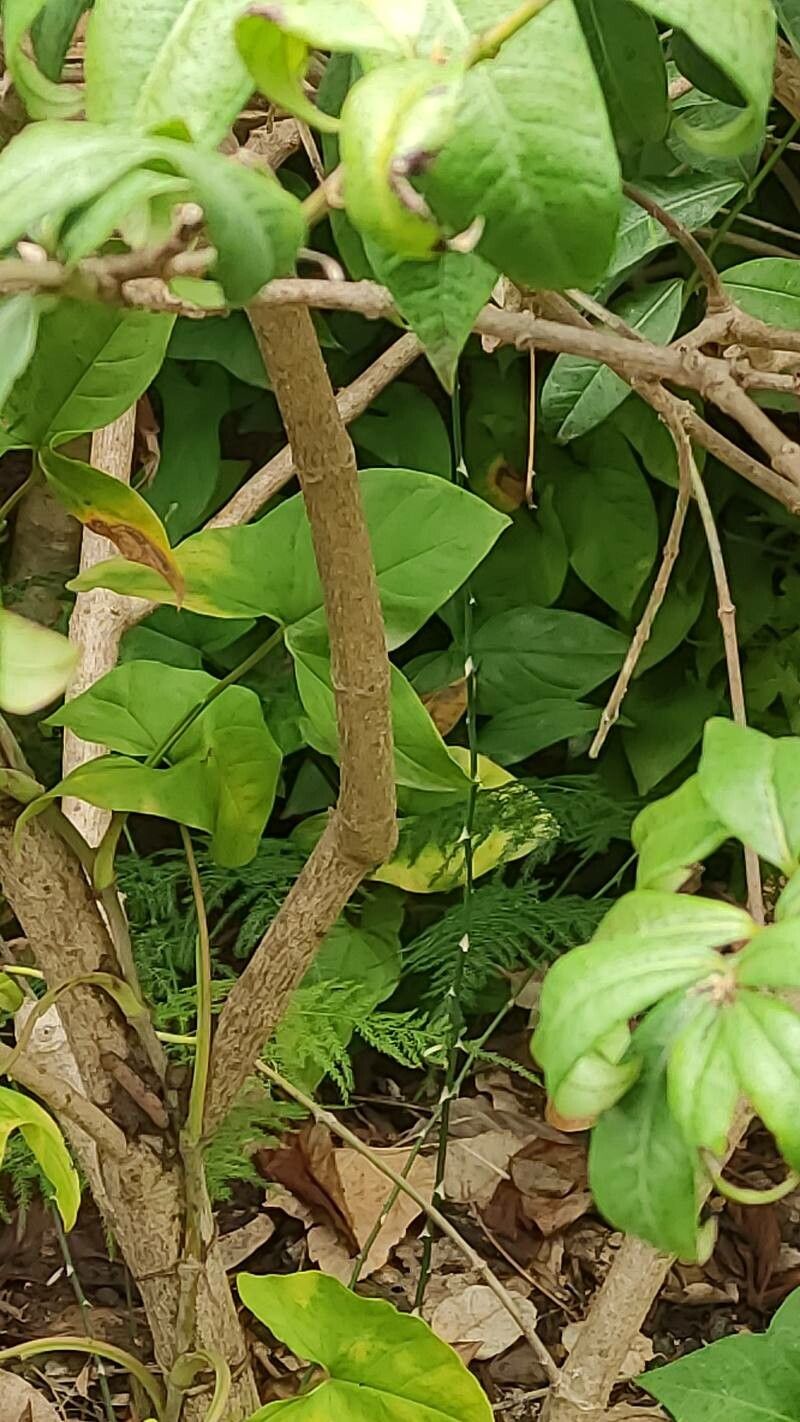
Hello there, fellow garden enthusiasts! It’s so lovely to have you join me today. We’re going to dive into the wonderful world of propagating Allamanda schottii, often called Common Allamanda. If you’ve ever admired those showy, trumpet-shaped yellow blooms that just scream sunshine, then you’re in for a treat. The ability to create more of these beauties from your existing plants is incredibly rewarding, and I promise, it’s more achievable than you might think! For the most part, Allamanda is wonderfully obliging when it comes to propagation, making it a great plant to try for those new to the game.
The Best Time to Start
When it comes to getting the best results, timing is everything. For Allamanda schottii, the prime time to take cuttings is during its active growing season. This generally falls in the late spring or early summer, after the plant has finished its initial burst of flowering and is putting on new growth. You’re looking for stems that are healthy and firm, but not overly woody. Think bright green and pliable, rather than hard and brittle.
Supplies You’ll Need
Gathering your tools beforehand makes the whole process much smoother. Here’s what I recommend having on hand:
- Sharp pruning shears or a clean knife: For making clean cuts to avoid damaging the plant.
- Rooting hormone powder or gel: This is a lifesaver and significantly boosts success rates.
- A well-draining potting mix: I like a blend of 50% perlite and 50% peat moss or coco coir. Some gardeners also use a special seedling mix.
- Small pots or seedling trays: Clean and with drainage holes, of course!
- A misting bottle: For keeping cuttings hydrated.
- Plastic bags or a propagator: To create a humid environment.
- Labels and a marker: Don’t let your new babies get lost!
Propagation Methods
Let’s get our hands dirty! Stem cuttings are my go-to method for Allamanda.
- Take Your Cuttings: Select a healthy, non-flowering stem that is about 4-6 inches long. Make a clean cut just below a leaf node (the point where a leaf attaches to the stem). Remove the lower leaves, leaving just a couple at the very tip.
- Apply Rooting Hormone: Dip the cut end of the stem into your rooting hormone. Tap off any excess.
- Plant Your Cuttings: Fill your pots with your prepared potting mix. Make a small hole with your finger or a pencil and insert the hormone-coated end of the cutting. Gently firm the soil around the base.
- Water and Cover: Water the soil lightly. Then, cover the pots with a clear plastic bag or place them in a propagator. This traps humidity, which is crucial for succulent cuttings like these. You can use a rubber band to secure the bag around the pot.
The “Secret Sauce” (Pro Tips)
Over the years, I’ve picked up a few tricks that make a real difference.
- Bottom Heat is Your Friend: If you have a seedling heat mat, placing your pots on it can dramatically speed up root development. It mimics the warmth of spring soil and encourages those roots to form more readily.
- Don’t Drown Your Cuttings: While humidity is key, overwatering can be the death knell for cuttings. Ensure your potting mix is moist but not soggy. If you see water pooling, you’ve gone too far. Those drainage holes are there for a reason!
- Location, Location, Location (for the cuttings): Place your newly planted cuttings in a bright spot, but out of direct, harsh sunlight. Too much sun can scorch tender foliage, while too little will slow down root formation. A windowsill that receives bright, indirect light is usually perfect.
Aftercare & Troubleshooting
Once your cuttings have started to show signs of life – usually after 3-6 weeks – it’s time to transition. You’ll know roots are forming when you see new leaf growth or feel a slight resistance when gently tugging on the cutting.
- Acclimatize: Gradually remove the plastic bag over a week or so to let the cuttings adjust to lower humidity.
- Watering: Continue to keep the soil consistently moist, but not waterlogged.
- Light: Move them to a spot with slightly more light, still avoiding intense midday sun.
Now, for the tough stuff: troubleshooting. The most common enemy here is rot. If you see your cutting turning brown and mushy at the base, it’s a sign of too much moisture and not enough air circulation. Unfortunately, rotten cuttings are usually a lost cause, so it’s better to discard them and try again, ensuring your aeration and watering are spot on. Lack of new growth after a few months might mean the cuttings haven’t rooted, or they’re just taking extra time. Patience is key!
A Encouraging Closing
Watching those tiny roots unfurl and new leaves emerge is one of the most magical parts of gardening. It takes a little practice, a dash of patience, and a lot of love, but propagating your own Allamanda schottii is a truly rewarding experience. So go ahead, give it a try! Embrace the process, learn from any little hiccups, and soon you’ll have a whole garden full of sunshine. Happy propagating!
Resource:
https://identify.plantnet.org/k-world-flora/species/Allamanda%20schottii%20Pohl/data