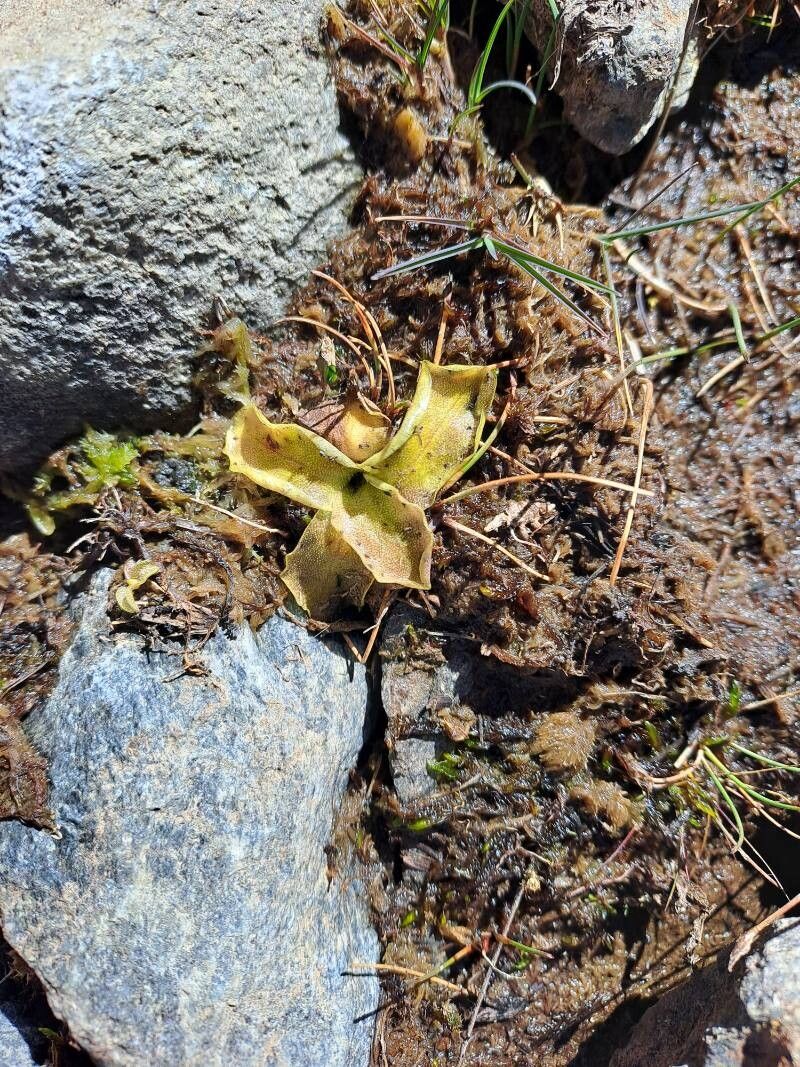
Oh, hello there, fellow plant enthusiast! I’m so glad you’ve stopped by. Today, we’re diving into the delightful world of Pinguicula nevadensis, often called the Nevada butterwort. If you’re looking for a truly captivating plant with its sticky, dew-covered leaves that gleam like tiny jewels, you’ve come to the right place. And the best part? Learning to propagate them is a wonderfully rewarding experience, even if I’ll admit, they can be a tad more fussy than your average succulent. But don’t let that deter you! With a little patience and these tips, you’ll be well on your way to more gorgeous butterworts.
The Best Time to Start
For Pinguicula nevadensis, the sweet spot for propagation is late spring to early summer. This is when the plant is actively growing and has plenty of energy to spare for making new babies. You’ll see its leaves plump up nicely, and new growth emerging enthusiastically. Trying to propagate when the plant is stressed or dormant is like asking someone to run a marathon on an empty stomach – it’s just not going to go well.
Supplies You’ll Need
Gathering your supplies beforehand makes the whole process so much smoother. Here’s what I keep on hand:
- Pots: Small, shallow pots or trays with drainage holes are perfect. About 2-3 inches in diameter.
- Potting Mix: A very gritty, well-draining mix is non-negotiable for butterworts. I usually use a blend of peat moss or coco coir with perlite and horticultural sand. Think about what a boggy area might be like, but then make it even more airy. You want lots of air pockets.
- Sharp Blade: A sharp, sterilized razor blade, scalpel, or small pruning shears is crucial for clean cuts. This minimizes the risk of disease.
- Watering Can or Mister: A fine-tip watering can or a good quality mister for gentle watering.
- Optional: Rooting Hormone: While not always necessary for butterworts, a tiny dab of a mild rooting hormone powder can sometimes give an extra boost. I find it’s usually not a big deal with fresh leaves.
- Optional: Humidity Dome or Plastic Bag: For maintaining consistent moisture around your cuttings.
Propagation Methods
For Pinguicula, leaf cuttings are your best friend. It’s surprisingly effective!
Leaf Cuttings
This is my go-to method for butterworts, and it’s quite straightforward.
- Select a Healthy Leaf: Look for a mature, healthy leaf on your plant. Avoid any that look yellowed or damaged.
- Make the Cut: Gently pull or cut the leaf from the base of the rosette. You want to get as much of the leaf base attached as possible, including a tiny bit of the white stem tissue if you can manage it without damaging the mother plant too much. A clean, swift cut is best.
- Prepare the Leaf: If you’re using rooting hormone, lightly dip the cut end into the powder. For this method, I often skip it.
- Plant the Leaf: Stick the cut end of the leaf about half an inch to an inch deep into your prepared, damp potting mix. You can plant several leaves in the same shallow tray, ensuring they have a bit of space between them.
- Water Gently: Water the mix lightly. You want it moist, but not waterlogged. A gentle spray from your mister works wonders.
- Provide Humidity: Cover the pot or tray with a plastic bag or a clear plastic dome to create a humid environment. This is critical for preventing the leaf from drying out before it can root.
- Find a Bright Spot: Place your cuttings in a bright location with indirect light. Direct sun will scorch them.
The “Secret Sauce” (Pro Tips)
Here are a couple of tricks I’ve learned over the years that can really make a difference:
- Avoid Direct Water Contact: When you water your cuttings, don’t let the leaves themselves sit in water. This is a fast track to rot. Aim to water the soil directly, or use a mister.
- Bottom Heat is Your Friend: If you have one, placing your tray on a gentle heat mat can significantly speed up the root development process. Butterworts, like many tropical plants, appreciate a little warmth from below.
- Patience is Paramount: Sometimes, you won’t see any signs of life for weeks, or even two months! Don’t get discouraged. Resist the urge to dig them up. Trust the process.
Aftercare & Troubleshooting
Once you start seeing tiny plantlets emerging from the base of your leaf cutting (hooray!), your job isn’t quite done.
- Gradual Acclimation: As the new plantlets grow, you can slowly start to acclimate them to lower humidity. Gradually lift the plastic dome or bag for longer periods.
- Continued Gentle Watering: Keep the soil consistently moist but never soggy. Let the surface of the soil dry slightly between waterings.
- Continued Bright, Indirect Light: Keep them in that perfect spot where they get plenty of light but no harsh sun.
- Watch for Rot: The biggest enemy of sticky-leaved plants is rot, often appearing as black, mushy spots on the leaves or the base of the cutting. If you see this, remove the affected leaf immediately and ensure good air circulation around your other cuttings. Overwatering is the most common culprit here.
- Slow Growth: Don’t expect overnight growth. Butterworts are generally slow growers, especially when young. Be patient.
A Encouraging Closing
See? It’s not impossibly difficult, just a bit delicate and requires a watchful eye. The thrill of seeing those tiny new butterworts emerge makes all the effort worthwhile. So, gather your supplies, choose your healthiest leaf, and give it a go. Remember to be patient, enjoy the quiet anticipation, and celebrate every little new shoot. Happy propagating!
Resource: