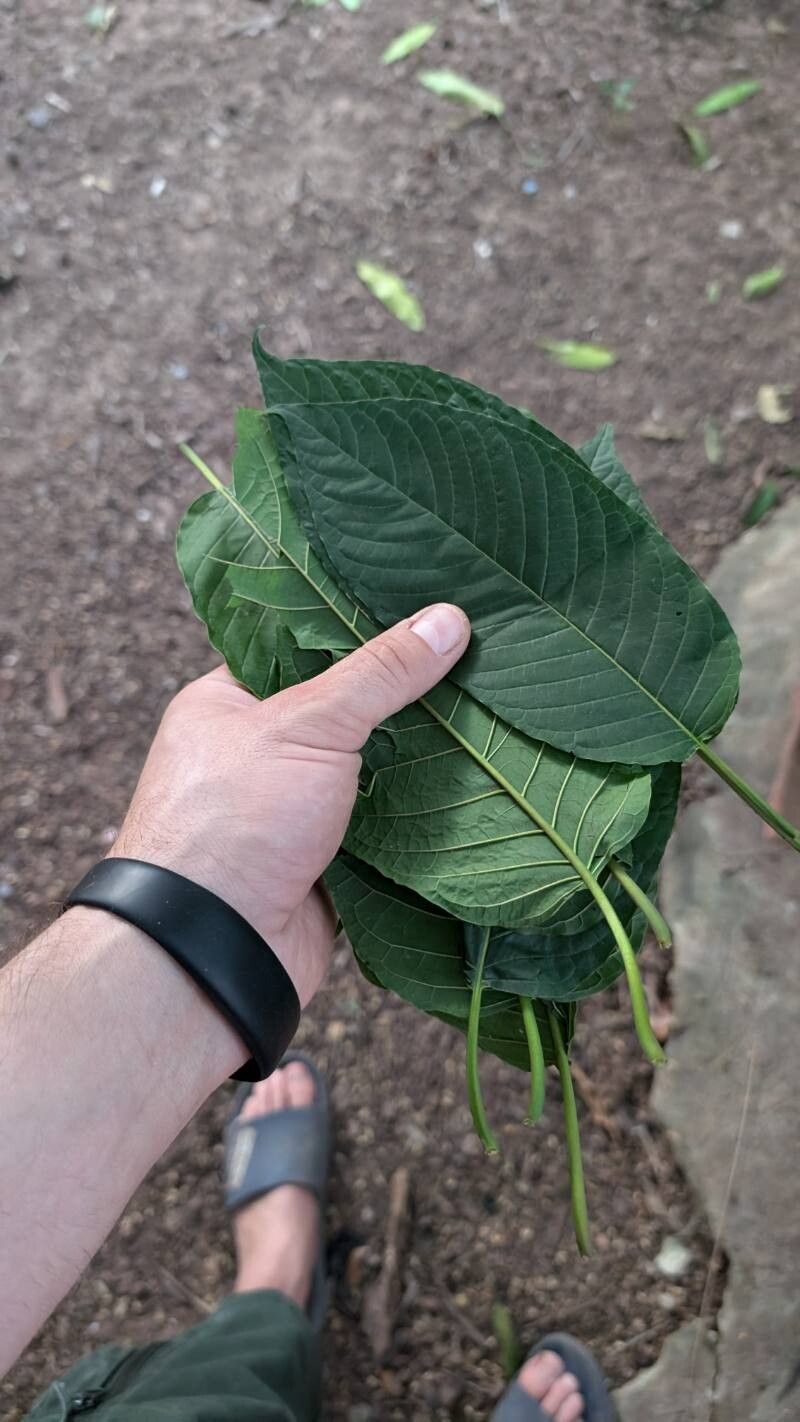
Oh, hello there! Come on in, grab a cuppa. I’ve been so excited to chat with you about a plant that’s really captured my heart over the years – Mitragyna speciosa, often known as the Kratom tree. Its lush, green leaves and the sheer satisfaction of bringing a new one to life from a tiny cutting? It’s truly special.
Now, about those beginner nerves. I’ll be honest, propagating Mitragyna speciosa isn’t like rooting a begonia. It can be a bit of a journey, and you might have a few tries before you get that perfect root. But don’t let that discourage you one bit! The rewards are so worth it, and with a little practice, you’ll be a pro in no time. It’s a rewarding challenge, if you ask me.
The Best Time to Start
For the absolute best chance of success, I always tell folks to tackle this in the late spring or early summer. This is when the plant is in its most vigorous growth phase. You’ll want to take cuttings from healthy, actively growing stems – not those that are old and woody, or too soft and new. Think of it as tapping into peak energy!
Supplies You’ll Need
Here’s what you’ll want to gather before you get your hands dirty:
- Sharp pruning shears or a clean, sharp knife: For taking clean cuts without crushing the stems.
- Rooting hormone: A powdered or gel formula really gives cuttings a boost.
- A well-draining potting mix: I like a blend of perlite, coco coir, and a little bit of peat moss. You want something airy that won’t hold too much moisture.
- Small pots or trays: About 4-6 inch pots are usually perfect. Make sure they have drainage holes!
- Plastic bags or a propagator: To create a humid microclimate for your cuttings.
- Watering can with a fine rose: Gentle watering is key.
Propagation Methods
There are a couple of ways we can get new Kratom plants going. I find stem cuttings to be the most reliable method for me.
Stem Cuttings
- Select your cutting: Find a healthy branch that’s about 6-8 inches long. Look for one that has new growth but isn’t too soft.
- Make the cut: Using your clean shears or knife, make a clean cut just below a leaf node. A leaf node is that little bump where a leaf meets the stem – that’s where the magic of rooting usually happens. Remove the bottom leaves, leaving just a couple at the very top.
- Apply rooting hormone: Dip the cut end of the stem into your rooting hormone, making sure to coat the part that will be in the soil. Tap off any excess.
- Plant your cutting: Fill your pot with the well-draining mix. Make a small hole in the center with your finger or a pencil. Gently insert the cutting into the hole, ensuring the leaf nodes are covered. Firm the soil gently around the base.
- Water gently: Give your planted cutting a light watering.
- Create humidity: Cover the pot with a clear plastic bag or place it in a propagator. This is crucial to keep the moisture levels high. You can use stakes to keep the bag from touching the leaves.
- Find a warm spot: Place the pot in a warm location with bright, indirect light. Avoid direct sun, which can scorch your young cutting.
I’ve also had some success with water propagation, though I find it a bit trickier for Mitragyna speciosa compared to soil.
Water Propagation (Use with Caution!)
- Prepare your cutting: Prepare your cutting as described above, but skip the rooting hormone for now.
- Place in water: Place the cutting in a clean jar or glass of room-temperature water. Make sure the leaf nodes are submerged, but crucially, don’t let any leaves touch the water.
- Change water regularly: Change the water every 2-3 days to keep it fresh and prevent rot.
- Provide light and warmth: Just like with soil cuttings, place it in a bright, indirect light location with warmth.
- Watch for roots: You’ll see tiny white roots start to emerge from the nodes. Once these roots are about an inch long, it’s time to carefully transplant them into soil. This step can be delicate, as they are fragile!
The “Secret Sauce”
Now, for a few nudges from my garden bench:
- Bottom Heat is Your Friend: If you have a seedling heat mat, ever so gently use it. This provides consistent warmth to the base of the cutting, which significantly encourages root development. Just don’t let the soil get too hot!
- Don’t Overwater, Ever! This is probably the most common mistake. Soggy soil is a grave for cuttings. Let the top inch of soil dry out slightly between waterings. It’s better to be a little too dry than too wet.
- Patience, Dear Gardener: I know it’s tempting to constantly check for roots. Resist! Give your cuttings at least 4-6 weeks before you try to gently tug them to check for resistance.
Aftercare & Troubleshooting
Once you see signs of new growth sprouting from the top nodes, that’s a good indicator that roots are forming below. You can also try a very gentle tug – if there’s resistance, roots are likely there! Slowly start to acclimate your new plant to normal humidity by puncturing the plastic bag more often or removing it for longer periods each day. Once it seems happy without the cover, you can remove it entirely.
The biggest culprit we’ll fight is rot. If the stem turns black and mushy, and there’s a foul smell, unfortunately, that cutting is likely lost. This usually means too much moisture, not enough air circulation, or a too-cool environment. Don’t beat yourself up; just try again with better drainage and perhaps a bit more warmth.
A Little Encouragement
So, there you have it! Propagating Mitragyna speciosa is a journey, and each cutting is a little experiment in your own green sanctuary. Be patient with yourself and the process. Keep those hands clean, give them a good environment, and most importantly, enjoy the wonder of watching life emerge. Happy growing!
Resource:
https://identify.plantnet.org/k-world-flora/species/Mitragyna%20speciosa%20Korth./data