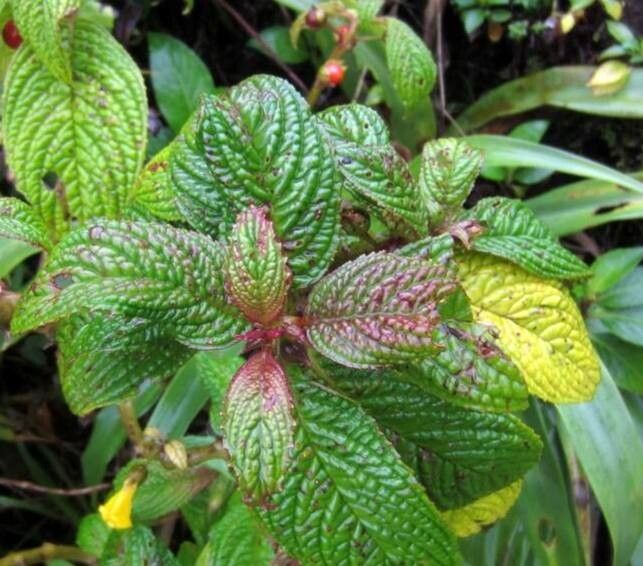
Hey there, fellow plant lovers! Today, we’re diving into the wonderful world of Besleria lutea. If you haven’t met this beauty before, imagine vibrant, tubular yellow flowers that practically sing with joy, often appearing against a backdrop of lush, green foliage. It’s a real showstopper, and honestly, coaxing new life from an established plant is one of the most satisfying gardening victories you can have. It does have a bit of a reputation for being a touch particular, so while I wouldn’t call it a “beginner plant” for propagation, it’s certainly achievable with a bit of know-how and patience. Think of it as a rewarding challenge!
The Best Time to Start
For Besleria lutea, the sweet spot for propagation is generally during the active growing season. This means late spring through early summer is your prime time. You want the plant to be full of vigor, ready to invest its energy into producing new roots and shoots. Trying to propagate when the plant is stressed or dormant is like asking someone to run a marathon after a cold – not the best recipe for success. Look for healthy, new growth that hasn’t hardened off too much.
Supplies You’ll Need
Here’s what I always have on hand when I’m getting ready to propagate:
- Sharp, clean pruning shears or a sharp knife: Rust or dirt can introduce diseases.
- Well-draining potting mix: I often use a mix of peat moss or coco coir, perlite, and good quality potting soil. You want it moist but not waterlogged.
- Rooting hormone (optional but recommended): A powdered or liquid hormone can give your cuttings a helpful boost.
- Small pots or trays: Clean, with drainage holes, of course!
- Plastic bags or a propagation dome: To create a humid environment for your cuttings.
- Water: For misting and, if you choose that method, for the cuttings themselves.
- Labels: So you don’t forget what you planted where!
Propagation Methods
I’ve found the most reliable way to propagate Besleria lutea is through stem cuttings. It’s straightforward and usually gives great results.
Stem Cuttings:
- Take the Cutting: Using your sharp shears, take a cutting that’s about 4-6 inches long from healthy, non-flowering stem growth. Make your cut just below a leaf node (the point where a leaf attaches to the stem). This is where the magic happens, where roots are most likely to form.
- Prepare the Cutting: Gently remove the lower leaves from the cutting, leaving just a couple of pairs at the top. If your cutting is long, you can even snip the remaining leaves in half to reduce water loss.
- Apply Rooting Hormone (if using): Dip the cut end of the stem into your rooting hormone, tapping off any excess.
- Plant the Cutting: Fill your small pots with your moist, well-draining potting mix. Make a little hole with your finger or a pencil and carefully insert the cutting, ensuring the leaf nodes are buried. Gently firm the soil around it.
- Create Humidity: Water the soil lightly. Then, cover the pot with a clear plastic bag or place it under a propagation dome. This creates a mini-greenhouse effect, keeping the humidity high, which is crucial for cuttings before they develop their own root system.
- Provide Light and Warmth: Place the pot in a bright spot with indirect light. Avoid direct sun, which can scorch the delicate cuttings. A little warmth from below can also be beneficial.
Water Propagation (Less Preferred, but Possible):
While I lean towards soil for Besleria, some folks have success with water. I generally find it leads to softer roots that are harder to transition to soil. If you try this:
- Follow steps 1 and 2 above.
- Place the cuttings in a jar or glass of clean water, making sure no leaves are submerged.
- Change the water every few days.
- Once you see encouraging root growth (a few centimeters long), you’ll need to carefully transition them to soil. This can be a tricky step for this particular plant.
The “Secret Sauce” (Pro Tips)
You know, gardening is full of little tricks that make a big difference. Here are a couple I swear by for Besleria:
- Don’t Let Those Leaves Touch the Water (for Soil Cuttings): When you water your potted cuttings, try not to let the leaves sit in excess water. This can lead to leaf rot, which is a terrible way to start a new plant’s life. Water the soil, not the plant.
- Bottom Heat is Your Friend: If you have a seedling heat mat, use it! Placing your propagation tray or pots on a gentle heat source can significantly speed up root development. It mimics the warmth of spring soil and gives those roots a real nudge.
- Patience with Hardening Off: Once your cuttings have developed a good root system (you can gently tug on them and feel resistance), it’s time to acclimate them to normal conditions. Gradually remove the plastic bag or dome, increasing the time they are exposed each day. Don’t rush this; it prevents shock.
Aftercare & Troubleshooting
Once your cuttings have roots – hooray! This is usually after 3-6 weeks, depending on conditions. You’ll know they’re ready when you see new leaf growth or feel good resistance when you gently tug. At this point, you can remove the plastic covering entirely.
Continue to keep the soil consistently moist but not soggy. They still need a bit of extra care as they establish themselves. Water them when the top inch of soil feels dry.
What to watch out for? The most common issue is rot. If your cuttings turn mushy, black, or yellow and limp, it’s usually a sign of too much moisture and not enough air circulation. Ensure your soil is well-draining and try to improve air flow around your plants. If you catch it early, you might be able to salvage a healthier section, but often, it’s sadly the end of the line. Don’t despair; it’s all part of the learning process!
So there you have it! Propagating your own Besleria lutea is a truly rewarding endeavor. It takes a little patience, a watchful eye, and a willingness to learn. Don’t be discouraged if your first attempt isn’t perfect; every plant and every cutting is a new lesson. Enjoy the journey of coaxing new life from your beloved plants – it’s one of the best feelings in the garden. Happy propagating!
Resource:
https://identify.plantnet.org/k-world-flora/species/Besleria%20lutea%20L./data