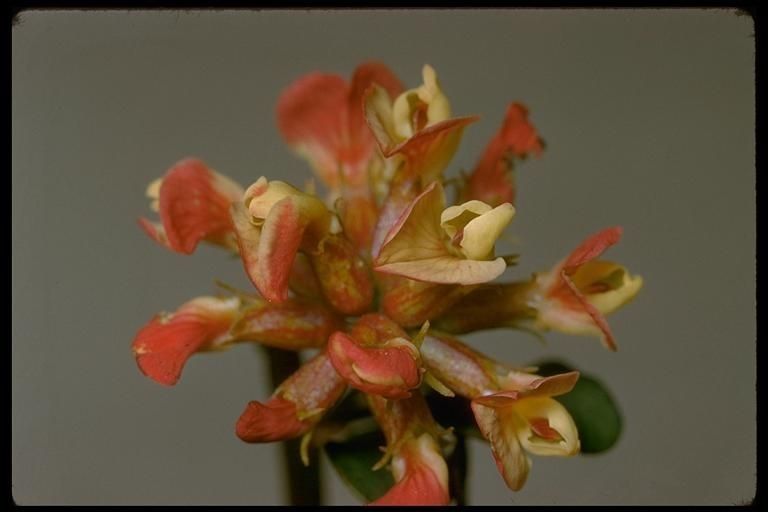
Oh, Acmispon cytisoides! What a delightful plant to have in your garden. You know, I’ve always loved this little shrub for its cheerful, bright yellow flowers that really brighten up the landscape, especially when other things are winding down. Its delicate, almost fern-like foliage is lovely too. And there’s something truly special about coaxing new life from a parent plant. It’s a connection to nature, isn’t it? For those of you wondering, I’d say propagating Acmispon cytisoides falls into the moderately easy category. A little patience and attention go a long way, and you’ll be rewarded with plenty of new little beauties to share or expand your own collection.
The Best Time to Start
The sweet spot for propagating Acmispon cytisoides is late spring to early summer. This is when the plant is actively growing, and new shoots are plump and full of energy. You’re looking for stems that are semi-hardwood – meaning they’ve started to firm up from their initial soft growth but aren’t old and woody yet. Think of it like a pencil; firm, but with a little give.
Supplies You’ll Need
Here’s what I like to have on hand when I’m getting ready to propagate:
- Sharp Pruning Shears or a Craft Knife: Cleanliness is key here, so make sure your tools are sterilized.
- Rooting Hormone: A powder or gel will give your cuttings a nice little boost, though it’s not strictly essential for this plant.
- Small Pots or Seed Trays: Something with drainage holes is a must.
- Propagation Mix: A great blend for this is 50% perlite and 50% peat moss or coco coir. It’s airy and drains well, which is crucial. You can also buy a seed-starting mix.
- Plastic Bags or a Clear Cover: To create a mini-greenhouse effect.
- Watering Can or Mister: For gentle watering.
- Labels and a Pen: To keep track of what you’ve planted and when.
Propagation Methods
I find stem cuttings to be the most reliable method for Acmispon cytisoides.
- Take Your Cuttings: Gently select healthy, new stems on your parent plant. Using your sharp, clean shears, cut stems about 4-6 inches long. Make your cut just below a leaf node (where a leaf attaches to the stem).
- Prepare the Cuttings: Carefully remove the lower leaves from the bottom half of the stem. You can leave the top couple of sets of leaves. If the remaining leaves are very large, you can even cut them in half horizontally to reduce water loss.
- Apply Rooting Hormone (Optional but Recommended): Dip the cut end of each stem into your rooting hormone, tapping off any excess.
- Plant Your Cuttings: Fill your small pots or trays with your propagation mix. Make a small hole with your finger or a pencil and gently insert the cutting, ensuring the nodes where you removed leaves are below the surface. Firm the soil gently around the stem.
- Water Gently: Water the mix thoroughly but gently, so as not to disturb the cuttings.
- Create a Humid Environment: Cover the pots with a clear plastic bag or a propagator lid. Ensure the leaves don’t touch the plastic if possible. This traps moisture, which is vital for the cuttings to callus over and begin forming roots.
The “Secret Sauce” (Pro Tips)
Here are a couple of things I’ve learned over the years that really make a difference:
- Bottom Heat is Your Friend: If you can, place your pots on a heat mat designed for seedlings. Acmispon cytisoides loves a bit of warmth from below while the top stays relatively cool. It really speeds up root formation.
- Don’t Drench, but Don’t Dry Out: The key is consistent moisture. I like to give my cuttings a light misting every day or two if I’m not using a plastic cover, or check the soil moisture if they’re covered. You want the soil to be damp, not waterlogged. Waterlogged soil is the fastest way to invite rot.
Aftercare & Troubleshooting
Once you start seeing signs of new growth – tiny leaves unfurling or a faint tug when you gently pull on a cutting – that’s a good sign that roots are developing! You can then gradually acclimatize your new plants to normal room conditions by opening the plastic cover a little more each day over a week or so. Once roots are well-established and filling the pot, you can pot them up into a slightly larger pot with a good quality potting mix.
The most common issue you might encounter is rot. This usually happens if the soil is too wet or there isn’t enough air circulation. If you see stems turning black and mushy, unfortunately, that cutting is likely lost. The trick is prevention: good drainage, proper watering, and that bit of warmth from below.
A Encouraging Closing
Propagating plants is a journey, and sometimes it takes a few tries to get it just right. Don’t be discouraged if not every single cutting takes. The satisfaction of watching these new little plants grow from a simple stem is immense. So, grab your shears, get your hands in the soil, and enjoy the magic of creating new life! Happy gardening!
Resource: