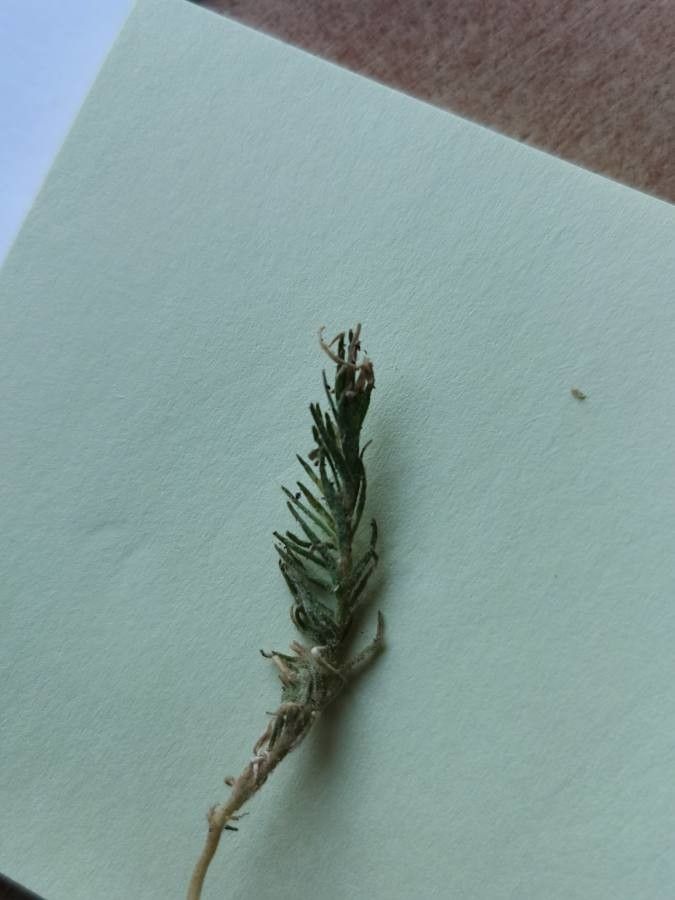
Oh, hello there! Come on in, grab a mug, and let’s chat about a truly delightful little plant: Linaria arenaria. If you’re looking for a burst of delicate, airy beauty in your garden, this is one you’ll want to get your hands on. Its whimsical flowers, often a soft yellow or lilac, dancing on slender stems, bring such a charming touch. And the best part? Sharing this charm with others by propagating it yourself is incredibly rewarding. For beginners, I’d say Linaria arenaria falls into the “moderately easy” category. It’s not as foolproof as a pothos, but with a little attention, you’ll be successful.
The Best Time to Start
When it comes to giving your Linaria arenaria cuttings the best chance, spring is your golden ticket. As the days start to lengthen and the soil warms up just a bit, the plant is actively growing and has plenty of energy to put into developing new roots. Aim for late spring or early summer, after the last risk of frost has passed and the plant is vigorous.
Supplies You’ll Need
To set yourself up for success, gather these handy helpers:
- Sharp pruning shears or a clean knife: For making precise cuts.
- Rooting hormone (optional but recommended): A gentle dusting can speed things up.
- Well-draining potting mix: A blend of peat moss, perlite, and a little sand works wonders. Commercial seed-starting mix is also a good option.
- Small pots or seed trays: With drainage holes, of course!
- Clear plastic bags or a propagator lid: To create a humid environment.
- Watering can or spray bottle: For gentle hydration.
Propagation Methods
Let’s get down to the nitty-gritty! The most reliable way to propagate Linaria arenaria is through stem cuttings.
- Take Your Cuttings: Find a healthy, non-flowering stem on your mature plant. Using your sharp pruning shears or knife, take a cutting that’s about 4-6 inches long. Make a clean cut just below a leaf node. This is where the magic happens – roots are most likely to form here.
- Prepare the Cuttings: Gently remove the lower leaves from the cutting, leaving just a few at the tip. This prevents them from rotting in the soil. If you’re using rooting hormone, dip the cut end into it now.
- Plant the Cuttings: Fill your small pots or trays with your well-draining potting mix. Make a small hole with your finger or a pencil. Insert the cut end of your Linaria arenaria cutting into the hole, ensuring at least one leaf node is buried beneath the surface. Gently firm the soil around the stem.
- Create a Humid Environment: Water the soil lightly, then cover the pots with a clear plastic bag or place them inside a propagator with a lid. This locks in moisture, which is crucial for cutting success.
The “Secret Sauce”
Now for a couple of little things I’ve learned over the years that can really make a difference:
- Bottom Heat is Your Friend: If you can, place your pots on a gentle heat mat. This provides warmth to the base of the cuttings, encouraging root development much faster than ambient room temperature alone. It mimics the warmth of spring soil beautifully.
- Don’t Overwater, But Keep it Consistently Moist: It’s a delicate balance. You want the soil to be consistently moist, like a wrung-out sponge, but never waterlogged. Too much water is the quickest way to invite rot. A light misting with a spray bottle can also help keep the leaves happy and hydrated.
Aftercare & Troubleshooting
Once you’ve got your cuttings potted up, the next phase is all about patience. Keep them in a bright, indirect light location. Avoid direct sun, which can scorch those delicate baby leaves. You should start seeing signs of rooting within a few weeks. You might notice tiny new leaves emerging, or if you gently tug on a cutting, you’ll feel a bit of resistance.
The most common pitfall is rot. If you see your cuttings turning mushy or developing black spots, it’s usually a sign of too much moisture. Your best bet is to remove the affected cutting immediately and check your watering routine. If they just seem to be wilting without any new growth, they might be getting too much direct sun or not enough humidity.
A Encouraging Closing
Propagating Linaria arenaria is a wonderful way to extend your enjoyment of this lovely plant. Don’t get discouraged if your first few attempts aren’t perfect. Gardening is all about learning and observing. Enjoy the process, celebrate your successes (no matter how small!), and soon you’ll have a whole garden of these little beauties to share. Happy growing!
Resource:
https://identify.plantnet.org/k-world-flora/species/Linaria%20arenaria%20DC./data