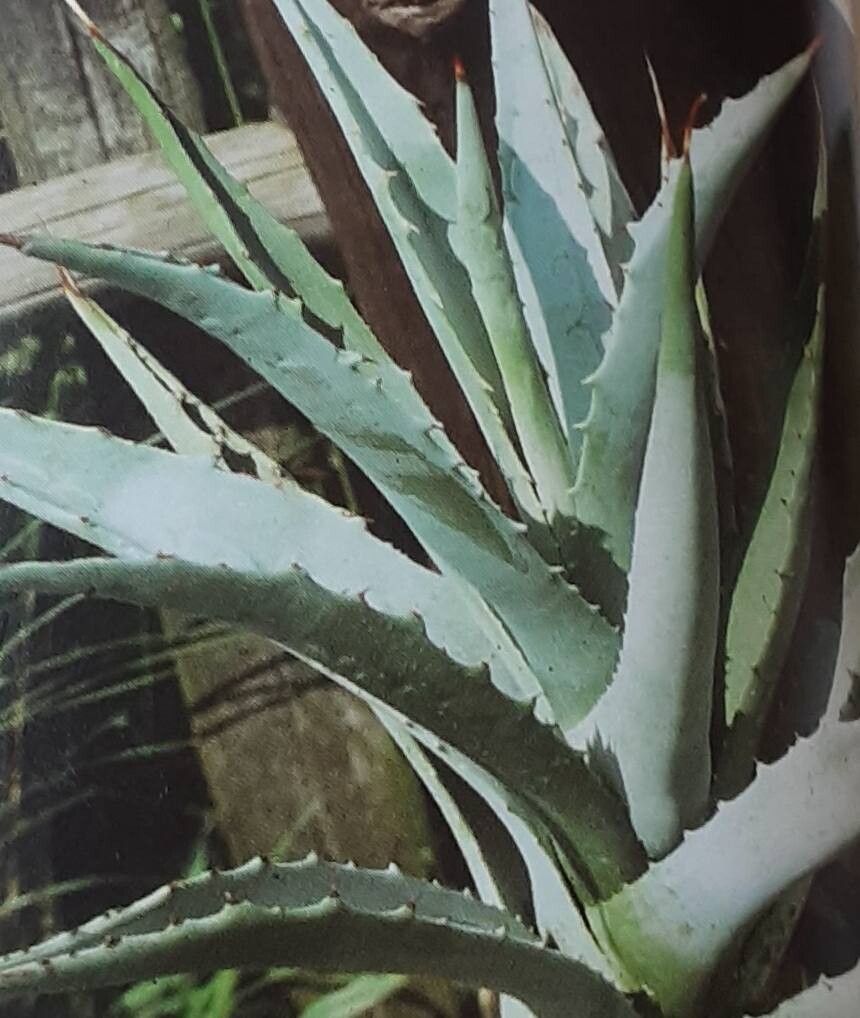
Hey there, fellow plant lovers! Today, we’re diving into the wonderful world of propagating Agave cerulata, often called the ‘Blue Flame Agave’ for its striking blue-green leaves that form a gorgeous rosette. There’s something incredibly satisfying about nursing a tiny baby agave into a magnificent specimen, isn’t there? It’s a fantastic way to expand your collection, share with friends, or even just appreciate the resilience of these desert beauties. Now, if you’re a beginner, I’d say propagating agave is moderately easy. It takes a little patience and attention to detail, but the rewards are definitely worth it!
The Best Time to Start
When it comes to getting new agaves going, late spring through early fall is your golden window. This is when the plant is actively growing and has plenty of energy to put into developing roots. You’ll find the most success if you’re working with pups that have already detached themselves, or if you’re taking cuttings from a mature plant during its peak growth period.
Supplies You’ll Need
Before we get our hands dirty, let’s gather our tools. Think of it as prepping your little workstation!
- Well-draining soil mix: A cactus/succulent mix is perfect. You can also make your own by combining potting soil with perlite or coarse sand (about a 1:1 ratio).
- Clean, sharp pruning shears or a knife: For making clean cuts.
- Rooting hormone (optional): This can give your cuttings a little boost, but it’s not strictly necessary for agave.
- Gloves: Agaves can have sharp edges!
- A small pot or tray: For your new babies. Make sure it has drainage holes.
- A shallow dish or tray: If you plan on water propagation.
- Spray bottle: For a gentle mist.
Propagation Methods
Agaves are pretty adaptable, and we have a couple of great methods for bringing new ones into the world.
1. Propagating Pups (Offsets)
This is by far the easiest and most common way to propagate agave. Mature agaves often send up little baby plants, called pups, from their base.
- Gently remove the mother plant from its pot. If the pups are still attached, you’ll want to do this when the soil is a bit dry.
- Carefully go around the base of the pup with your fingers or a small trowel. You’re looking for a place where the pup is naturally connected to the mother plant.
- Using your clean pruning shears or knife, carefully sever the connection. Try to get as much of the pup’s root system as possible.
- If there’s a lot of residual sap, you can let the pup sit out of soil for a day or two in a dry, shaded spot. This helps the cut end callous over, preventing rot.
- Once calloused, plant the pup in your well-draining soil mix. You can nestle it in gently, ensuring the base is covered. Don’t bury it too deep.
2. Stem Cuttings
This method is for when you have a mature plant that has started to produce a stem, often from a previous flower stalk.
- Identify a healthy section of the stem. You’ll want a piece that has some leaf nodes.
- Using your sharp shears, cut a section of the stem about 4-6 inches long. Make sure it has at least a couple of leaf nodes.
- Remove any lower leaves from the cutting.
- Again, let the cutting sit in a dry, shaded spot for a few days to a week to allow the cut end to callous over completely. This is a crucial step for preventing rot.
- Once calloused, you can either place the cutting directly into well-draining soil, burying the calloused end slightly, or try water propagation.
3. Water Propagation
This is a fun way to watch the roots develop!
- Prepare your stem cutting as described above, ensuring the calloused end.
- Fill a shallow dish or jar with clean water.
- Crucially, make sure no leaves are submerged in the water. This is a common mistake that leads to rot. You want only the calloused stem end touching the water.
- Place the cutting in the water.
- Keep it in a bright spot with indirect sunlight. Change the water every few days to keep it fresh.
The “Secret Sauce” (Pro Tips)
Alright, let’s get a little advanced. These are a few tricks I’ve picked up over the years that really make a difference.
- Don’t rush watering after planting a pup or cutting. Give that calloused wound time to heal in nice, dry soil for at least a week, especially if it was a large cut. Water too soon, and you’re asking for rot.
- For stem cuttings, consider a little bottom heat. A heating mat designed for seedlings can really speed up root development. Agave plants love warmth, and it encourages those roots to start reaching out!
Aftercare & Troubleshooting
Once you see signs of new growth – maybe a tiny pup starting to emerge from the base of a cutting, or a bit of swelling on the cut end – you’re on the right track!
- For pups planted in soil: Water very sparingly at first. Let the soil dry out completely between waterings. You can then gradually increase watering as the plant establishes itself.
- For water-propagated cuttings: Once you have a good network of roots about an inch long, you can carefully transplant them into your well-draining soil mix. Treat them gently.
- Watch out for rot: The biggest enemy of young agave is rot. If your cutting turns mushy or black, it’s a sign of too much moisture or an uncalloused wound. Unfortunately, this is usually a sign it’s unlikely to recover.
Don’t get discouraged if a few don’t make it! It’s all part of the learning process. The key is providing the right conditions and giving them time. Be patient with your new agave babies. Watch them grow, and enjoy the satisfaction of seeing your efforts flourish. Happy propagating!
Resource:
https://identify.plantnet.org/k-world-flora/species/Agave%20cerulata%20Trel./data