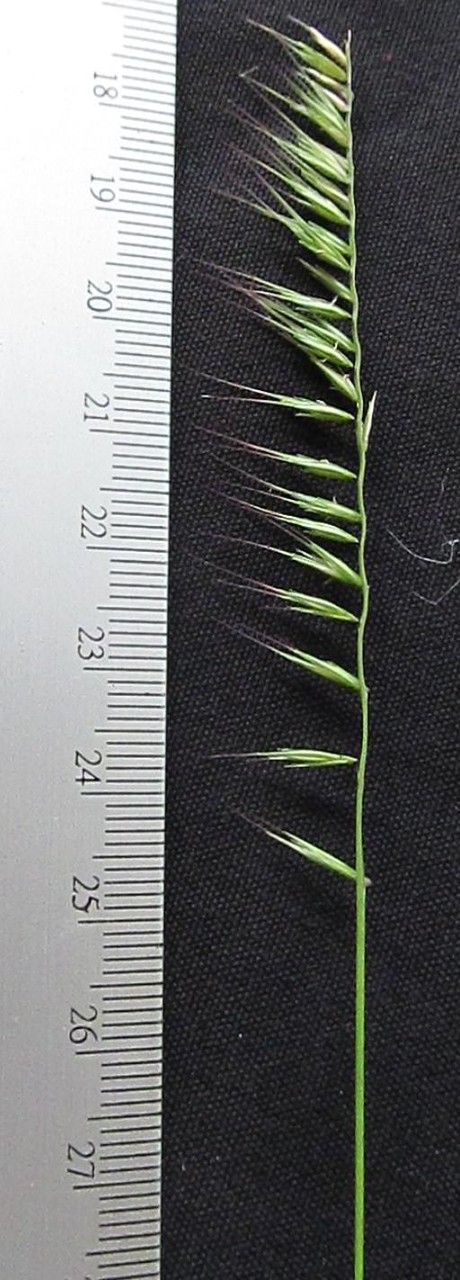
Oh, hello there! Come on in, grab a cup of coffee. Let’s chat about Bouteloua disticha, shall we? If you’re like me, you’ve probably admired its delicate, ethereal beauty in gardens, those arching, grass-like stems topped with little airy seed heads. It adds such wonderful movement and texture, doesn’t it? And the best part? You can absolutely have more of it!
The Joy of Growing More Bouteloua Disticha
Propagating Bouteloua disticha is a truly rewarding experience. It’s like coaxing a little bit of that garden magic into your own hands. You get to witness new life unfurling, and soon enough, you’ll have a lovely little baby plant to enjoy or share. For beginners, I’d say this lovely grass falls somewhere in the approachable-to-moderately-easy category. A little patience and attention to a few key details, and you’ll be well on your way.
When to Make Your Move
The absolute best time to start propagating Bouteloua disticha is when the plant is actively growing. Think late spring through early summer. The weather is warm, the days are long, and the plant has plenty of energy to dedicate to root development. Waiting until after it has finished its main flowering cycle is also a good bet, as the plant isn’t expending as much energy on seed production.
Your Propagation Toolkit
Here’s what you’ll want to have ready:
- Sharp Pruning Shears or a Craft Knife: For clean cuts, essential for healthy new growth.
- Small Pots or Seed Trays: Clean ones, please! About 4-6 inches deep are ideal.
- Well-Draining Potting Mix: I like a mix of high-quality potting soil with plenty of perlite or coarse sand. You can even find specific seed-starting mixes.
- Watering Can with a Fine Rose: To water gently without disturbing new cuttings.
- Plastic Bags or a Clear Dome Propagator: To create a humid environment.
- Rooting Hormone Powder (Optional but helpful): Especially for stem cuttings, it can give them a nice little boost.
- Labels and a Pen: You’ll want to remember what you’ve planted and when!
Bringing New Life: Propagation Methods
For Bouteloua disticha, I find that division is often the most straightforward and successful method. It’s like giving your mature plant a little haircut and a chance to expand.
Propagation by Division:
- Excavate with Care: Gently dig around the base of your Bouteloua disticha plant. You want to expose the root ball without causing too much damage.
- Inspect and Separate: Once you have the plant mostly out of the soil, you’ll see clumps or sections that are already separated by their root structure. You can use your hands to gently pull these sections apart, or if they’re very tight, use a clean, sharp spade or even your pruning shears to divide the root ball. Aim for sections that have both roots and some leafy growth.
- Pot Up Your New Friends: Fill your clean pots with your well-draining mix. Make a hole in the center of each pot, large enough to accommodate the roots of your division.
- Planting Them In: Place each division into its hole, ensuring the roots are spread out. Backfill with soil, gently firming it around the base to remove any air pockets. The top of the root ball should be level with the soil surface.
- Water Consistently: Water each pot thoroughly until water runs out of the drainage holes. Keep the soil consistently moist but not waterlogged.
The “Secret Sauce”: My Insider Tips
Now, for a few little tricks I’ve picked up over the years:
- Don’t Drench the Dust: When you divide, try to give the roots a gentle shake to remove excess old soil. This allows your new potting mix to better integrate with the existing root system, giving it a fresh start. If the roots are very dry and compacted, a very brief soak in lukewarm water can help loosen them.
- Mimic the Mother’s Embrace: Once potted, group your divisions together in a sheltered spot. A light misting every day or two can help keep the foliage hydrated while they settle in. You can even place the pots inside a loosely tied plastic bag to increase humidity, but make sure the foliage doesn’t sit directly in any condensed water.
- Patience is a Gardener’s Best Friend: Resist the urge to tug on your new plants! It takes time for roots to establish. Until you see new green growth emerging from the crown, assume they are busy working underground.
Aftercare and What to Watch For
Once your Bouteloua disticha divisions look happy and are showing signs of new growth (often a flush of fresh green leaves), they’re ready for a bit more independence.
- Gradual Acclimation: If you used a plastic bag or propagator, start by removing it for a few hours each day, gradually increasing the time until it’s completely off.
- Watering Routine: Continue to keep the soil evenly moist, especially when they’re young and establishing. As they grow, you can transition to a watering schedule that suits the plant’s needs, allowing the top inch of soil to dry out slightly between waterings.
- Trouble Signs: The biggest culprit for new propagation failures is usually rot. This happens when the soil stays too wet and the roots can’t breathe. You’ll notice wilting, yellowing leaves, and possibly a blackening at the base of the stem or roots. If you see this, it’s often too late, but it’s a good reminder to ease up on the watering. Other signs of distress might be dried-out, crispy leaves, indicating it needs more humidity or water.
Happy Growing!
So there you have it! Propagating Bouteloua disticha is a wonderfully accessible way to expand your collection. Be gentle, be patient, and most importantly, enjoy the process. Watching these beautiful grasses take root and thrive is such a fulfilling part of gardening. Happy propagating!
Resource:
https://identify.plantnet.org/k-world-flora/species/Bouteloua%20disticha%20(Kunth)%20Benth./data