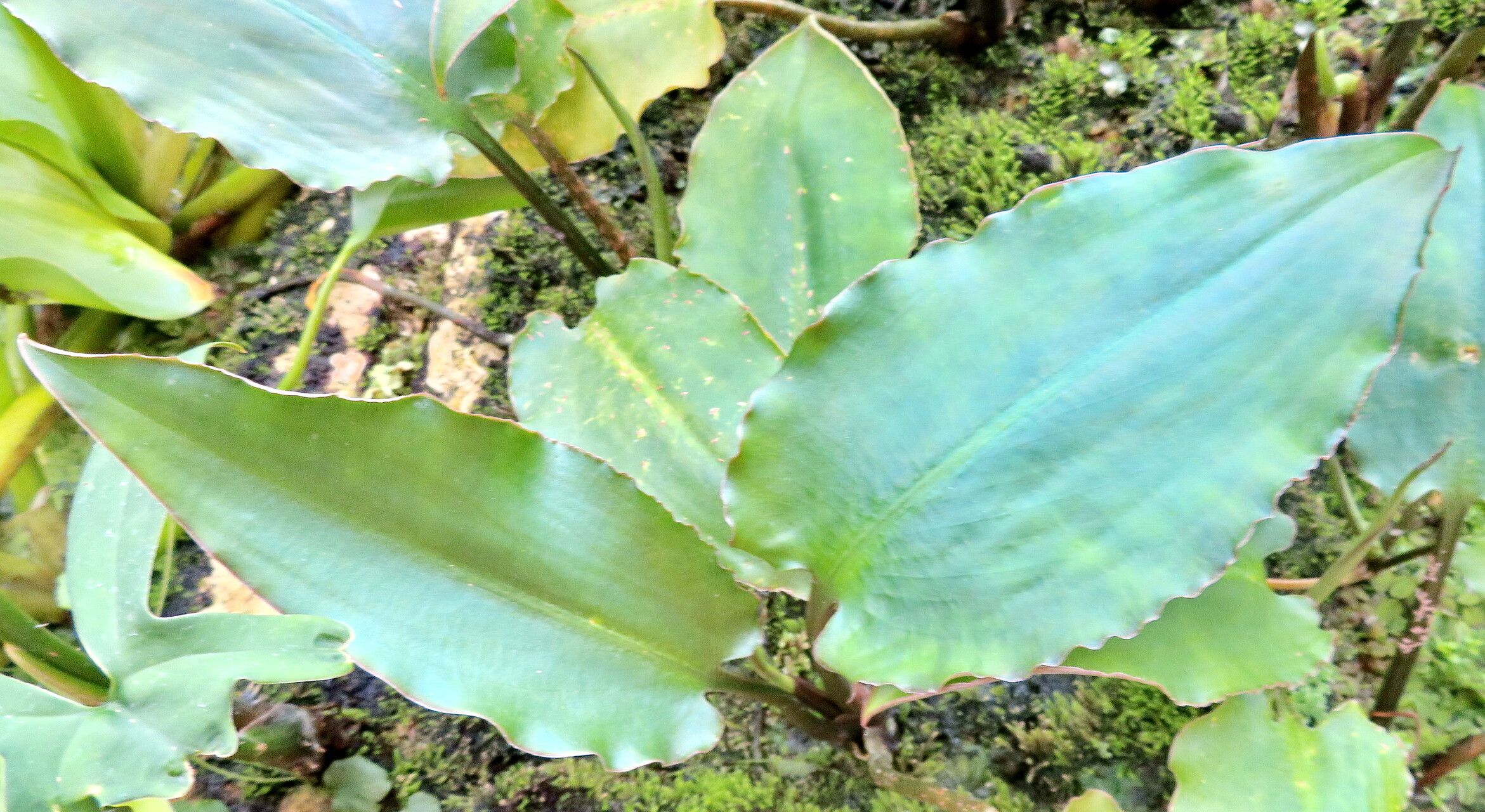
Hello, plant pals! It’s so good to be back in the digital greenhouse with you. Today, we’re diving into the wonderful world of Cryptocoryne ciliata. Now, I know what you might be thinking – aquatic plants can seem a little… intimidating. But trust me, C. ciliata is a truly rewarding beauty to cultivate, and propagating it yourself is a fantastic way to expand your aquatic collection without breaking the bank. It’s not exactly a ‘throw-it-in-and-forget-it’ plant for absolute beginners, but with a little care and attention, even a novice hobbyist can achieve success.
The Best Time to Start
Timing is everything, wouldn’t you agree? For Cryptocoryne ciliata, the absolute sweet spot for propagation is when the plant is actively growing. This usually means the late spring and summer months when water temperatures are warm and light levels are at their peak. You’re looking for a healthy, well-established plant that’s showing vigorous new growth. Trying to propagate during cooler, darker months can lead to slower progress and, frankly, more disappointment.
Supplies You’ll Need
Don’t worry, you won’t need a whole chemistry lab for this! Just a few handy items will do the trick:
- Sharp pruning shears or a clean knife: For making neat cuts.
- Rinsed aquarium substrate: A fine sand or small-grained gravel works well.
- A small container or pot: Something that can hold your cutting and substrate.
- Aquarium water: To keep your new cuttings hydrated.
- Rooting hormone (optional but recommended): A liquid or powder form can give your cuttings a helpful boost.
- Tweezers or long forceps: Handy for placing cuttings and substrate.
- A lid or plastic wrap: To create a humid environment if propagating out of water.
Propagation Methods
Cryptocoryne ciliata primarily propagates through a method called division, and it’s quite straightforward once you get the hang of it.
Division: This is the most common and successful way to get more C. ciliata.
- Gently remove the parent plant from its aquarium, taking care not to damage its roots too much.
- Carefully rinse off excess substrate. You want to see the base of the plant and any emerging shoots.
- Look for side shoots or ‘pups’ that have naturally formed at the base of the mother plant. These are essentially miniature versions of the adult that have their own root system.
- Using your sharp pruning shears or a clean knife, gently separate a healthy-looking pup from the main plant. Try to get a good portion of its roots along with it. If a pup doesn’t have developed roots yet, don’t deselect it; it just might take a little longer to establish.
- Plant the separated pup in its own small pot or directly into a designated area of your aquarium using your substrate. Ensure the crown of the plant (where the leaves emerge) is just above the substrate level.
- Submerge the new planting in aquarium water.
The “Secret Sauce” (Pro Tips)
Here are a couple of little tricks I’ve picked up over the years that really make a difference:
- Don’t bury the crown! This is crucial. The point where the leaves emerge from the stem is sensitive. Burying it can lead to rot. It should sit just at or proud of the substrate surface.
- Patience with pups. Some pups will take off immediately, while others might seem to sulk for a few weeks. Resist the urge to disturb them. As long as they look healthy and aren’t decaying, they are working on their roots. Just keep the water clean and the light consistent.
Aftercare & Troubleshooting
Once your new C. ciliata is planted, give it some gentle care. Keep the water pristine and the lighting consistent. If you’ve planted it in a separate container out of the aquarium, mist it gently a couple of times a day to maintain high humidity.
The biggest sign of trouble is rot. This often looks like a mushy, brown stem or leaves detaching easily. If you see this, act fast. You might be able to salvage a healthy part of the stem, but often, it’s best to discard the affected portion to prevent it from spreading. Overly stagnant water or too much direct, intense light can sometimes contribute to this. Ensure good water flow around the base of the plant.
A Encouraging Closing
Growing plants is a journey, and propagating them is one of the most satisfying parts of that journey. Cryptocoryne ciliata may require a bit of patience, but seeing a new little plant sprout and thrive from a division is incredibly rewarding. So, grab your tools, find a healthy specimen, and give it a try! Enjoy the process, celebrate every new leaf, and happy growing!
Resource:
https://identify.plantnet.org/k-world-flora/species/Cryptocoryne%20ciliata%20(Roxb.)%20Schott/data