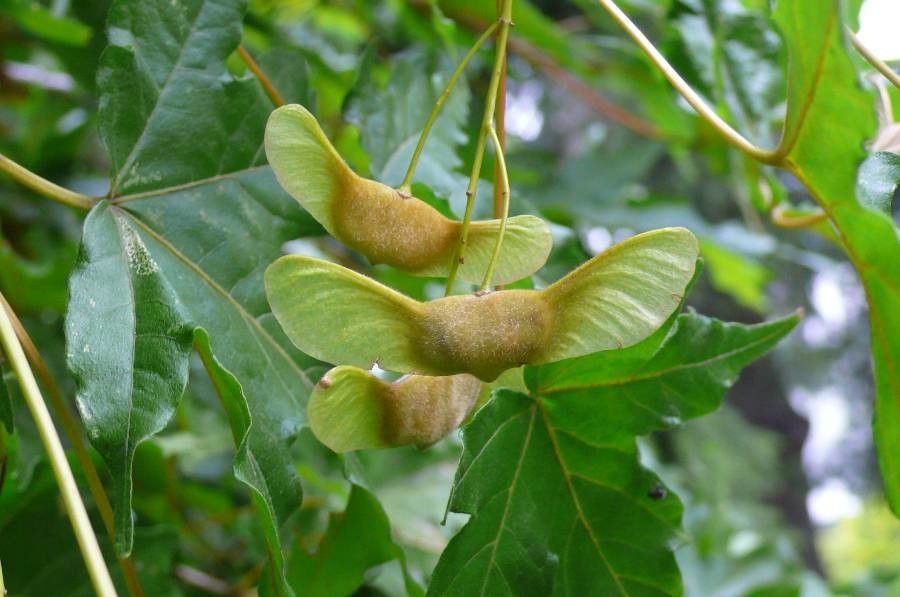
Grow More Miyabei: Your Guide to Propagating This Beautiful Maple
Hello fellow plant lovers! Today, I’m so excited to chat about one of my personal favorites: Acer miyabei, also known as Miyabei Maple. With its beautiful, glossy green leaves and often impressive fall color, this tree adds such elegance to any landscape. And the best part? You can absolutely grow more of them yourself! Propagating a Miyabei Maple is a wonderfully rewarding process, watching a tiny cutting transform into a future tree. Now, for you beginners out there, I’ll be honest – Miyabei Maple can be a tad more challenging than something like a pothos. But with a little patience and these tips, you’ll be well on your way to success.
When is the Perfect Moment?
The sweet spot for propagating Miyabei Maple is generally in early to mid-summer. This is when the plant is actively growing, and you can take what we call semi-hardwood cuttings. These are cuttings from stems that have started to mature slightly, are no longer floppy and green, but haven’t fully hardened off like a fully mature branch. Think of a pencil – firm but still a little yielding.
What You’ll Need for Your Propagation Station
Gathering your supplies ahead of time makes the whole process smoother. Here’s what I always have on hand:
- Sharp Pruning Shears or a Clean Knife: For making clean cuts.
- Rooting Hormone: A powdered or liquid rooting enhancer really helps those cuttings get going.
- Well-Draining Potting Mix: A good blend of peat moss or coco coir, perlite, and maybe a touch of compost works wonders. I often use a mix specifically designed for cuttings.
- Small Pots or Trays: With drainage holes, of course!
- Plastic Bag or Clear Dome: To create a humid microclimate.
- Small Stakes (optional): To support the plastic bag if needed.
- Spray Bottle: For misting.
- Rubbing Alcohol: To sterilize your tools.
Let’s Get Those Cuttings Rooting!
For Miyabei Maple, stem cuttings are the most reliable method. Here’s how I do it:
- Select Your Cuttings: Head out to your healthy Miyabei Maple. Look for those semi-hardwood stems I mentioned. You want cuttings that are about 4-6 inches long.
- Make the Cut: Using your clean pruning shears or knife, make a clean cut just below a leaf node. A leaf node is where a leaf attaches to the stem; it’s where roots are most likely to form.
- Prepare the Cutting: Gently remove the lower leaves from the stem, leaving just a few at the top. This prevents them from rotting in the soil and encourages the plant to focus its energy on root development. If your leaves are very large, you can even cut them in half to reduce water loss.
- Dip in Rooting Hormone: Moisten the cut end of the stem slightly, then dip it into your rooting hormone. Tap off any excess.
- Planting Time: Fill your small pots with your well-draining potting mix. Moisten the soil gently. Make a small hole with your finger or a pencil, and insert the cutting. Firm the soil gently around the base.
- Create the Humidity Tent: Water the soil lightly. Then, you can either cover the pot with a clear plastic bag (make sure the leaves aren’t touching the plastic!) or place a clear plastic dome over it. If you’re using a bag, you might need a stake to keep it from drooping onto the leaves.
My “Secret Sauce” for Extra Success
Here are a couple of things I’ve learned over the years that really seem to give my cuttings a boost:
- Bottom Heat is Your Friend: Placing your pots on a heat mat designed for seedlings can significantly speed up root formation. It mimics the warmth of summer soil and encourages those roots to explore.
- Don’t Drown Them! Once your cuttings are planted, mist the leaves lightly every day or two, especially if you’re not using a closed dome system. The goal is to keep the leaves hydrated while the soil is consistently moist but never soggy. Soggy soil is the fast track to rot.
Nurturing Your New Shoots & What to Watch For
Once your cuttings have been in their humid environment for a few weeks, you’ll want to begin the hardening off process. This means gradually introducing them to normal room humidity. Start by removing the plastic bag or dome for an hour or two each day, slowly increasing the time until they can be left out entirely.
How do you know they’ve rooted? Look for new leaf growth. That’s a sure sign! It can take anywhere from 4 to 12 weeks, so be patient.
The biggest enemy here is rot. If you see the stem turning mushy and black, or the leaves wilting and looking sickly even though the soil is moist, it’s likely rot. This is usually caused by too much moisture and not enough air circulation. Unfortunately, once rot sets in, it’s very hard to save the cutting.
Keep the Green Dream Growing!
Propagating Miyabei Maple is a journey, and sometimes not every cutting makes it. That’s perfectly okay! Think of it as an experiment. Each attempt teaches you something new. Enjoy the process of nurturing these little beginnings, and celebrate every sprout of new growth. Happy propagating!
Resource:
https://identify.plantnet.org/k-world-flora/species/Acer%20miyabei%20Maxim./data