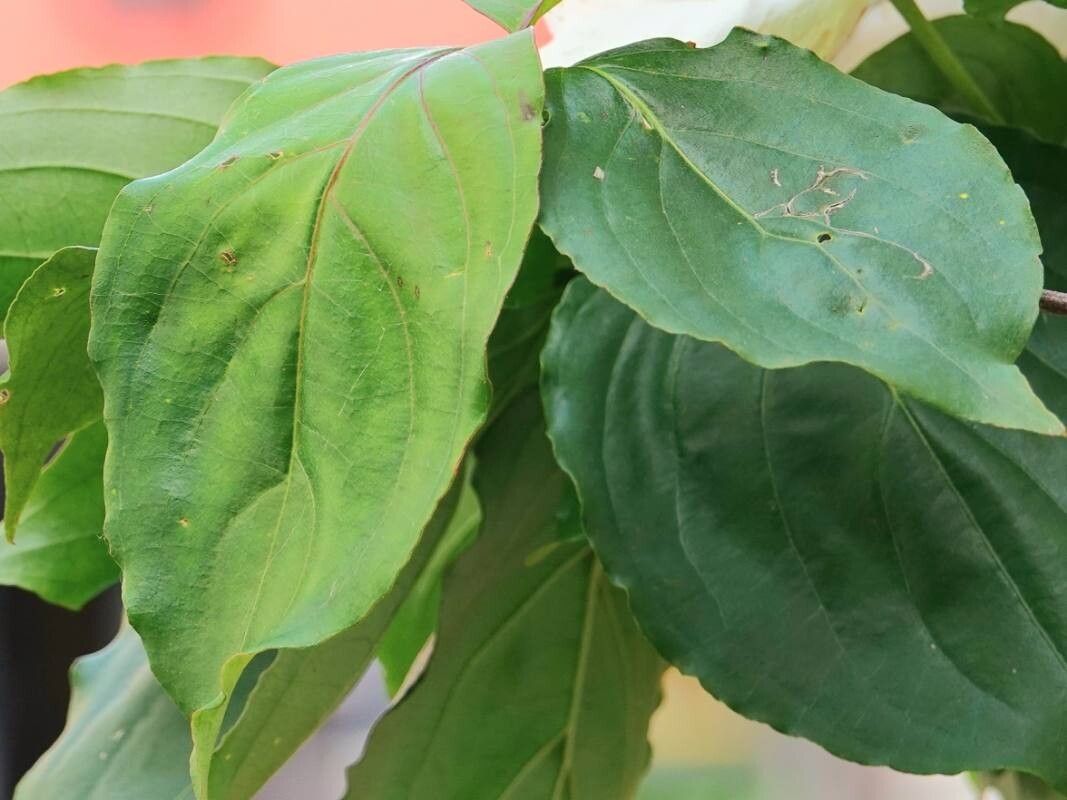
Oh, hello there! I’m so delighted you’re considering bringing more of these beautiful Cornus capitata into your garden. Honestly, is there anything quite like those delicate, pagoda-like flower bracts in spring, followed by those tantalizing strawberry-like fruits? They really are showstoppers. And the best part? You can multiply these beauties yourself!
Now, as for whether Cornus capitata is a beginner-friendly plant to propagate, I’d say it’s moderately challenging. It’s not impossible for newcomers, but having a few successes under your belt already can certainly boost your confidence. But don’t let that deter you! With a little patience and some insider know-how, you’ll be well on your way.
The Best Time to Start
For me, the sweet spot for propagating Cornus capitata is late spring to early summer. This is when the plant is actively growing, and its stems have matured enough to be considered semi-hardwood. You’re looking for new growth that’s starting to firm up but hasn’t completely woody out. Think of it as that perfect in-between stage.
Supplies You’ll Need
Gathering your tools beforehand makes the whole process so much smoother:
- Sharp pruning shears or a clean, sharp knife: For taking clean cuts.
- Rooting hormone (powder or liquid): This gives your cuttings a real head start.
- Small pots or seed trays: Clean ones with good drainage are a must.
- Well-draining potting mix: A mix of peat moss, perlite, and a little compost works wonders. You can also buy specialized cuttings compost.
- Plastic bags or a propagator lid: To create a humid environment.
- Watering can with a fine rose or a spray bottle: For gentle watering.
- Soft pencil or plant labels: To keep track of your cuttings.
Propagation Methods
Let’s get our hands dirty! The most successful method for Cornus capitata, in my experience, is stem cuttings.
Stem Cuttings (Semi-hardwood):
- Select Your Cuttings: Head out to your Cornus capitata and look for healthy, current season’s growth. You want stems that are about the thickness of a pencil and roughly 4-6 inches long. You can tell they’re ready if you can snap a stem cleanly, rather than bend it.
- Make the Cut: Using your clean shears or knife, take cuttings from just below a leaf node. This is a point on the stem where a leaf grows.
- Prepare the Cuttings: Gently remove the lower leaves. Aim to leave just two or three sets of leaves at the top. If the remaining leaves are quite large, you can even cut them in half horizontally to reduce water loss through transpiration.
- Dip in Rooting Hormone: Lightly dampen the cut end of each cutting, then dip it into your rooting hormone. Tap off any excess.
- Plant Your Cuttings: Fill your pots or trays with your prepared potting mix. Make a small hole with a pencil in the center of the soil, then insert the cutting, ensuring the hormone-coated end is in the soil. Gently firm the soil around the base. You can plant several cuttings in one pot, just make sure they aren’t touching each other.
- Water Gently: Water your newly planted cuttings thoroughly but gently. You want the soil to be moist, not waterlogged.
The “Secret Sauce” (Pro Tips)
Here are a couple of things I’ve learned over the years that can really make a difference:
- Bottom Heat is Your Friend: Cornus capitata roots much more readily if it has a bit of warmth coming from underneath. A warmed propagator or even placing your pots on a heat mat designed for seedlings can significantly speed up the rooting process. You’re aiming for a consistent soil temperature of around 70-75°F (21-24°C).
- Cleanliness is Paramount: I can’t stress this enough. Always use sterilized tools and pots. Fungus and bacteria are the arch-nemesis of cuttings, and a clean start is your best defense against rot. A quick dip of your shears in rubbing alcohol between cuts is a good habit.
Aftercare & Troubleshooting
Once your cuttings are nestled in their new homes, it’s time for pampering them.
- Create a Humid Environment: Cover your pots with a clear plastic bag or the lid of your propagator. This traps moisture and keeps the humidity high, which is crucial for those cuttings that don’t have roots yet to draw water. Just make sure the leaves aren’t touching the plastic if possible, as this can encourage rot.
- Provide Bright, Indirect Light: Place your propagator in a location that gets bright light but avoid direct, harsh sunlight. Too much sun can scorch the tender leaves and overheat the enclosed environment.
- Monitor Moisture: Check the soil moisture regularly. It should always feel damp, but never soggy. If it starts to dry out, give it a gentle watering. You might need to air out the propagator for a few minutes each day to prevent mold.
- Be Patient! Rooting can take anywhere from 4 to 8 weeks, or sometimes even longer, depending on the conditions. The tell-tale sign that your cutting has rooted is when you see new leaf growth appearing. You can also give a very gentle tug – if there’s resistance, the roots are forming!
Troubleshooting: The most common issue you’ll encounter is rot. If you see your cuttings turning black and mushy, it’s usually a sign of too much moisture and not enough air circulation. You might need to improve ventilation and ensure your soil isn’t waterlogged. Sadly, once rot sets in, it’s hard to recover a cutting, but the best course of action is to discard the affected ones immediately to prevent it from spreading.
A Encouraging Closing
Propagating plants is a journey, and there will be times when things don’t quite go as planned. Don’t get discouraged! Every attempt teaches you something new. Enjoy the process of watching those tiny beginnings unfurl. Soon enough, you’ll have more of these magnificent Cornus capitata to share or to fill your own garden with their unique charm. Happy propagating!
Resource:
https://identify.plantnet.org/k-world-flora/species/Cornus%20capitata%20Wall./data