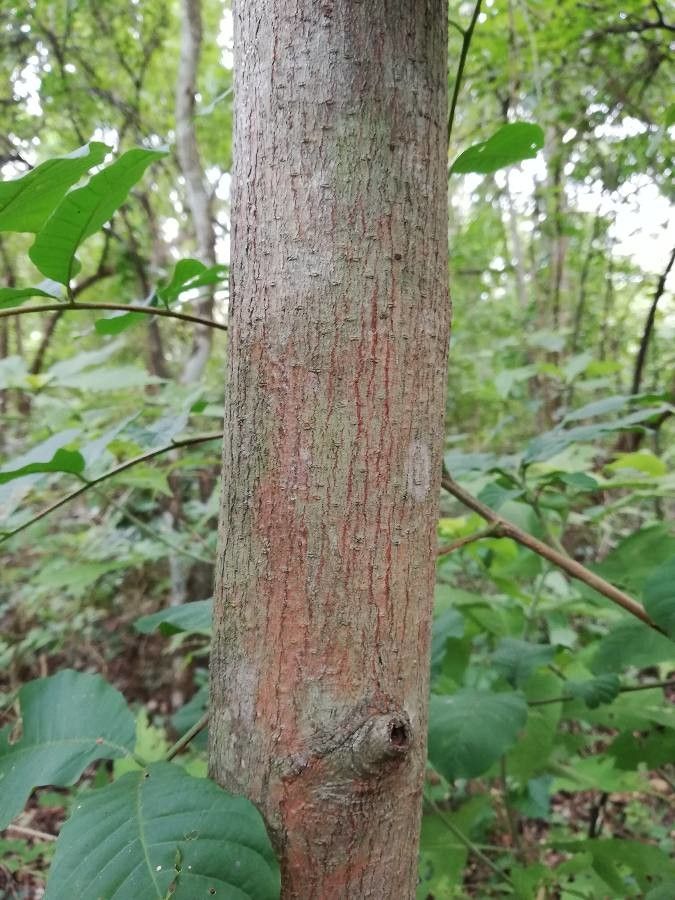
Oh, hello there! Pull up a chair and let’s chat about a plant that’s truly captured my heart: Sapranthus palanga. If you’re looking for a bit of exotic charm in your garden, with its unique, almost alien-looking blooms that often smell wonderfully sweet, you’ve found your match. And the joy of creating more of these beauties from cuttings? Well, that’s just pure gardening magic!
Now, I won’t lie to you. Sapranthus palanga can be a tad particular when it comes to propagation. It’s not quite a “stick it in the ground and forget it” kind of plant. But don’t let that deter you! With a little patience and the right approach, you too can enjoy the satisfaction of coaxing new life from your established specimens.
The Best Time to Start
For the highest chance of success with Sapranthus palanga, I always recommend aiming for late spring or early summer. This is when the plant is in its most vigorous growth phase. You’ll have plenty of healthy, new stems to choose from, and the warmer temperatures will really help those cuttings get a move on with rooting.
Supplies You’ll Need
Before we get our hands dirty, let’s gather our tools. Having everything ready makes the whole process so much smoother.
- Sharp Pruning Shears or a Grafting Knife: Clean cuts are crucial for healthy healing and rooting.
- Rooting Hormone: A good quality rooting powder or gel. I find the powder easiest to use, but gel works beautifully too.
- Well-Draining Potting Mix: A mix of perlite and peat moss (about 50/50) is excellent. Or, you can use a commercial seed-starting mix amended with extra perlite.
- Small Pots or Propagation Trays: Clean, empty pots with drainage holes are perfect. Small ones are great for cuttings.
- Plastic Bags or a Propagation Dome: To create a humid environment around your cuttings.
- Watering Can with a Fine Rose: For gentle watering.
- (Optional) Heat Mat: This can significantly speed up rooting, especially if your home is on the cooler side.
Propagation Methods
There are a couple of ways to go about this, but my go-to for Sapranthus palanga is stem cuttings. It’s reliable and gives you a great chance of success.
Stem Cuttings:
- Select Your Cuttings: Look for healthy, semi-hardwood stems. These are usually the ones that have grown this year but are starting to firm up a bit – not the super soft new growth, and not the old, woody stems. You want cuttings that are about 4-6 inches long.
- Make the Cut: Using your clean, sharp shears, take your cutting from the parent plant. Try to make the cut just below a leaf node (where a leaf attaches to the stem). This is often where rooting hormones are most active.
- Prepare the Cutting: Remove the lower leaves. You only want to leave a couple of leaves at the very top of the cutting. If the remaining leaves are quite large, you can even cut them in half horizontally. This reduces water loss through transpiration.
- Apply Rooting Hormone: Dip the cut end of the stem into your rooting hormone, tapping off any excess. Make sure the entire cut surface is coated, as this is where the roots will form.
- Pot it Up: Fill your small pots or trays with your well-draining potting mix. Gently water the mix so it’s evenly moist but not soggy.
- Plant the Cutting: Make a small hole in the potting mix with a pencil or your finger. Insert the cutting, ensuring the part with the rooting hormone is buried. Gently firm the soil around the base of the cutting.
- Create Humidity: Water lightly again to settle the soil. Then, cover the pot with a clear plastic bag, securing it around the rim with a rubber band, or place it under a propagation dome. This creates a mini-greenhouse effect, keeping humidity high.
The “Secret Sauce”
Here are a couple of little tricks I’ve learned over the years that can really make a difference:
- Wipe the Condensation: While humidity is key, you don’t want stagnant, wet conditions. Check under the plastic bag daily. If you see a lot of condensation, gently wipe it off. This helps prevent fungal issues.
- Bottom Heat is Your Friend: If you can spare it, placing your pots on a gentle heat mat (around 70-75°F or 21-24°C) really encourages root development. It mimics the warmth they’d feel in their natural environment during the growing season.
Aftercare & Troubleshooting
Once your cuttings are potted up, find them a spot with bright, indirect light. Avoid direct sunlight, which can scorch those delicate cuttings. Keep the potting mix consistently moist, like a wrung-out sponge – never dry, but never waterlogged.
You’ll know your cuttings are starting to root when you see new growth appearing from the top or, if you gently tug on the cutting, you feel resistance. This can take anywhere from four to eight weeks, sometimes longer, so patience is a virtue here!
The biggest challenge you might face is rot. This usually happens if the cuttings are kept too wet or the air circulation is poor. If you see a cutting turning black and mushy, sadly, it’s best to discard it to prevent any spread of disease. Ensure your potting mix is airy and you have good drainage.
A Encouraging Closing
Propagating Sapranthus palanga is a journey, not a race. There will be moments of doubt, but the reward of seeing those tiny roots emerge and a new plant unfurl its leaves is truly special. Don’t be discouraged if your first attempt isn’t perfect. Learn from it, adjust your approach, and try again. Happy propagating, and enjoy the magic of growing your own beautiful Sapranthus!
Resource:
https://identify.plantnet.org/k-world-flora/species/Sapranthus%20palanga%20R.E.Fr./data