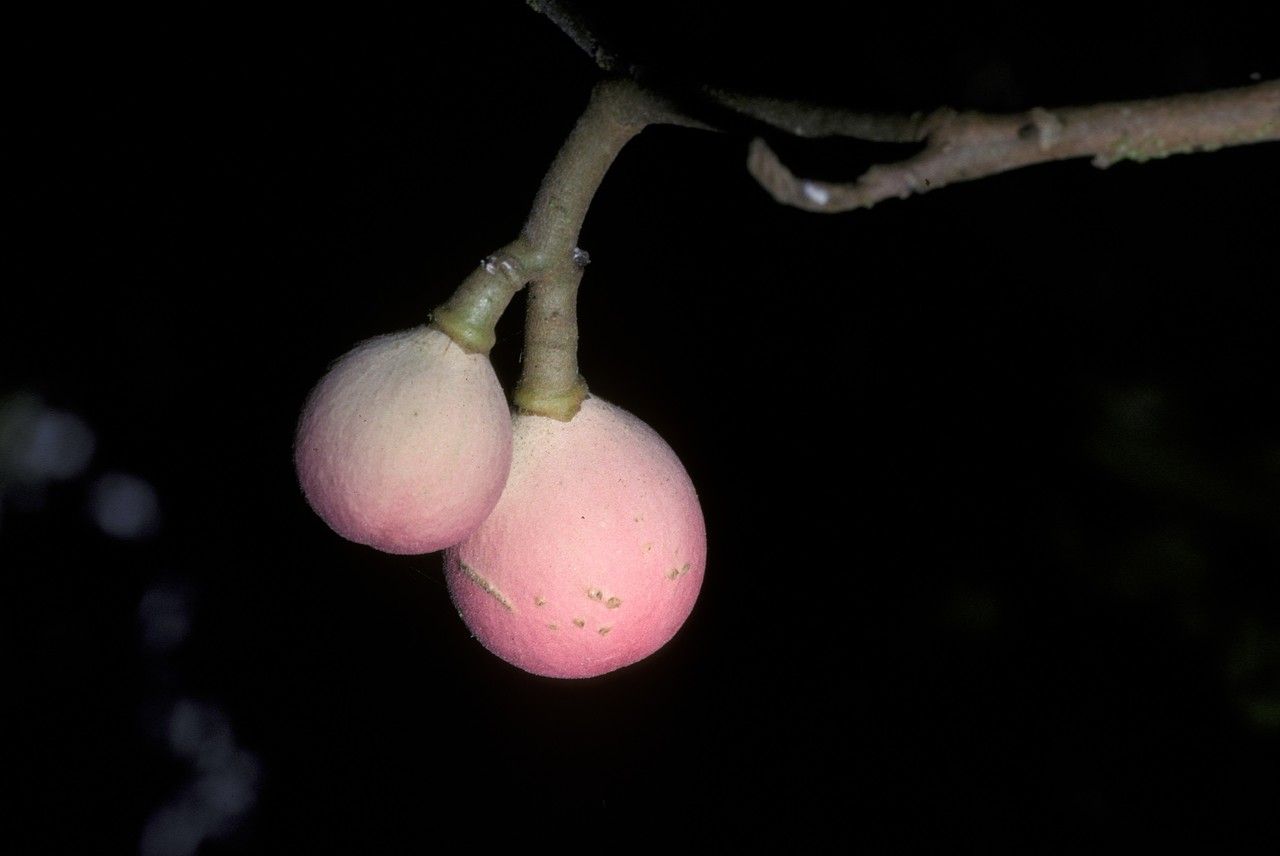
Oh, Aglaia lawii! I can practically smell those delicate, fragrant flowers just thinking about it. This wonderful plant, with its glossy leaves and those charming clusters of blooms that scent the air, is such a joy to have around. And the best part? You can easily bring that joy into more corners of your garden, or even share it with fellow plant lovers, by propagating it yourself.
This isn’t a notoriously tricky plant to get going from cuttings, thankfully. While every plant has its quirks, Aglaia lawii is generally quite forgiving. I’d say it’s a lovely choice for those dipping their toes into propagation, offering a good chance of success to boost your confidence.
The Best Time to Start
When it comes to Aglaia lawii, I find my best results come from taking cuttings in the late spring or early summer. This is when the plant is in its active growth phase, meaning the stems have plenty of energy to push out roots. Avoid taking cuttings from woody, old growth or from brand new, soft, floppy shoots. You’re looking for that happy medium: semi-hardwood stems that are firm but still a little pliable.
Supplies You’ll Need
Here’s what I like to have on hand when I’m ready to propagate:
- Sharp pruning shears or a clean, sharp knife: For making clean cuts.
- Rooting hormone (optional but recommended): A powder or gel can give your cuttings a helpful boost.
- Well-draining potting mix: I usually mix about 50% perlite or coarse sand with my regular potting soil. This is crucial for preventing rot.
- Small pots or trays: With drainage holes, of course!
- Plastic bags or a propagation dome: To create a humid environment.
- Water: For misting and, if you choose, water propagation.
- Clean containers: For water propagation if you go that route.
Propagation Methods
Two methods generally work very well for Aglaia lawii. I often use stem cuttings myself, but I know many friends who have great luck with water, too!
Stem Cuttings
This is my go-to. It’s straightforward and usually very effective.
- Select your stem: Find a healthy stem that’s about pencil-thick and has reached that semi-hardwood stage.
- Make the cut: Using your clean shears or knife, take a cutting that’s roughly 4-6 inches long. Make the cut just below a leaf node (where a leaf attaches to the stem).
- Prepare the cutting: Gently strip off the lower leaves, leaving just two or three at the very top. If you’re using rooting hormone, dip the cut end into it now.
- Plant the cutting: Fill your small pots with the well-draining mix. Make a small hole with your finger or a pencil, and insert the cut end of the stem. Firm the soil gently around it.
- Create humidity: Water the soil lightly. Then, cover the pot with a plastic bag (propping it up with a stick so it doesn’t touch the leaves) or place it under a propagation dome.
Water Propagation
If you’re a beginner and want to see the roots develop, this is a fun method!
- Take your cutting: Follow steps 1 and 2 above for preparing your stem cutting.
- Remove lower leaves: Just like with stem cuttings, ensure no leaves will be submerged in the water.
- Place in water: Put the cutting in a clean jar or glass filled with fresh water. Make sure the leaf nodes where you removed the leaves are submerged.
- Location, location, location: Place the container in a bright spot, but out of direct, harsh sunlight.
- Change the water: Change the water every few days to keep it fresh and prevent any bacterial growth. You’ll start to see those little white roots emerge in a few weeks!
The “Secret Sauce” (Pro Tips)
Here are a few tricks I’ve learned over the years that can really make a difference:
- Don’t let the leaves touch the water if you’re doing water propagation. Any leaf material sitting in the water will likely rot, and that can spread to the stem and kill your cutting before it even has a chance to root.
- Bottom heat is your friend! If you have a heat mat for seedlings, pop your pots on it. A little warmth from below can significantly speed up root development in cuttings. You don’t need it scorching hot, just gently warm.
- Don’t overcrowd your cuttings. Give each one enough space so air can circulate around them. This helps prevent fungal diseases from taking hold.
Aftercare & Troubleshooting
Once you see new leaf growth on your cuttings, that’s a good sign roots are forming! If you’ve used stem cuttings and want to check for roots, gently tug on the cutting. If it offers resistance, you likely have roots. You can then carefully transplant it into its own pot with your well-draining mix. Continue to keep the soil lightly moist and maintain that humid environment for a week or two more.
The most common issue you’ll face is rot. If a cutting turns black and mushy, it’s usually a sign of too much moisture and not enough air circulation. If you notice this, sadly, it’s usually best to discard it and try again. Sometimes, cuttings just don’t make it – that’s part of the gardening journey! Don’t get discouraged; learn from it and try again.
A Encouraging Closing
Propagating Aglaia lawii is such a rewarding experience. It’s a wonderful way to connect with your plants and multiply the beauty in your life. Be patient with the process – sometimes it takes a little longer than we expect. Enjoy the quiet anticipation, the small victories, and the sheer satisfaction of nurturing new life. Happy propagating!
Resource:
https://identify.plantnet.org/k-world-flora/species/Aglaia%20lawii%20(Wight)%20C.J.Saldanha/data