Hey there, fellow plant lovers!
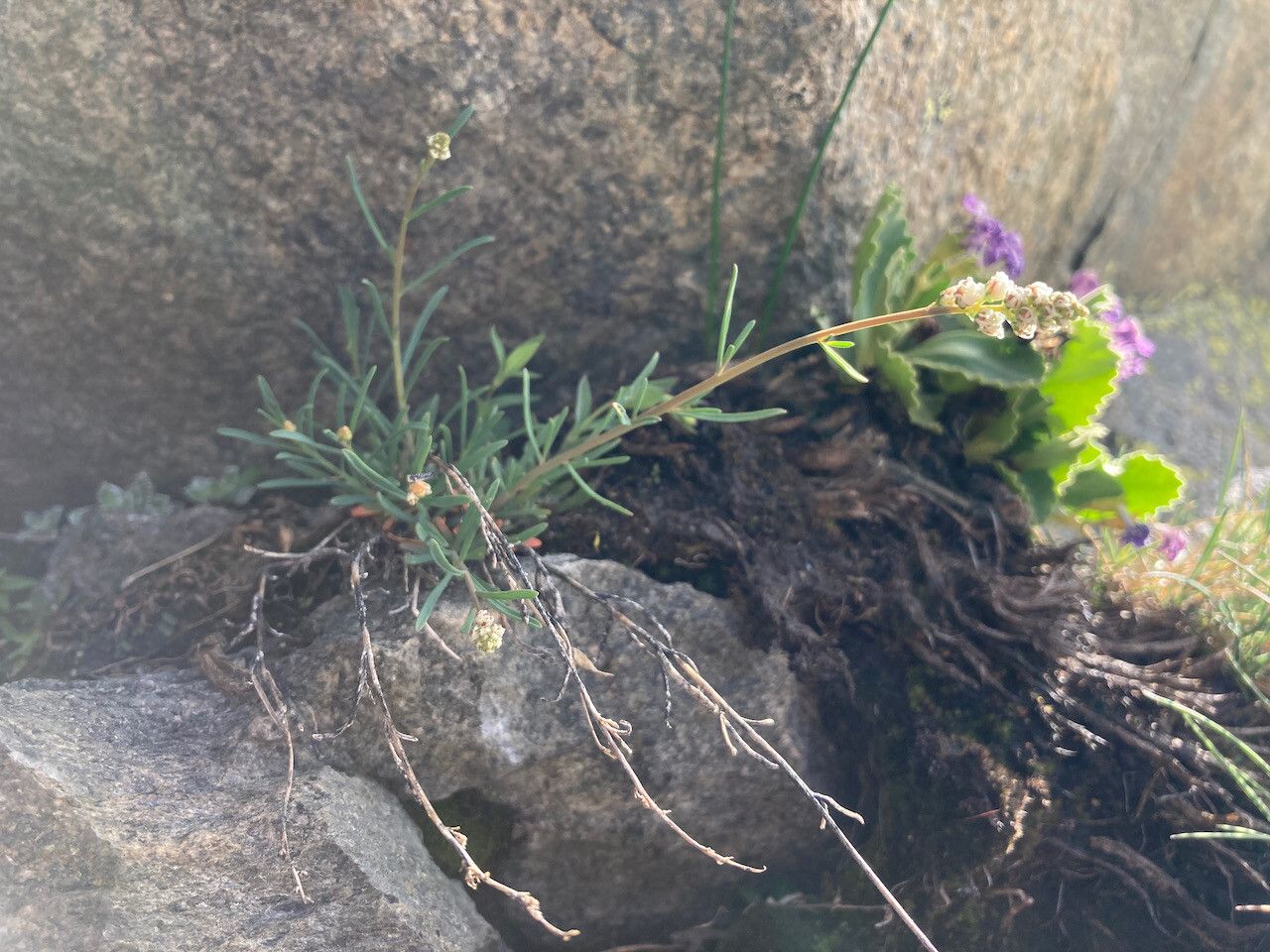
Let’s talk about a little gem, Reseda glauca. Often overlooked perhaps, but this Mediterranean native is a true charmer. Its delicate silvery-grey foliage has a gentle shimmer, and it produces these lovely, fragrant spikes of creamy white flowers that attract all sorts of beneficial insects. Growing more of this beauty from scratch is incredibly satisfying. If you’re just dipping your toes into the propagation world, Reseda glauca is a pretty friendly companion to start with. It’s not overly fussy, which is always a relief, isn’t it?
The Best Time to Start
For the highest success rate with Reseda glauca, I always reach for my secateurs in late spring or early summer. This is when the plant is actively growing, and the stems have a good bit of vitality. You want to catch it when it’s really pushing out new growth, full of promise.
Supplies You’ll Need
Here’s what I keep close at hand when I’m ready to get a batch of Reseda glauca going:
- Sharp pruning shears or a clean knife: For making nice, clean cuts.
- Rooting hormone (optional but helpful): For a little boost.
- A well-draining potting mix: I like a blend of seed starting mix and perlite or coarse sand. You want drainage, drainage, drainage!
- Small pots or trays: Clean ones are a must.
- Plastic bags or a misting bottle: To keep humidity up.
- Labels: Don’t forget to label your babies!
Propagation Methods
Reseda glauca is quite amenable to a couple of methods, but I find stem cuttings to be the most reliable.
Stem Cuttings:
- Take your cuttings: In late spring or early summer, select healthy, non-flowering stems. Using your clean secateurs, take cuttings that are about 4-6 inches long. Make a clean cut just below a leaf node (where a leaf attaches to the stem).
- Prepare the cuttings: Gently remove the lower leaves, leaving just a couple at the very top. This prevents them from rotting once you plant them. If you’re using rooting hormone, dip the cut end into it now.
- Plant your cuttings: Fill your small pots with the well-draining potting mix. Make a small hole in the center with your finger or a pencil. Insert the cut end of your Reseda glauca cutting into the hole, and gently firm the soil around it.
- Water and cover: Water the soil thoroughly but gently. You want it moist, not soggy. To create a humid environment, you can cover the pot with a clear plastic bag. Make sure the bag doesn’t touch the leaves. Alternatively, a good misting several times a day can also work.
The “Secret Sauce” (Pro Tips)
Here are a couple of things I’ve learned over the years that can really make a difference:
- Don’t overcrowd: Give your cuttings a little breathing room in their pots. Too many packed together can encourage fungal issues.
- Bottom heat is your friend: If you have an old heat mat that you use for seedlings, popping your Reseda glauca cuttings on it can significantly speed up root development. It gives them that little extra encouragement from below.
- Patience is key with watering: It’s easy to get a little overzealous with watering when you’re excited. Let the surface of the soil dry out slightly between waterings. This teaches the developing roots to seek out moisture.
Aftercare & Troubleshooting
Once your cuttings have been in their pots for a few weeks, give them a gentle tug. If you feel resistance, congratulations! Roots have formed. At this point, you can remove the plastic bag gradually, allowing them to acclimate to your home’s humidity. Continue to water them when the top inch of soil feels dry.
The main thing to watch out for is rot. If your cuttings start to look limp and mushy, or develop dark spots, it’s usually a sign of overwatering or poor drainage. If this happens, try to trim away any affected parts and repot into fresh, dry soil. Sometimes, sadly, they just don’t take, and that’s okay! Gardening is all about learning from every bit, success or not.
So there you have it! Don’t be afraid to dive in and give it a go. Watching a tiny cutting transform into a full, fragrant plant is one of gardening’s greatest joys. Be patient with your little Reseda glauca seedlings, and enjoy the process. Happy propagating!
Resource:
https://identify.plantnet.org/k-world-flora/species/Reseda%20glauca%20L./data