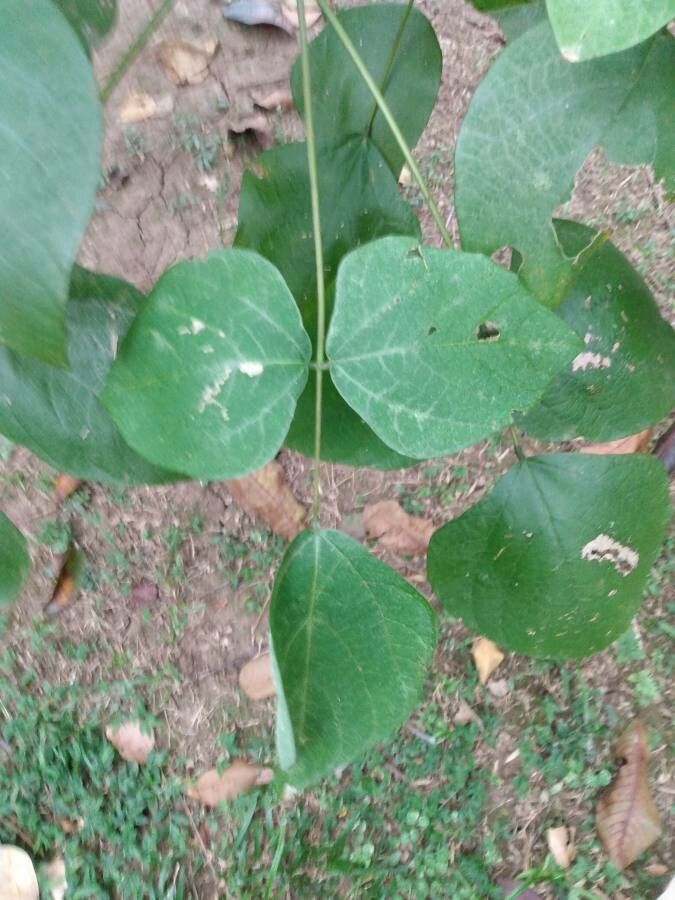
Oh, Erythrina similis! What a beauty. If you’re anything like me, you’ve probably been captivated by its vibrant coral-red blooms and the way it just seems to signal “summer happiness.” I remember my first Erythrina; it was a gift, and I was immediately smitten. Propagating these treasures is incredibly satisfying, like sharing a little bit of that joy with yourself (and maybe a friend or two!). While I wouldn’t call it a beginner’s “super easy” plant to propagate, with a little know-how and patience, you’ll be well on your way to success.
The Best Time to Start
For Erythrina similis, the sweet spot for propagation is definitely late spring or early summer. This is when the plant is actively growing and has plenty of energy to put into developing new roots. You’re looking for stems that are firm, not too young and floppy, but also not woody and old. Think of it like a sturdy, but not ancient, wine cork – that’s the kind of semi-hardwood you want.
Supplies You’ll Need
Here’s what I always have on hand when I’m ready to propagate:
- Sharp, clean pruning shears or a good knife: This is crucial for making clean cuts to prevent disease.
- Rooting hormone (optional but recommended): A powder or gel can give your cuttings a real boost.
- Potting mix: I like a well-draining mix. A blend of peat moss or coco coir with perlite or coarse sand works wonderfully.
- Small pots or rooting trays: Clean pots are a must!
- Plastic bags or a propagator: To create a humid environment.
- Watering can with a fine rose: For gentle watering.
- Labels and a permanent marker: So you don’t forget what you’ve planted!
Propagation Methods
Erythrina similis is most commonly and successfully propagated from stem cuttings.
Stem Cuttings:
- Select your cutting: As I mentioned, look for healthy, semi-hardwood stems. Aim for cuttings that are about 4-6 inches long.
- Make the cut: Using your clean shears or knife, make a cut just below a leaf node (the bump where a leaf attaches to the stem). This is where the magic happens for root development.
- Remove lower leaves: Strip off the leaves from the bottom half of your cutting. You can leave one or two leaves at the top to help with photosynthesis, but don’t let them get too crowded.
- Apply rooting hormone (if using): Dip the cut end into your rooting hormone, tapping off any excess.
- Insert into potting mix: Make a hole in your pre-moistened potting mix with your finger or a pencil. Gently insert the cutting, ensuring the lower leaf nodes are buried. Firm the soil around it.
- Water and cover: Water gently. Then, cover the pot with a clear plastic bag or place it in a propagator. This creates a mini-greenhouse to keep the humidity high. You can use stakes to keep the bag from touching the leaves.
The “Secret Sauce” (Pro Tips)
- Don’t let those leaves touch the water! If you’re doing a variation where you’ve dipped the bottom in water to encourage root nubs, make absolutely sure the leaves stay above the waterline. Any submerged foliage becomes a breeding ground for rot. Clean water and frequent changes are key if you go this route.
- Bottom heat is your friend. If you have a greenhouse or can get one of those seedling heat mats, placing your pots on it can dramatically speed up rooting. It mimics the warmth of the soil in its natural growing season and really gives those roots a kickstart.
- Think about airflow. While humidity is essential, stagnant air can lead to fungal issues. If your cuttings are in a bagged pot, every few days, lift the bag and give them a good 10-15 minutes of fresh air. It’s a simple step that makes a big difference.
Aftercare & Troubleshooting
Once your cuttings have rooted (you can gently tug on them after a few weeks; resistance means roots!), it’s time to give them a little more space.
- Acclimatize gradually: If they’ve been in a plastic bag, slowly start to introduce them to drier air by opening the bag for longer periods each day over a week.
- Watering: Water when the top inch of soil feels dry.
- Light: Give them bright, indirect light. Avoid direct sun, which can scorch their new, tender leaves.
Now, for the tough stuff: troubleshooting. The most common culprit for failure is rot. If your cutting is mushy at the base, smells funky, or just looks uniformly dead and dark – that’s rot. This is usually due to overwatering, poor drainage, or not enough air circulation. If you see signs of rot, unfortunately, it’s usually best to toss that cutting. Prevention is key! A well-draining mix, careful watering, and good airflow will save you a lot of heartache.
A Encouraging Closing
Propagating Erythrina similis is a journey, and like any good garden project, it requires a bit of patience. Don’t be discouraged if your first attempt isn’t a runaway success. Each cutting is a learning experience. Enjoy the process of nurturing these tiny green shoots and watch them grow into magnificent plants. Happy propagating!
Resource:
https://identify.plantnet.org/k-world-flora/species/Erythrina%20similis%20Krukoff/data