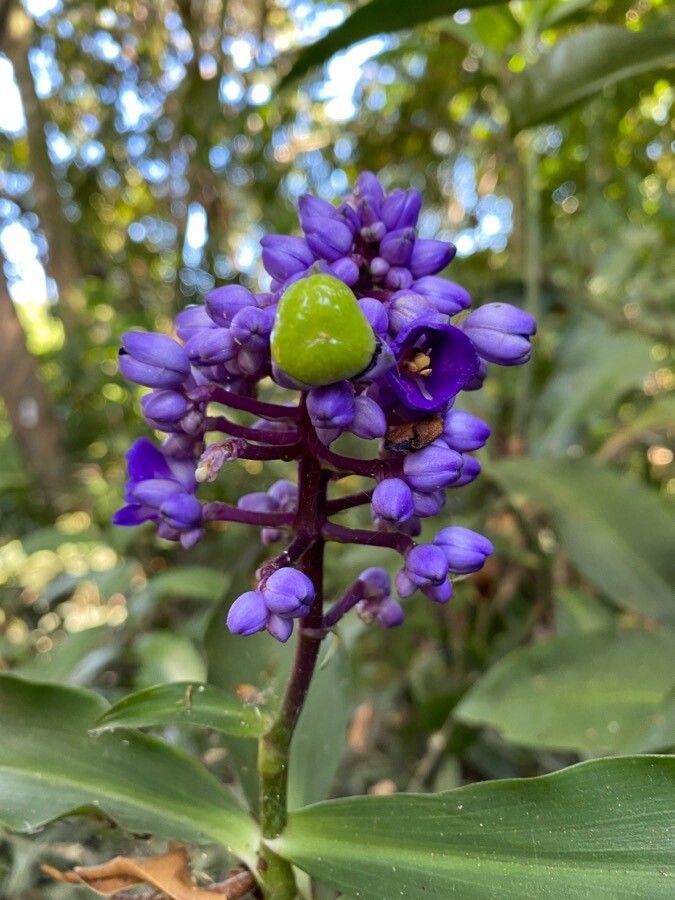
Hello my fellow plant enthusiasts! Today, we’re diving into the wonderful world of propagating a truly spectacular plant: Dichorisandra procera, often called the Blue Ginger or Brazilian Walking Iris. If you’re looking for a plant that brings a touch of the tropics with its dramatic, iridescent blue flowers and striking foliage, you’ve found it. And the best part? You can easily create more of these beauties for yourself or to share with friends.
Why Propagate Blue Ginger is So Rewarding
For me, there’s a special joy in watching a tiny cutting transform into a thriving plant. It’s like magic, but it’s grounded in simple, repeatable steps. Propagating Dichorisandra procera is a fantastic way to build your plant collection without spending a fortune, and it’s quite forgiving, making it a good choice even if you’re new to plant propagation.
When is the Best Time to Start?
The absolute best time to propagate Dichorisandra procera is during its active growing season. Think spring and summer. This is when the plant has plenty of energy to put into developing new roots and shoots. You can also take cuttings in early fall, but growth might be a little slower. Avoid propagating when the plant is dormant or stressed.
Supplies You’ll Need
Gathering your supplies beforehand makes the whole process much smoother. Here’s what I usually have on hand:
- Sharp Pruning Shears or Scissors: Clean cuts are essential for healthy healing.
- A Good Potting Mix: I prefer a well-draining mix. A blend of peat moss, perlite, and coco coir works wonders. You can also use a specially formulated seed starting mix.
- Small Pots or Seedling Trays: These are perfect for your new cuttings. Make sure they have drainage holes!
- Rooting Hormone (Optional but Recommended): This really gives your cuttings a boost. Look for a powder or gel specifically for rooting.
- Watering Can or Spray Bottle: Gentle watering is key.
- Clear Plastic Bag or Dome: To create a mini-greenhouse environment.
- Patience! This is the most important tool!
Propagation: Where the Magic Happens!
Dichorisandra procera is quite versatile, and you can propagate it using a couple of straightforward methods.
1. Stem Cuttings: The Classic Approach
This is my go-to method for Blue Ginger.
- Select a healthy stem: Look for a mature stem that is not flowering. Cut a section that is about 4-6 inches long.
- Make the cut: Use your sharp pruning shears to make a clean cut just below a leaf node (where a leaf attaches to the stem).
- Prepare the cutting: Gently remove the lower leaves, leaving only the top two or three. This prevents them from rotting in the soil or water.
- Apply rooting hormone (if using): Dip the cut end into your rooting hormone, tapping off any excess.
- Plant your cutting: Make a hole in your potting mix with your finger or a pencil. Insert the cut end of the stem into the hole and gently firm the soil around it.
- Water gently: Water the soil until it’s evenly moist but not soggy.
- Create a humid environment: Cover the pot with a clear plastic bag or place it in a seedling tray with a dome. This helps retain moisture. Place it in a warm spot with bright, indirect light.
2. Water Propagation: Watching Roots Appear
This method is incredibly satisfying as you get to see the roots develop.
- Take stem cuttings: Follow the same steps as above for selecting and preparing your stem cuttings, but this time, you won’t use rooting hormone.
- Place in water: Put the cuttings in a clean jar or vase filled with fresh water. Make sure no leaves are submerged below the waterline.
- Change water regularly: Change the water every 2-3 days to keep it fresh and prevent bacteria.
- Provide bright, indirect light: Place the jar in a location that receives plenty of bright, indirect light.
- Wait for roots: Roots will typically appear within a few weeks. Once the roots are about 1-2 inches long, you can pot them up into your well-draining potting mix.
The “Secret Sauce”: My Insider Tips
After years of tucking cuttings into soil and watching them grow (or sometimes not!), I’ve learned a few little tricks.
- Don’t let those leaves touch the water! Seriously, when water propagating, any leaf that dips into the water is a prime candidate for rotting, which can then spread to the whole cutting. Pinch them off if you have to.
- Bottom heat is your friend! If you’re struggling with cuttings taking too long or failing, try placing your pots on a seedling heat mat. This gentle warmth from below encourages root development and significantly speeds up the process. You’ll be amazed at the difference.
- Be ruthless with yourself, but gentle with the plant. Sometimes, you have to accept that not every cutting will make it. Don’t get discouraged! It’s part of the learning curve. Just snip off any cuttings that show signs of rot or wilting and try again with fresh ones.
Aftercare & Troubleshooting: Nurturing Your New Sprouts
Once you see those first signs of new growth or roots have appeared, it’s time for attentive care.
- For potted cuttings: Continue to keep the soil evenly moist and the humidity high for the first few weeks. Once your new plant is actively growing and looks robust, you can gradually introduce it to slightly less humidity.
- For water-propagated cuttings: When planting them into soil, treat them as you would a young seedling. Keep the soil moist and the light bright but indirect.
- Common problems: The biggest enemy here is overwatering and poor drainage, which leads to root rot. You’ll see the stem turn mushy and black, or the leaves will yellow and wilt despite the soil being wet. If you spot this, act fast. Try to salvage any healthy parts and repot them in fresh, dry soil. Another issue can be a lack of humidity, causing the leaves to crisp and brown. Increase the humidity by covering them or misting more often.
Keep Growing!
Propagating Dichorisandra procera is a rewarding journey, and with these steps and a little bit of patience, you’ll be creating your own beautiful Blue Ginger plants in no time. Enjoy the process, celebrate your successes, and don’t be afraid to get your hands dirty! Happy gardening!
Resource:
https://identify.plantnet.org/k-world-flora/species/Dichorisandra%20procera%20Mart./data