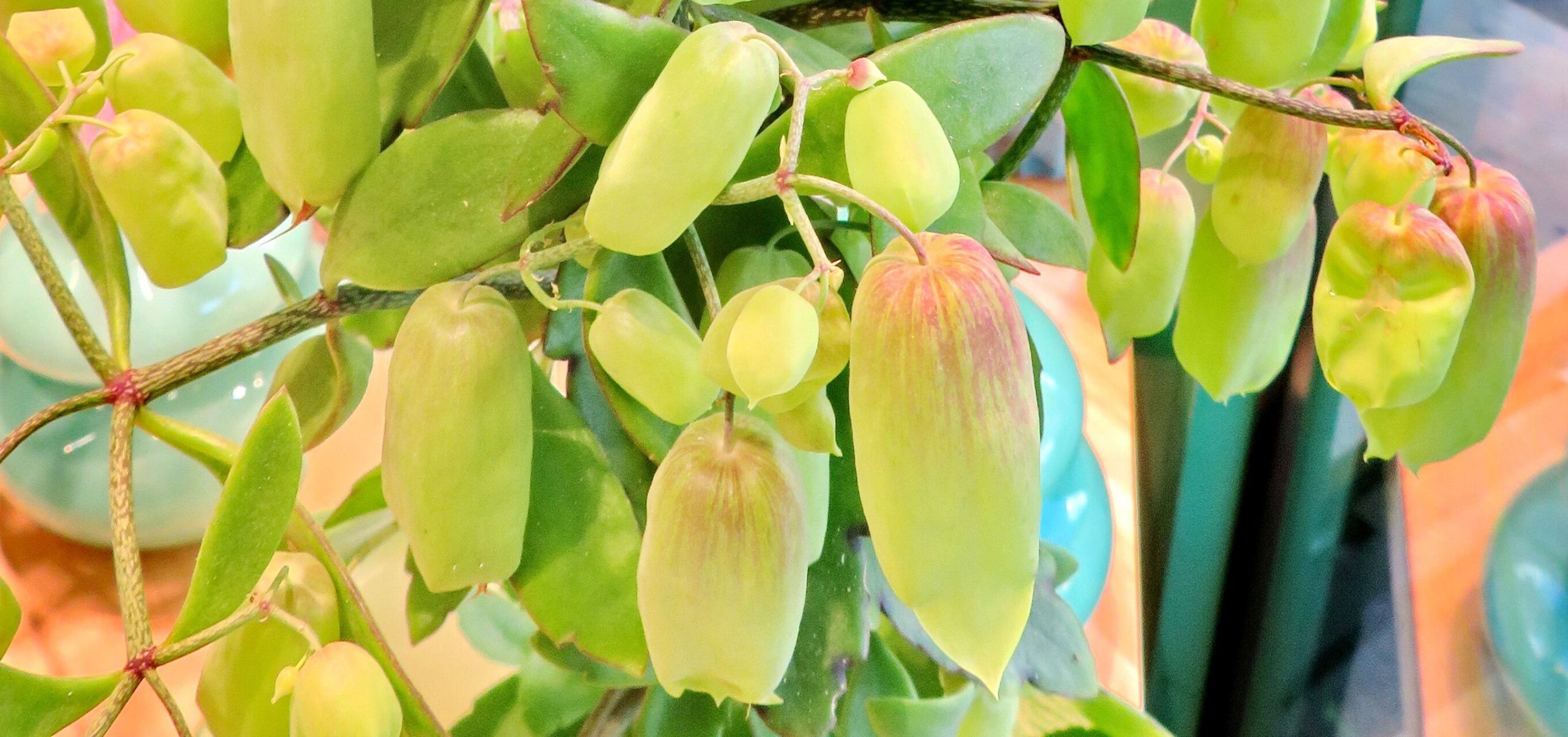
Hello, fellow plant lovers! Today, I want to chat about a plant that’s a bit of a showstopper, and even better, one that’s wonderfully easy to multiply: Kalanchoe pinnata. You might know it by its common names like “Mother of Thousands” or “Miracle Leaf.” Its unique, often serrated leaves are an absolute delight, and the little plantlets that sometimes sprout along the edges… well, they just keep you smiling.
And the best part? Propagating it is a breeze. If you’re just starting out your gardening journey, this is a fantastic plant to get your hands messy with. You’ll feel like a seasoned pro in no time!
When to Get Your Hands Dirty
Spring is your golden ticket for propagating Kalanchoe pinnata. Think of it as giving your cuttings a warm hug and plenty of good light as they’re getting established. Late spring into early summer works beautifully too. You want to start when the parent plant is actively growing, not when it’s stressed or dormant.
What You’ll Want to Gather
Before we dive in, let’s make sure you have your gardening toolkit ready.
- Sharp Pruning Shears or a Clean Knife: For those clean cuts that help prevent disease.
- Well-Draining Potting Mix for Cacti and Succulents: This is crucial! We need to avoid soggy roots. A mix of potting soil, perlite, and coarse sand is your friend.
- Clean Pots or Seed Trays: Small ones are perfect for cuttings. Make sure they have drainage holes.
- Rooting Hormone (Optional but Helpful): A little sprinkle can speed things up and boost your success.
- Gloves (Optional): Some people don’t like how the sap feels.
- A Spray Bottle: For gentle Misting.
Bringing New Life: Propagation Methods
Kalanchoe pinnata is generous; it offers a couple of super simple ways to grow more.
Stem Cuttings: The Classic
This is my go-to. Take a healthy stem from your mature plant. Using your sharp pruning shears or knife, cut a section that is about 3-4 inches long. Ideally, it should have at least two to three leaf nodes.
Once you have your cutting, let it sit for a day or two in a dry, airy spot. This “calluses over” the cut end, which prevents rot. It’s a little like letting a scab form before you get it wet.
After callousing, dip the cut end into rooting hormone (if you’re using it). Then, plant the cutting about an inch deep into your pre-moistened, well-draining potting mix. Give it a very light watering, or better yet, just mist the soil surface. Place the pot in a bright spot, but avoid direct, scorching sunlight in the beginning.
Leaf Cuttings: Nature’s Surprise
This is where the “Mother of Thousands” really lives up to its name. You can take a healthy, mature leaf. Gently twist or cut it off from the parent plant.
Lay the leaf flat on top of your well-draining potting mix, or barely press the cut end into the soil. You can even do this on a tray lined with damp paper towels initially to see your efforts. Again, bright, indirect light is key. The magic happens when tiny plantlets, with their own little roots, begin to form along the edges of the leaf or at the petiole (where it was attached). This takes patience, so don’t get discouraged if it’s not immediate! Once those plantlets have formed their own roots, you can carefully separate them and pot them up.
The “Secret Sauce” from My Garden
Over the years in my greenhouse, I’ve picked up a few tricks that really make a difference.
- Don’t Drown Them in Water! I know it’s tempting to water heavily, but overwatering is the fastest way to invite rot in your cuttings. A light misting or just damp soil is all they need until you see active growth. Think “thirsty,” not “drowning.”
- A Little Warmth Goes a Long Way. Placing your pots on a heat mat designed for seedlings can truly speed up root development, especially if your home is on the cooler side. The gentle warmth from below encourages those roots to stretch out and explore.
- Patience is Truly a Virtue. Sometimes, the plantlets from leaf cuttings take weeks. Don’t rush the process. Nature does its best work on its own timeline. Just make sure they have consistent, albeit gentle, moisture and good light.
Aftercare and When Things Go Wrong
Once you see those first tiny roots breaking through the drainage holes, or new leaves emerging, you know your cutting is happy and has taken hold! You can now transition to a more regular watering schedule, allowing the soil to dry out slightly between waterings. Continue to provide bright, indirect light.
Now, about troubleshooting. The most common issue is rot. If your cutting looks mushy, turns black, or simply wilts without any sign of roots, it’s likely due to too much moisture. If you catch it early, you can try to salvage a healthy bit higher up the stem, let it callus, and try again. Sometimes, it’s just a learning experience!
Go Forth and Propagate!
Seeing a new plant emerge from a simple leaf or stem cutting is truly one of gardening’s greatest joys. It’s a testament to the resilience and generosity of nature. Be patient with your new little ones, offer consistent care, and before you know it, you’ll have a whole collection of these beautiful Kalanchoe pinnata. Happy growing!
Resource:
https://identify.plantnet.org/k-world-flora/species/Kalanchoe%20pinnata%20(Lam.)%20Pers./data